by Moe | Dec 19, 2016 | Alchemy
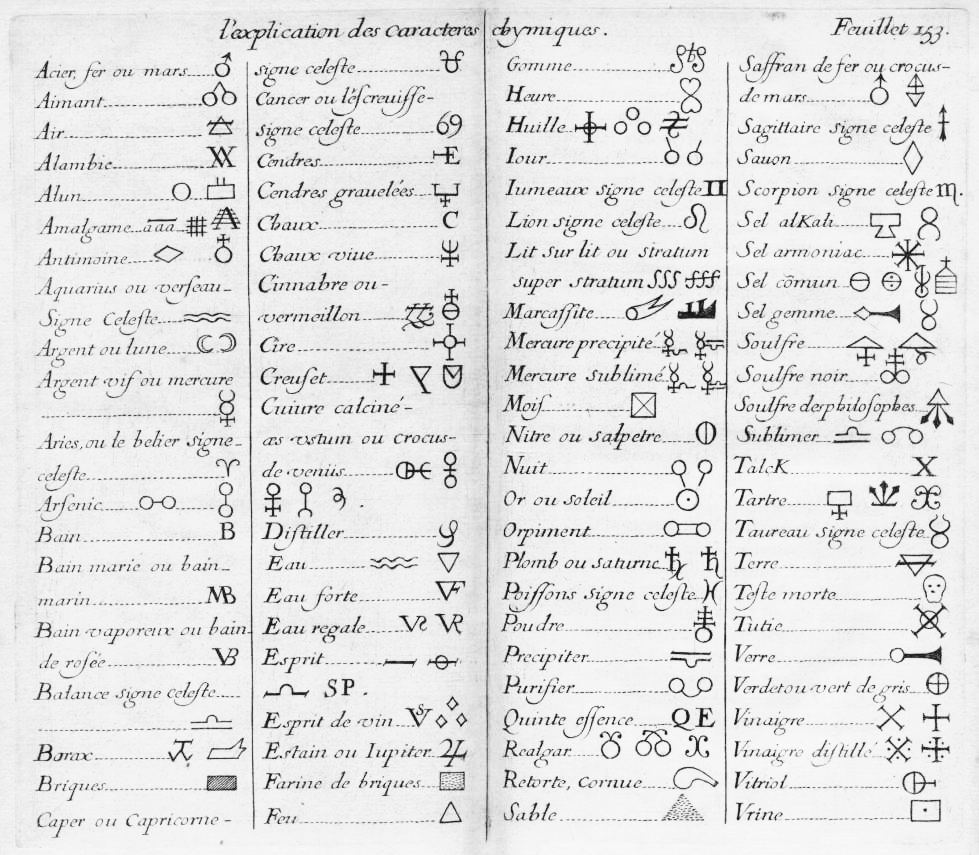
Nicasius le Febure, a.k.a. Nicolas le Febure or Nicasius le Fevre or Nicolas le Fèvre (1615 – 1669), was a French chemist and alchemist who was appointed to positions by both French and English royalty.
These images of alchemical and chemical symbols is from the Traité de la Chymie: A Compendious Body of Chymistry: Wherein is contained whatsoever is necessary for the attaining to the curious knowledge of this Art; Comprehending in general the whole practice thereof: and teaching the most exact preparation of Animals, Vegetables and Minerals, so as to preserve their essential Vertues. Laid open in two Books, and dedicated to the use of all Apothecaries, &c. (2 volumes, 1664 – English translation).
Moe is the founder of GnosticWarrior.com. He is a father, husband, author, martial arts black belt, and an expert in Gnosticism, the occult, and esotericism.
by Moe | Dec 16, 2016 | Gnosis
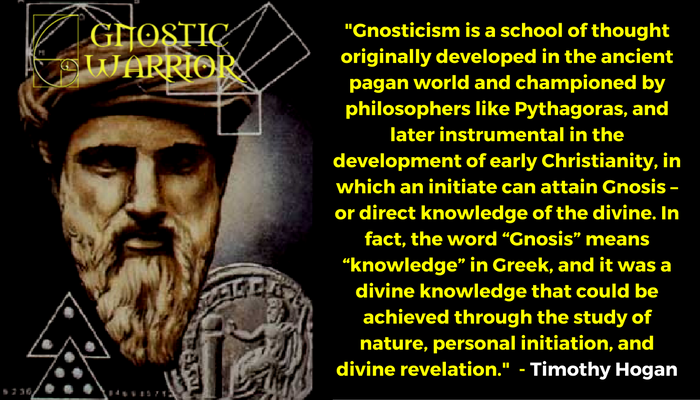
“Gnosticism is a school of thought originally developed in the ancient pagan world and championed by philosophers like Pythagoras, and later instrumental in the development of early Christianity, in which an initiate can attain a Gnosis – or direct knowledge of the divine. In fact, the word “Gnosis” means “knowledge” in Greek, and it was a divine knowledge that could be achieved through the study of nature, personal initiation, and divine revelation. (more…)
Moe is the founder of GnosticWarrior.com. He is a father, husband, author, martial arts black belt, and an expert in Gnosticism, the occult, and esotericism.
by Moe | Dec 16, 2016 | Quotes
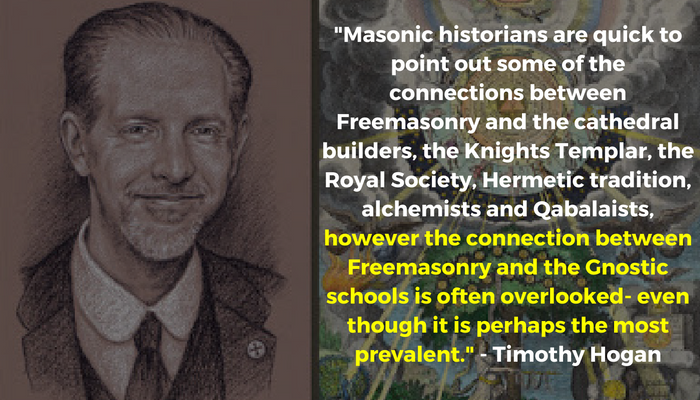
“Masonic historians are quick to point out some of the connections between Freemasonry and the cathedral builders, the Knights Templar, the Royal Society, Hermetic tradition, alchemists and Qabalaists, however the connection between Freemasonry and the Gnostic schools is often overlooked- even though it is perhaps the most prevalent.” – Timothy Hogan
Moe is the founder of GnosticWarrior.com. He is a father, husband, author, martial arts black belt, and an expert in Gnosticism, the occult, and esotericism.
by Moe | Dec 13, 2016 | Gnosis
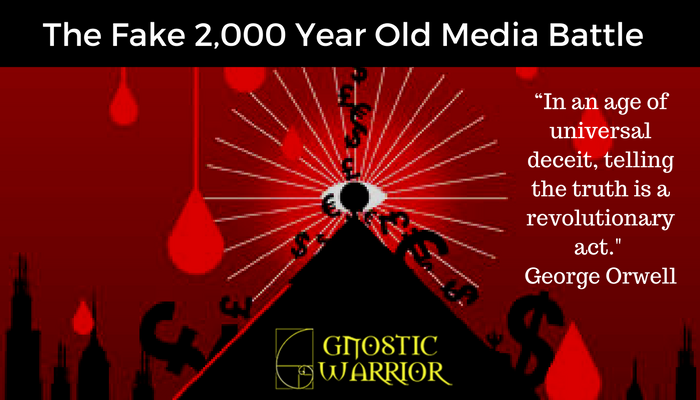
“In an age of universal deceit, telling the truth is a revolutionary act.” – George Orwell
When I look at the current state of media madness to what has been labeled fake media, it takes me back over 2,000 years in history to the original information battle that was waged between the Catholic Church and the various Gnostics sects of the day. The Church are who we can call the first leaders of a global mainstream media, and the Gnostics would be the true originators of alternative media. (more…)
Moe is the founder of GnosticWarrior.com. He is a father, husband, author, martial arts black belt, and an expert in Gnosticism, the occult, and esotericism.
by Moe | Dec 13, 2016 | Quotes
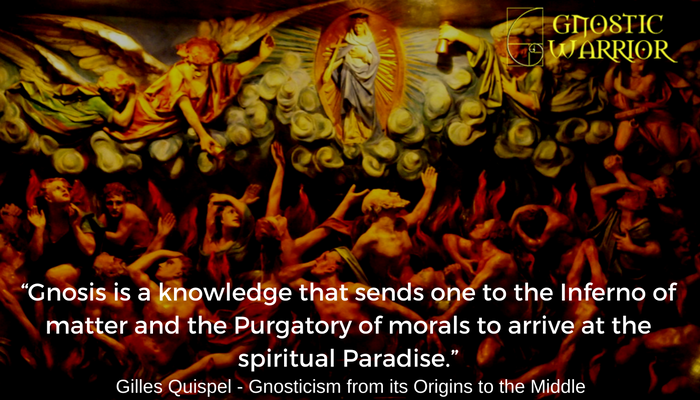
“Gnosis is a knowledge that sends one to the Inferno of matter and the Purgatory of morals to arrive at the spiritual Paradise.” – Gilles Quispel – Gnosticism from its Origins to the Middle Ages
Moe is the founder of GnosticWarrior.com. He is a father, husband, author, martial arts black belt, and an expert in Gnosticism, the occult, and esotericism.