No Results Found
The page you requested could not be found. Try refining your search, or use the navigation above to locate the post.

Located on the Eastern side of the island Crete in Greece near the port of Saint Nicholas (Agios Nikolaos or Aghios Nikolaos), is the quaint city Elounda (Greek: Ελούντα, romanized: Elúnda, Elunda, Elunta) situated around a beautiful deep blue lake that is a hundred feet deep, and more than a quarter of a mile diameter in what looks like the crater of an old volcano. Not many people know that it was once known as one of Greece’s strongest and most famous ancient towns.

Full of ruins of great age, this is a place where Biblical prophets and the first eminent Freemasons such as Dadleus once walked amongst the old stones now mixed in with modern villas, attractions, and quaint eateries that are some of the most esteemed in all of Greece. The importance of this city is relayed to us in Greek mythology with the story of Tyros or Tyro who was the Goddess-mother of the Tyrians (Tyrrhenians or Tyrsenians) whose father was named Cretheus (Crete) along with Sidero (Sidon), and Eolus, who are credited as the founders of cities in Hellas.
Buried beneath the modern town and mythology, you will find that this location as a hidden history and like many other Cretan cities, it has been known by a plethora of names over the last two thousand years. I have found that it was known as the ancient city of Goulas but was also spelled Olous, Oloundas, and Eloundas. These names reconcile with the mythology of Tyros. Digging further, I discovered that this same city may have also been called Lyctus, Lyttos, or Lato depending on the writer and time.
These cities were said by many historians to have a wooden statue of Britomartis carved by the famous Knossian Mason, Daedalus. The best authorities on the wooden statue of Britomartis are Strabo and Pausanias. Strabo, in his Geography, said, “Lyktos (Lyctus) [in Krete] . . . the seaport is Kherronesos (Cherronesus), as it is called, where is the temple of Britomartis.” Pausanias, in the Description of Greece, mentions a wooden statue of Britomartis at OIus in Crete, along with a wooden Athena at Knossos.
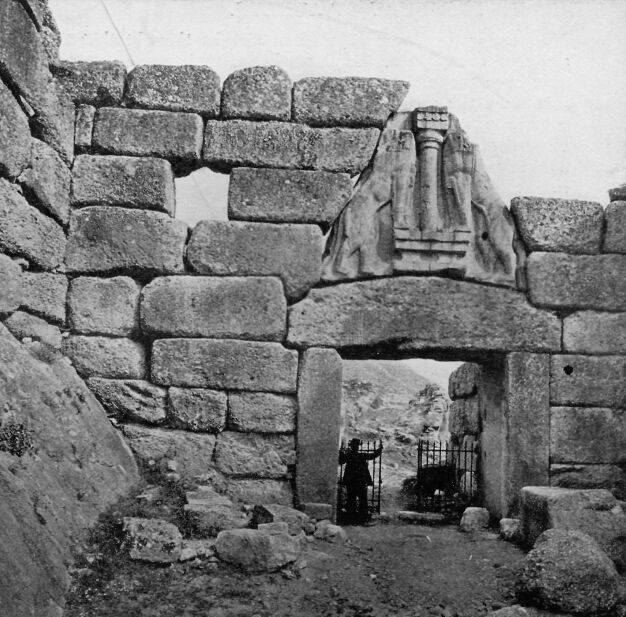
The history I speak of can be found all over the ancient peaks of Elounda are ancient walls built of massive stones of the past, some well-preserved, others crumbling into the dust of time, as the feral olive trees of Abraham and countless wildflowers dot the landscape. The biblical and Masonic history of this town along with its association with Lato and Tyre as it is mentioned by many authors as “the great city of Goulas (Lato), dated to the prehistoric period and a massive stone entrance likened to the Lion Gate at Mycenae.” (1)
The people of Goulas (Olous, Oloundas, Eloundas) are sometimes referred to in literature as the Olotians or Oloutians and there was also a sanctuary here to Zeus where an inscription was found showing a decree inviting Knossos to arbitrate between Lato and Olous was set up”, and also a decree in honor of a physician from the island of Kasos, who had helped the Olontians in time of plague.
The English admiral who worked for the Royal Navy, Thomas Abel Brimage Spratt (11 May 1811 – 12 March 1888), associates Goulas with Lato who was in league with Pergamon in his work “, Travels in Crete”, published in 1865, Spratt said that he located the remains of the ancient city on the hill of Goulas, but wrongly identified them as the remains of Olous or Oleros. The archaeologists F. Halbherr, L. Mariani and A. Taramelli, visited the site and identified it as ancient Lato. As one of the hundred cities of Crete, Lato had eventually formed a league with Rhodes, Teos, and King Eumenes of Pergamon and participated in the League of the Cretan cities who all shared the same laws.
One of these names you will notice as being some of the 7 churches such as I have written before like the ancient Cretan city of Pergamon (Pergamum) which is first mentioned in history by Xenophon, and it becomes the center of importance when a Cretan King and friend of the Romans named Attalus (B.C. 241-197), and his son Eumenes (B.C. 196-159) had ruled over the city, schools, and church there. Pliny had called it, “longe clarissimum Asiae Pergamum.” Also, the place wrote about by Saint John in the Book of Revelation as the original uncorrupted church of Christ and one of the seven churches that later became the seat of Antichrist or Throne of Satan.
According to the Annual of the British School at Athens, “It may safely be said that of no prehistoric city on Hellenic soil are such extensive remains extant above ground as of the Cretan Goulas. The walls, indeed, are not so massive as those of Tiryns, there is no single monument to fix the attention like the Lions’ Gate at Mycenae, nor has excavation as yet done anything to add to what meets the eye on the surface of the earth. But for the mass of primeval ruins, the still-standing remains of individual dwelling-houses, the number of distinct quarters within the walls and the area they occupy, Goulas is without a rival. Its site, moreover, with its twin citadel peaks—the northern one looking down over a thousand feet sheer to the valley below—is more commanding than that of any sister city.” (2)
The American Journal of Archaeology, Volume 2; Volume 9 describes the excavations at Lato (Olous, Goulas, Oulas) in 1899-1900 where they found the temple of Zeus “at the north end a broad flight of steps led to the prytaneum, consisting of an inner room with a bench and altar, and an outer chamber which probably contained the sacred fire.” Researchers also discovered an important Biblical inscription is a treaty of the third century, between Gortyna and Lato, providing for a cessation of hostilities and the legal settlement of future disputes.
The author details his own observations of the massive Limestone Masonry found here was created with extraordinary difficulty resembling the Sixth or Mycenaean City of Troy. He had written;
“My own observations of the site of Goulas have been the result of three successive visits in 1894 and the two following years, and on each occasion, I was able to spend several days in exploring this almost inexhaustible maze of ruins. The principal discovery made by me on my first visit was the existence, in addition to the citadel height to the north mentioned by Spratt, of a second Akropolis to the South of the intervening hollow, and on the summit the remains of a very interesting building with a megaton recalling some of those of the Sixth or Mycenaean City of Troy.
In my next visit (1895), I was accompanied by Mr. J. L. Myres, and in the general plan opposite p. 194, which gives the first detailed view of Goulas as a whole, he has embodied the result of our joint labors. It must here be said that, from the vast masses of limestone blocks which encumber the ground, the tangled growth of brush-wood in their crevices, and the steepness of part of the site, the planning and measurement of the remains is a work of extraordinary difficulty, nor can anything more than approximate accuracy be claimed for the general result”
The coins that have been unearthed here are known as the “Coins of Olous” which were said to have been struck towards the latter part of the fourth century B.C., showing the head of Britomartis (Artemis) and on the reverse, a Freemasonic Square with what appears to be the letter G in the middle which is the oldest representation of Masonry on a coin that I could find anywhere.
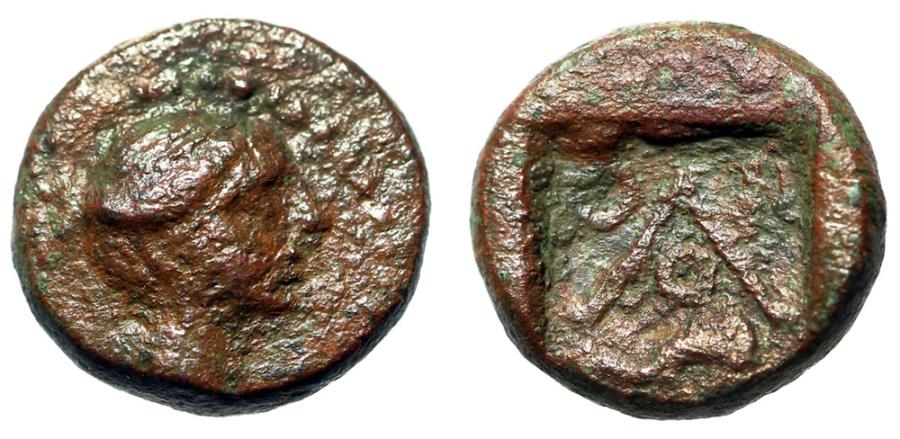
Other coins found here show Britomartis with her hair in the classic Hellenic fillet, bay-wreath, necklace and quiver, and as their reverse of the coin is Zeus enthroned with an eagle on his right hand, a scepter in his left (fig. 537)” and silver coins of Antiochos viii Grypos, king of Syria, dated between 12 I and 96 B.C., showing Zeus standing within a laurel-wreath holding a long scepter in his left hand, an eight-rayed star, in his right; and on or over his head is the crescent moon.
To go along with this fabulous history, more recently in October 2019, according to the Greek Ministry of Culture and Sports, archaeologists have discovered a treasure trove of artifacts dating back thousands of years near the Port of Saint Nicholas. (8) Here is a photo from of the submerged structures in the Vathi bay of the Kolokytha peninsula (photo: Greek Ministry of Culture and Sports)
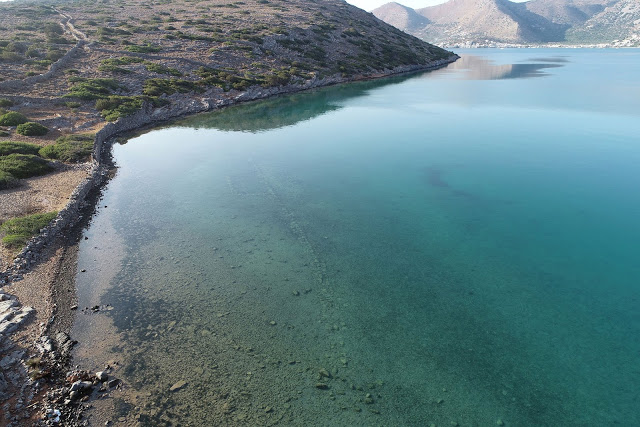
Άποψη των βυθισμένων δομών στον όρμο Βαθύ της χερσονήσου της Κολοκύθας
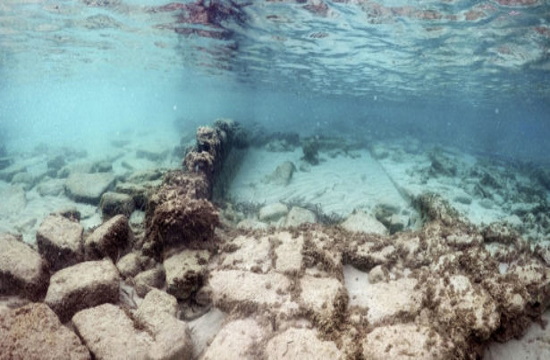
The online Greek publication, Tornos News recently reported that a treasure trove of submerged building complexes as well as ancient quarries, chiseled bollards, a loading platform, ships’ ballast, anchors, accidental rejects and signs of a Byzantine shipwreck were discovered by an underwater research team from the Ephorate of Underwater Antiquities and a team of geophysicists from the Laboratory of Satellite Remote Sensing of the Institute of Mediterranean Studies.
Archaeologists also found a submerged ancient city and the foundations of two fortification towers.
The research, carried out last October in much of Elounda Bay, involved volunteer divers and scientists of other specialties. This is the third research season in the five-year project of the two bodies launched in 2017 and supported by the Municipality of Agios Nikolaos. (4)
All these new findings seem to support the history of this ancient city whether it be true history, Biblical, and mythology that I have put forth in this essay.
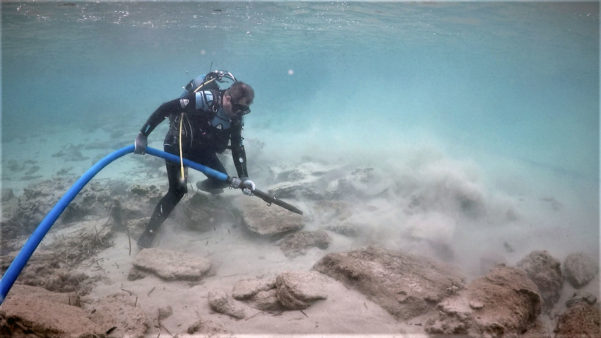
Cleaning part of the wall of ancient Oloundas (photo: Greek Ministry of Culture and Sports)
SOURCES:
1. Cretan Quests: British Explorers, Excavators and Historians Page 12 – Davina Huxley, British School at Athens – 2000
2. The Annual of the British School at Athens By British School at Athens
3. The American Journal of Archaeology, Volume 2; Volume 9
4. https://www.tornosnews.gr/en/greek-news/culture/38942-submerged-buildings-found-in-ancient-city-and-modern-luxury-resort-of-crete.html

Moe is the founder of GnosticWarrior.com. He is a father, husband, author, martial arts black belt, and an expert in Gnosticism, the occult, and esotericism.
[powerpress]
In this episode #2 of the Gnostic Warrior Podcast Secrets on Esoteric America, I have the honor of again interviewing historian, symbologist and author, Cort Lindahl.
Cort is an expert on the hidden history and mysteries of the Masonic building of America at the behest of a secret royal plot by the Stuart Family to create a new Arcadia or Atlantis.
Cort is the author of several books and has spent over a decade of his life exploring the American landscape through his examination of geomancy and ley lines, he has discovered the largest engineered single project in the history of the world is being exposed.
His theories are backed by years of research, genealogy, history, monuments, symbols and hard facts that are to dispute.
Cort was born September 12, 1961, Long Beach, California in the United States of America. He grew up in a United States Air Force family and lived all over the world. He is descendant of the Sutherland of Forse family group from Thurso, Caithness, Scotland. Cort is also blessed with an extensive family legacy from the Bradbury family of England via Newfoundland.
Visit Cort Lindahl’s website @ survivalcell.blogspot.com
The page you requested could not be found. Try refining your search, or use the navigation above to locate the post.
Moe is the founder of GnosticWarrior.com. He is a father, husband, author, martial arts black belt, and an expert in Gnosticism, the occult, and esotericism.
[powerpress]
In this episode of the Gnostic Warrior Podcast Secrets on Esoteric America, I have the pleasure of interviewing a true master researcher, and symbologist, Cort Lindahl. Cort is the author of 5 books and has spent that last 8 years of his life examining global cultural affectations which have been mostly neglected by modern archaeologists and anthropologists. (more…)
Moe is the founder of GnosticWarrior.com. He is a father, husband, author, martial arts black belt, and an expert in Gnosticism, the occult, and esotericism.
“A great master of his craft, Ervin von Steinbach; but not he alone, For many generations labored with him, Children that came to see these saints in stone, As day by day out of the blocks they rose, Grew old and died, and still the work went on, And on and on and is not yet completed.” Henry Longfellow
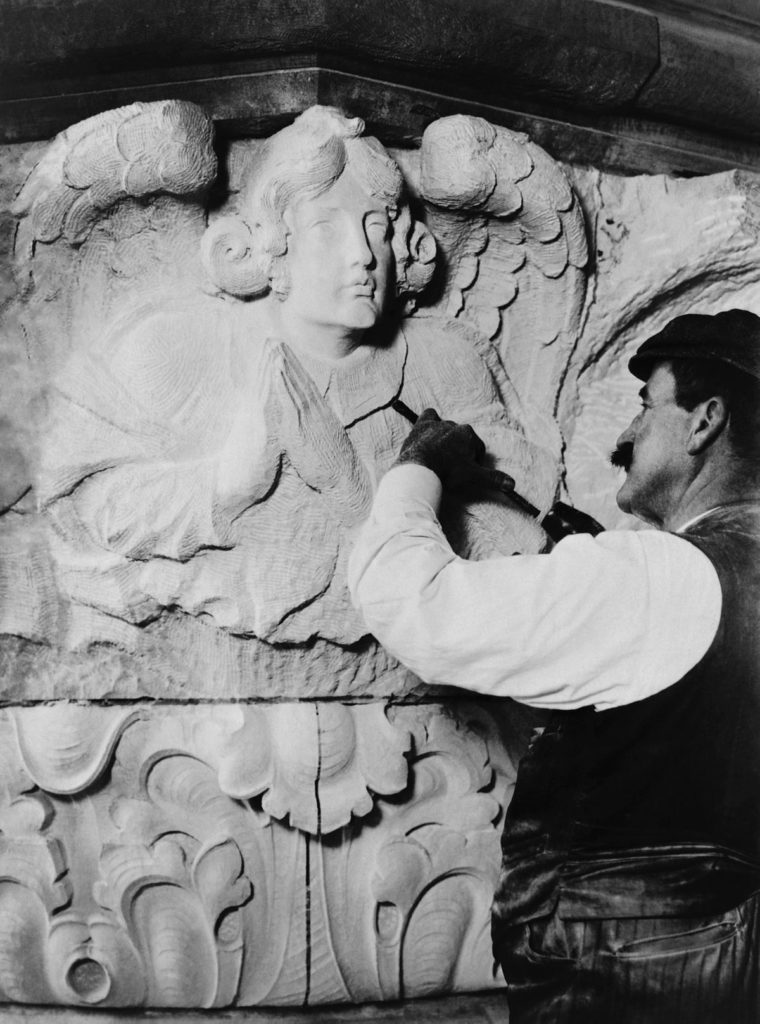
All over the world you will find that many ancient peoples had tried to communicate and document their worlds permanently etching and carving their history into the immortal stones of the landscapes they had inhabited. It was as if they were leavig these marks as testaments of their will to serve God and to create a kingdom of heaven on earth for us, their descendants.
Over time, various cultures such as the Ancient Egyptians had developed their own methods of documenting their lives, laws, and histories in the form of magical writing known only to them called hieroglyphs. This style became the precursor to ideographs and a more magical type of writing that only the initiated could read and understand with the Phoenician/Hebrew alphabet and soon thereafter the Greek, Latin, and English writing systems were created.
Since the most ancient times, it was the stonemasons who had developed a symbolical system of immortally marking their work in stone as a means for both identification of the tribe and or craftsman, communication, and also the identification of their Masonic guild. The oldest sets of symbols to come out of this Freemasonic system which has remained virtually unchanged for thousands of years and can be found all over the world are known as “Mason Marks.”
It is from these Masons and the Marks they left behind that I contend that we derive the modern-day Masonic Lodge, corporation, and also the corporate logo. I will detail these facts in another future essay.
In order to research who were the first people to incorporate these Mason Marks and document this history, it is important that we search back in time to locate the first people and or Tribe who may have developed and contributed to their distribution all over the world.
What I have discovered is that this Masonic symbology had originated on the Ancient Holy Island of Crete who along with the Greek Athenians I contend were the true progenitors of the Ancient Charges of Operative Freemasons. Masons such as one of the first immortal Masons, Daedelus of Crete who I had written about previously in my essay, “Hiram’s First Masons: The Cunning Daedalus Invented the Masonic Working Tools.”
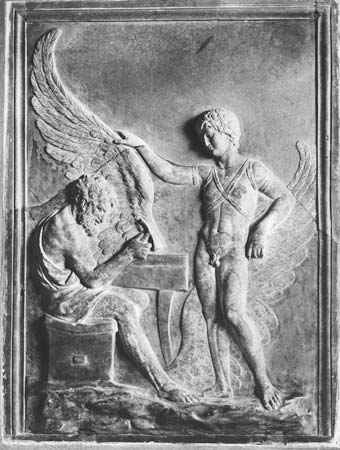
The Great Work of Daedelus has been known for well over 2,000 years as being credited with inventing the Masonic Working Tools used in the various degrees of Masonry such as the plumb-line and the axe, most of the tools used in carpentry, and of glue and he is also known as world-famous Cretan Labyrinth, according to the statements of Diodorus Siculus and Pliny. Homer had said that the statue of the daughter of Minos, King of Crete, Ariadne at Knossos was made by Daedalus.
33rd Degree Freemason, Albert Mackey had said the genealogy of Daedelus was from the old Athenian race of kings. Mackey had written in An Encyclopedia of Freemasonry and Its Kindred Sciences;
“A famous artist and mechanician, whose genealogy is traced in the Greek myths as having sprung from the old Athenian race of kings, the Erechtheidae. He is said to have executed the Cretan labyrinth, the reservoir near Megaris in Sicily, the Temple of Apollo at Capua, and the celebrated altar sculptured with lions on the Libyan coast.
He is said to be the inventor of a number of the “Working Tools” used in the various degrees of Masonry such as the compasses and square, the plumb-line and the axe, most of the tools used in carpentry, and of glue. Of him is told the fable of his flying safely over the AEgean by means of wings made by himself. His nephew, Perdix, is the reputed inventor of the third Great Light in Masonry, the Compasses, which are dedicated to the Craft. (page 945)”
In studying this history and the Athenian Kings who Daedelus had descended, I have found that a city of Crete once anciently called Tenos, which was sacred to Poseidon, and now The Holy Village of Ayios Nikolaos (Saint Nicholas) was a political community said to be created by King Theseus who is documented as the founder-king of Athens.
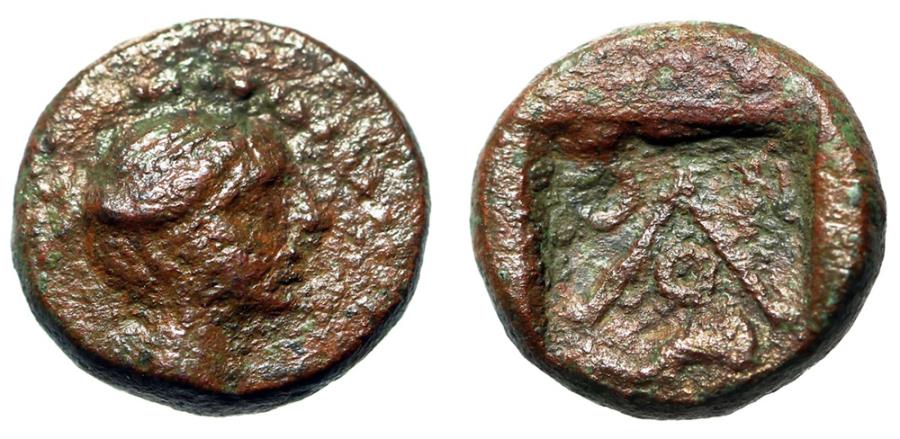
Before I get into the mythology, I wanted to share a little archaeology with you showing the evidence of these first Freemasons with a coin dated from Olous, Crete dated circa 300-270 BC showing the head of Artemis Britomartis and on the reverse is a Masonic square. The coins that have been unearthed here are known as the “Coins of Olous” this coin with a Freemasonic Square with what looks like the letter G in the middle which is the oldest representation of Masonry on a coin that I could find anywhere.
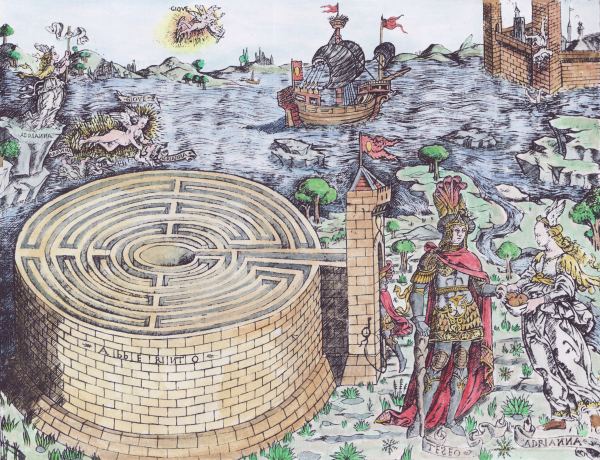
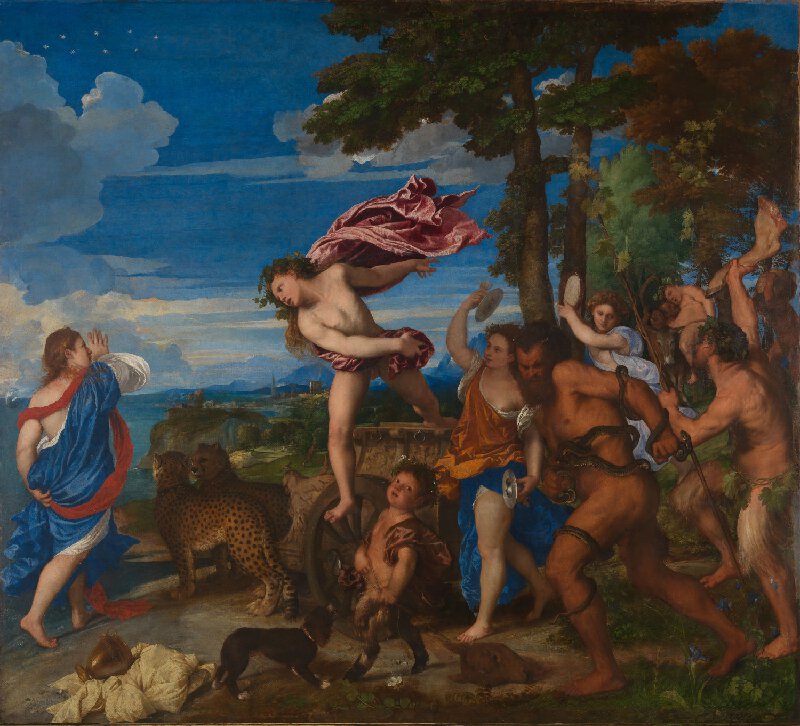
The mythology around this area of the island and King Thesus tells us that he was rescued from the Labyrinth by the Cretan King Minos’ daughter Ariadne and for her Great Work, she was given the Crown that was legally called Gnosis Corona, and she has officially surnamed Gnosis, from the City of the Goddess in Crete – Knossos.
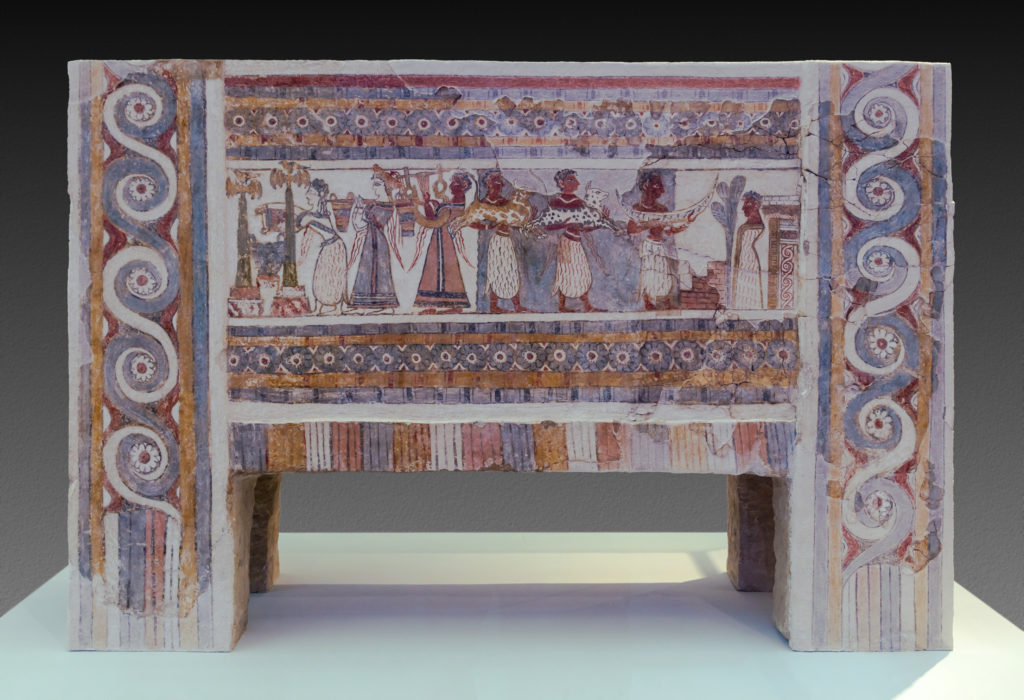
To corroborate Mackey’s claims about Daedelus’ relation to royalty with actual archeological science, you will find a divine place on Crete that was once known as “The Plateau of St Nicholas” and is more commonly called “The Plateau of Isopata”. It is from this location where you will obtain a most spectacular “royal view” of the city of Knossos and the Harbor below and also the Royal Tomb of Isopata that is said to date back approximately 3,500 hundred years and also where the famous 3,500-year-old sarcophagus of Hagia Triada was discovered.
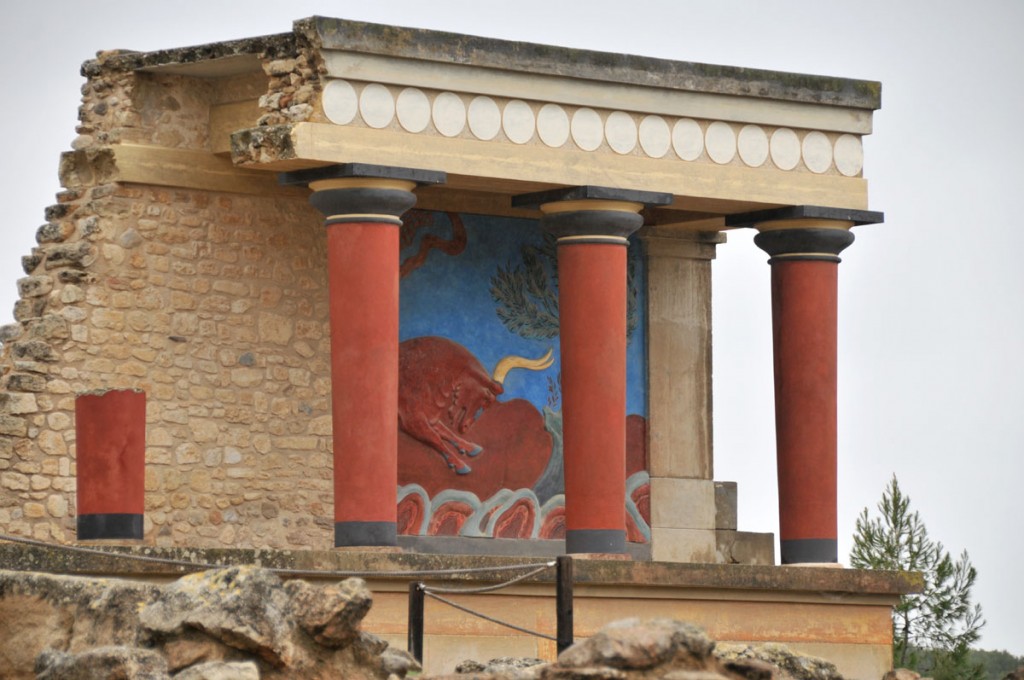
The symbols, Mason Marks, divine biblical history and the importance of Crete and Athens to true Masons are a testament to these facts spanning 3,000 years to in the building of the new world and in bringing wisdom to the world in an attempt to civilize of humankind.
For example, the symbols of these Masons have been found all over Crete in the Minoan palaces at Knossos, Malia, and Phaestos, which were listed and enumerated by author S. Hood in his publication, “Mason’s Marks in the Palaces,” in “The Function of the Minoan Palaces: Proceedings of the Fourth International Symposium at the Swedish Institute in Athens, 10-16 June 1984).
Searching the internet for more information, I discovered there were more than 220 mason’s marks at Phaistos mostly connected to the First Palace that was reported by Luigi Pernier in 1935 and Hood in 1987, who reported 750 mason marks at Knossos and 130 at Mallia that were dated to 1900-1700 BC. making them the oldest that I could locate anywhere in the world.
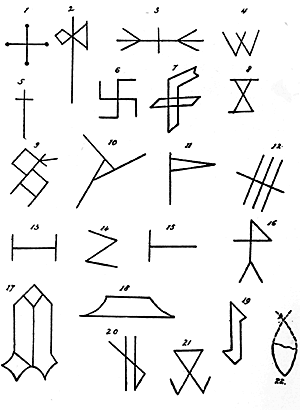
These are the main Mason Marks and symbols found all throughout the palaces of Knossos, Phaistos, and Mallia found in the book, Cretan Pictographs and Prae-Phoenician Script which the meaning were largely unknown at the time of this book.
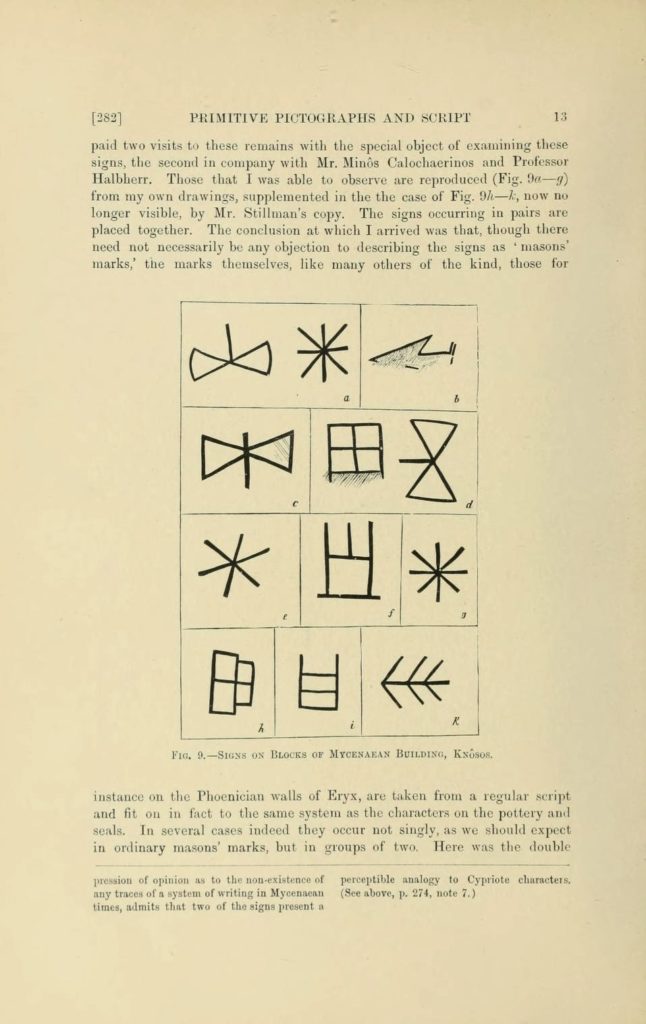
The meanings of the symbols in Cretan Pictographs and Prae-Phoenician Script are largely unknown or were at the time of this book.
Here is a later interpretation of the meaning of the symbols (S. Hood Oxford, 1994).
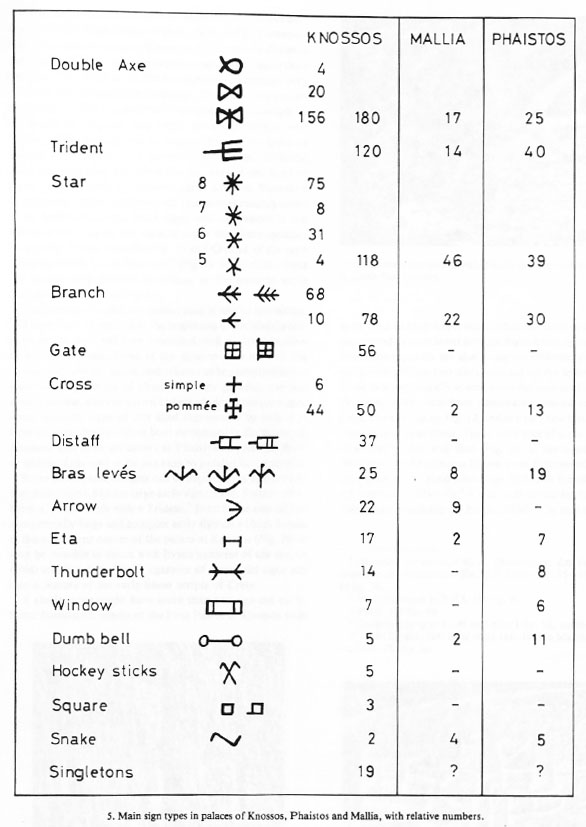
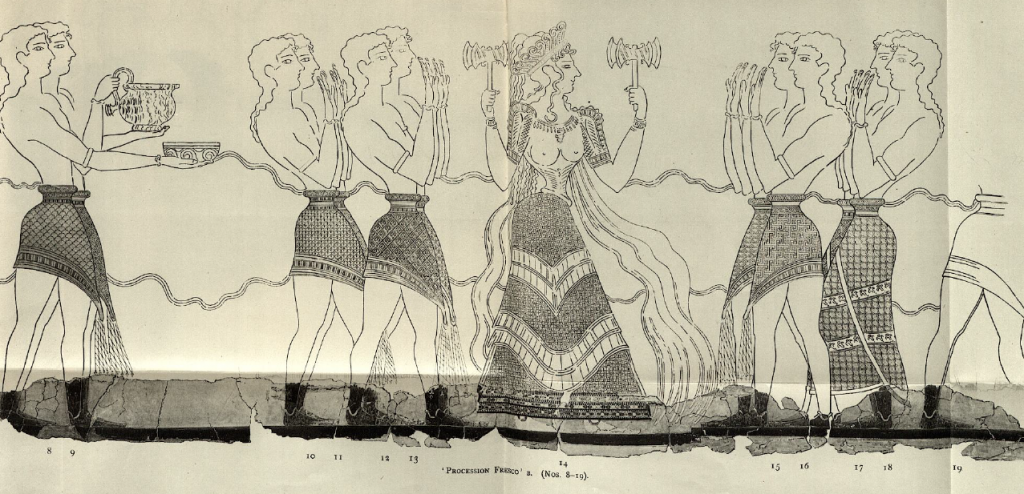
The oldest and most important symbols used by these Masons you will find are used all over the globe in almost all their building projects such as the Doubled Headed Axe of the Goddess Cult;
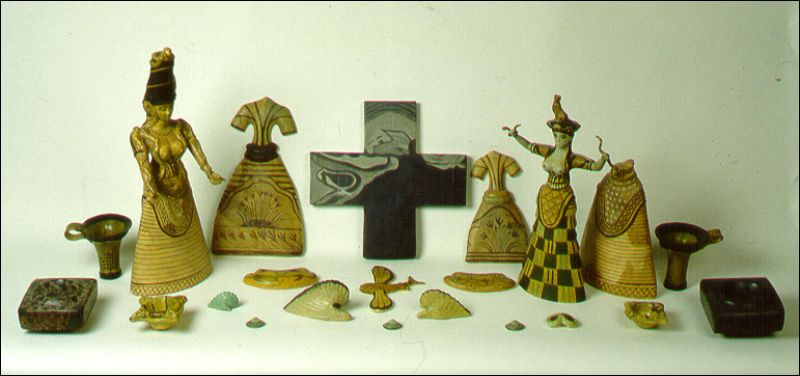
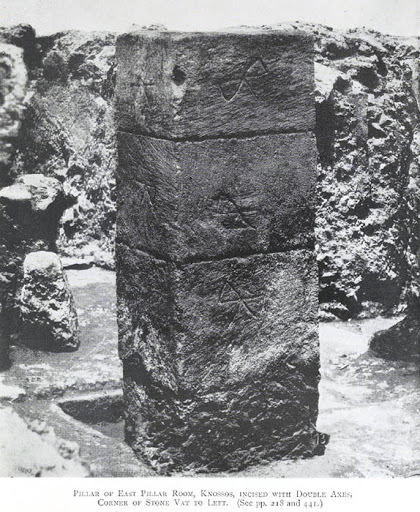
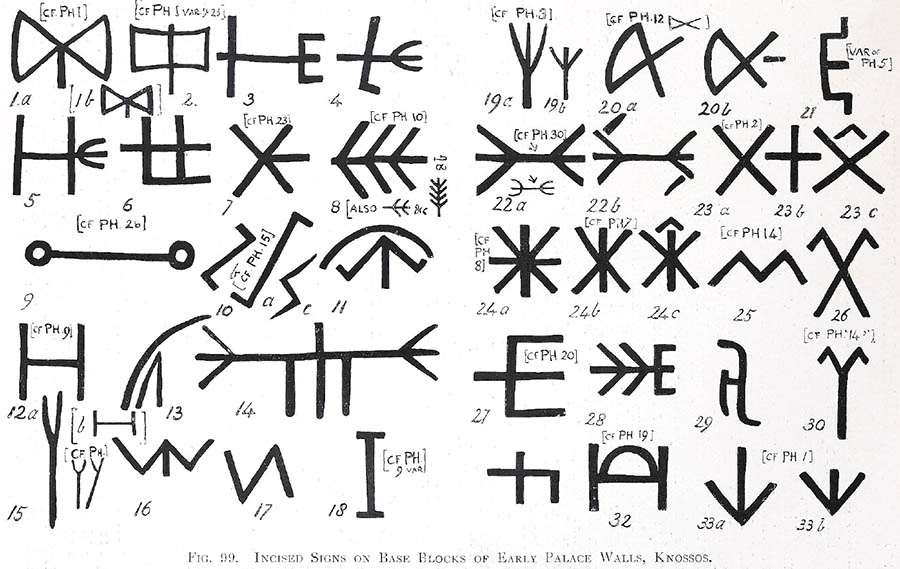
8 Pointed Star of Jupiter, Cross of Jerusalem, and the Swastika to name a few plus various other symbols and derivates thereof carved onto the pillars at Knossos.
“Incised signs on base blocks of Early Palace walls, Knossos” (Evans 1921)
Here is the beautiful stonework that can be found in the west court of the Phaistos Palace mason’s marks found in the book of Luigi Pernier (Pernier 1935)
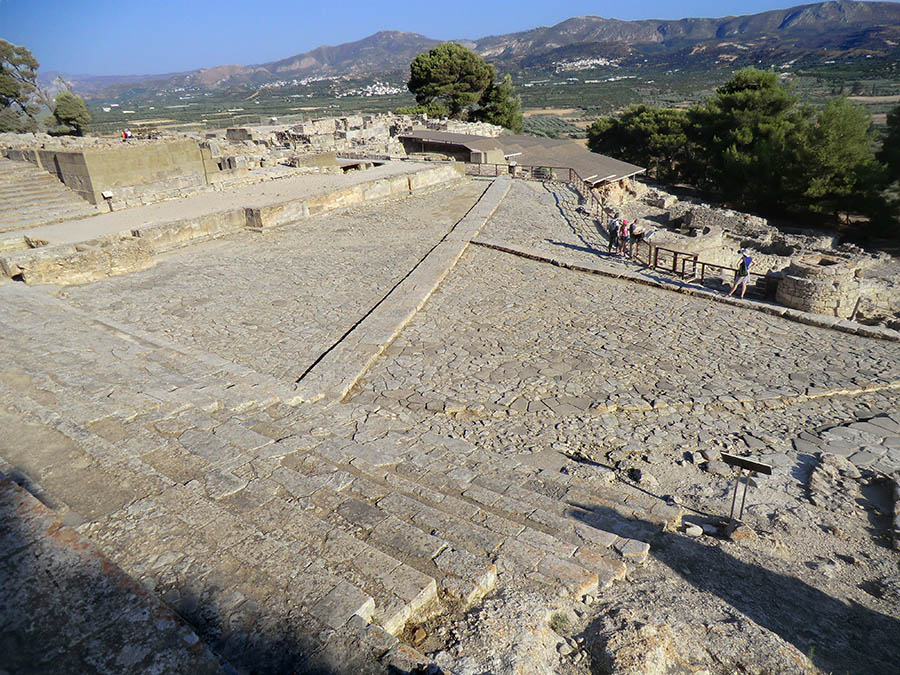
In the museum at Malia, there have on display some of these ancient Mason Marks that were found there and at the other palaces on Crete.
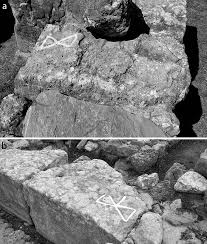
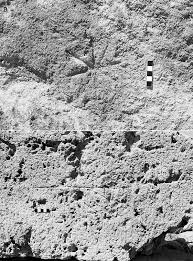
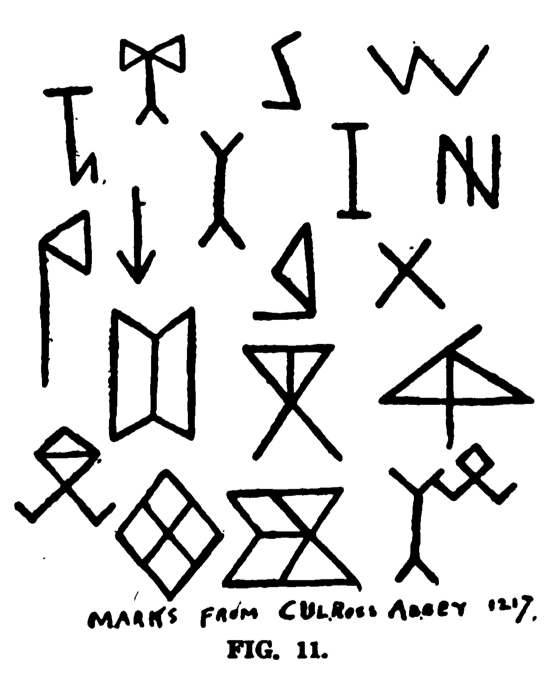
These same Mason Marks first created on Crete can be found in many important stone buildings and Christian Cathedrals all throughout the world such as Melrose Abbey.

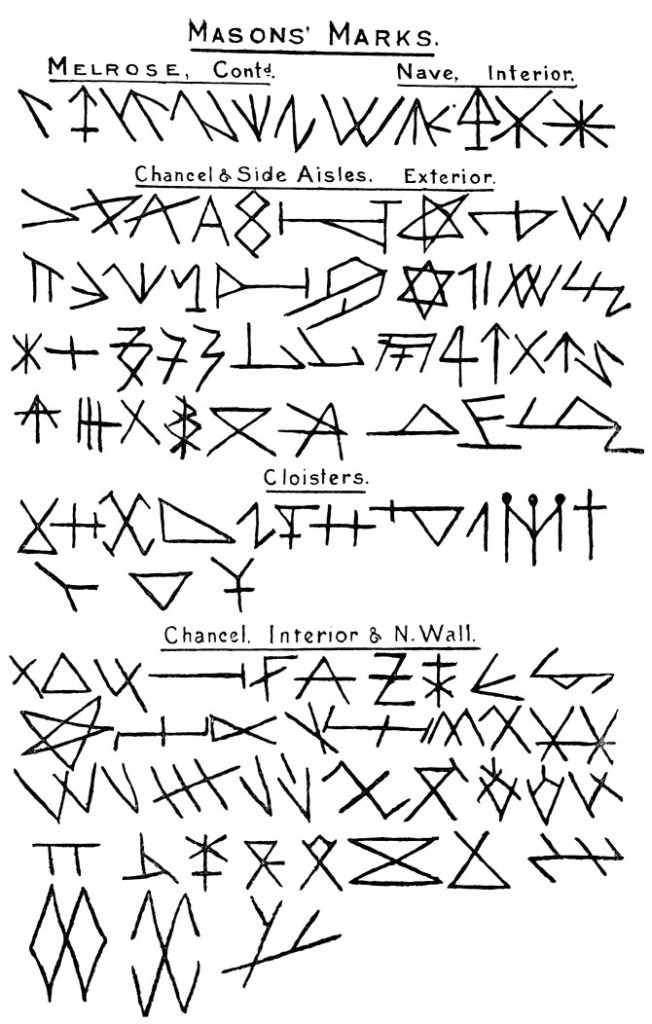
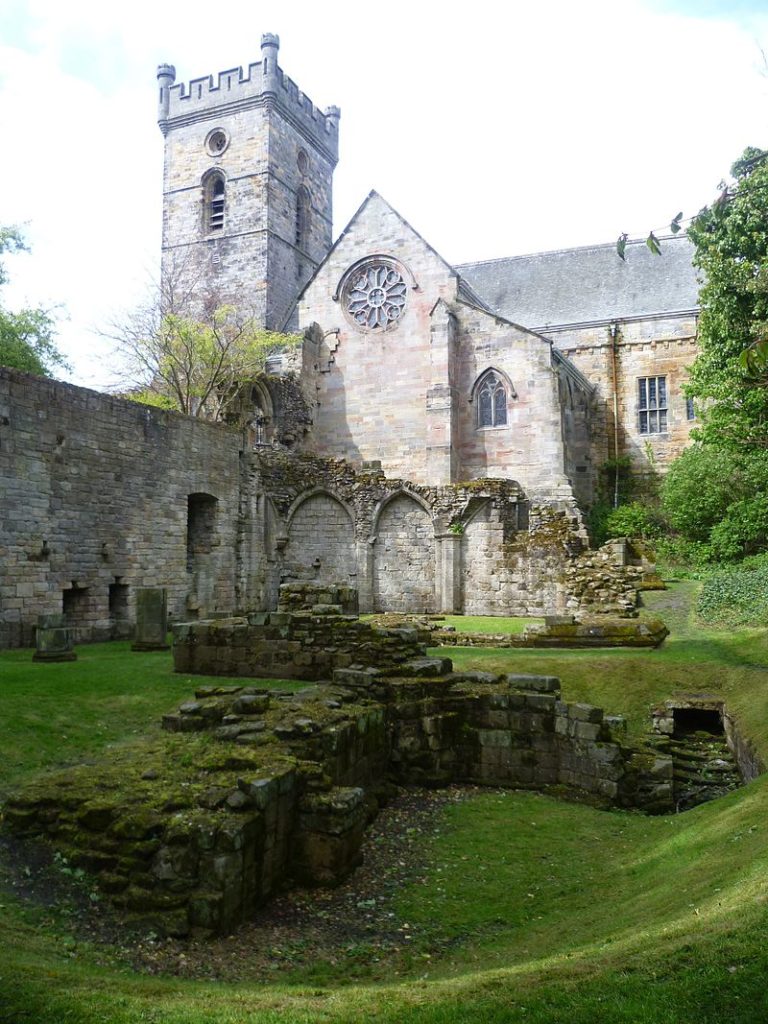
Places like Culross Abbey in Culross, Scotland
The Mediaeval Masons’ Marks that can be found all over the sone building structure in Herefordshire like the Templar Church of Garway also known as St Michael’s Church in the Herefordshire village of Garway
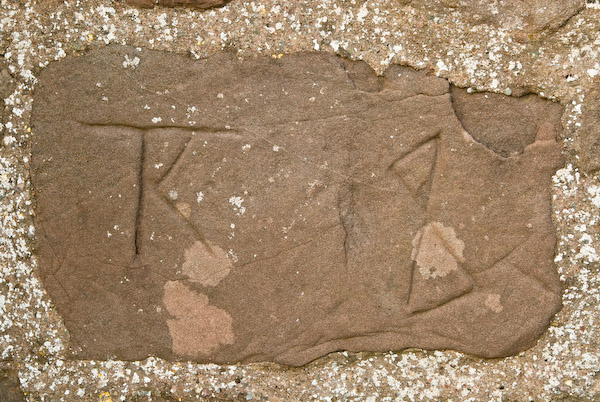
Medieval mason’s marks
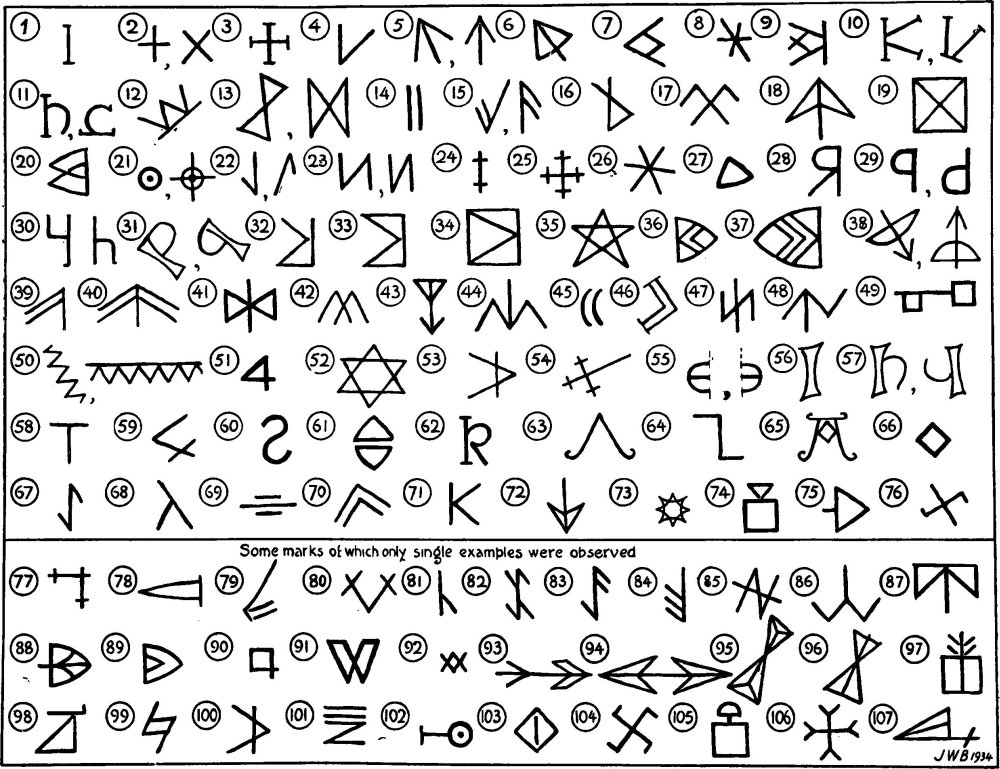
Here is a list of all the Mediaeval Masons’ Marks found in Herefordshire
King Richard’s Tower, Nottingham Castle
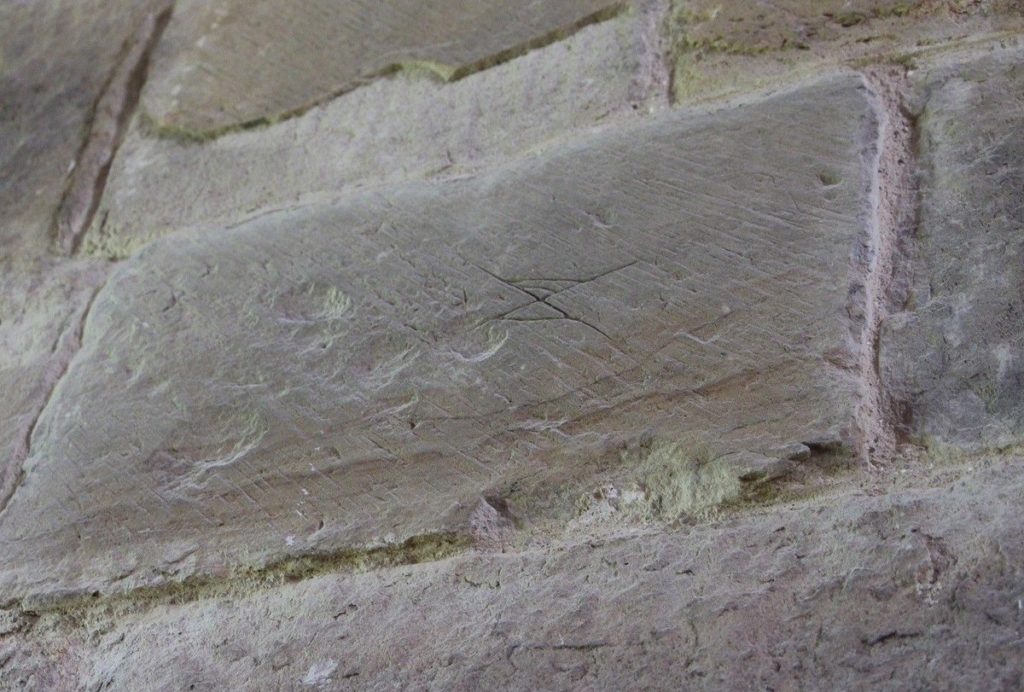
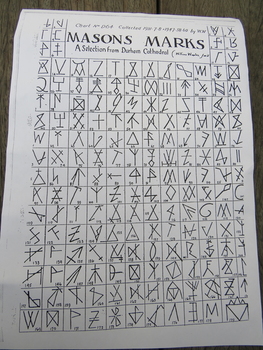
Durham Cathedral
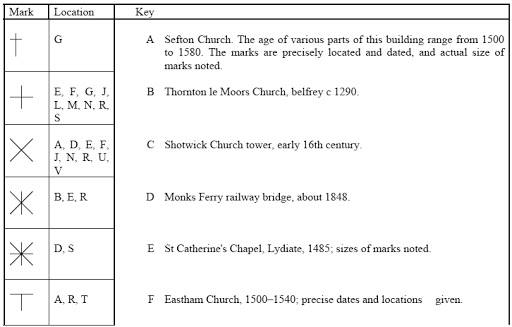
Interestingly as time would move forward, the Mason Marks of particular Freemasons that reside mainly in France, and Germany by the Cathedrals that the German Princes had built in which they had refined these symbols down to what appears to be a few core symbols being that of the Cross of Jerusalem, Star of Jupiter, Tau Cross, and the Russian Cross, as a secret inheritance to these Rites of their Greco-Roman Masonic Building Ancestors.
Moe is the founder of GnosticWarrior.com. He is a father, husband, author, martial arts black belt, and an expert in Gnosticism, the occult, and esotericism.
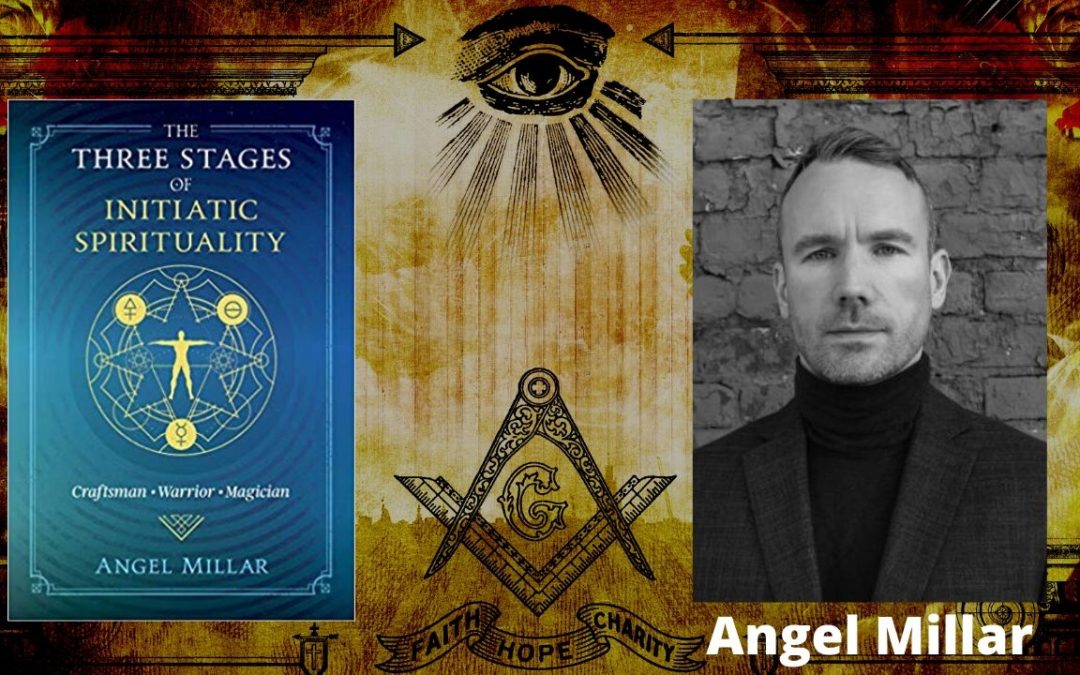
My guest today on the Gnostic Warrior Podcast is author, Martial artist, and Freemason, Angel Millar.
Angel discusses his new book, The Three Stages of Initiatic Spirituality. A book for anybody interested in the history of the various initiatic systems.
Angel tells us how the figures of the craftsman, the warrior, and the magician were known to every ancient culture on earth.
He explains the general purpose of initiation and how does it relate to an individual’s path in life. Angel also discusses how Masonic symbolism is used during the process of initiation and the development of the initiate and also he delves into the history of many other esoteric and spiritual systems.
Angel Millar is also the author of Freemasonry: Foundation of the Western Esoteric Tradition (2014) and Freemasonry: A History (2005). His writing has also been published in The Journal of Indo-European Studies, Quest magazine, and Philalethes: The Journal of Masonic Research, among others.
The page you requested could not be found. Try refining your search, or use the navigation above to locate the post.
Moe is the founder of GnosticWarrior.com. He is a father, husband, author, martial arts black belt, and an expert in Gnosticism, the occult, and esotericism.