by Moe | Feb 13, 2017 | Phoenicians
“Now the Phoenicians who came with Cadmus, and to whom the Gephyraei belonged, introduced into Greece upon their arrival a great variety of arts, among the rest that of writing, whereof the Greeks till then had, as I think, been ignorant. And originally they shaped their letters exactly like all the other Phoenicians, but afterwards, in course of time, they changed by degrees their language, and together with it the form likewise of their characters.”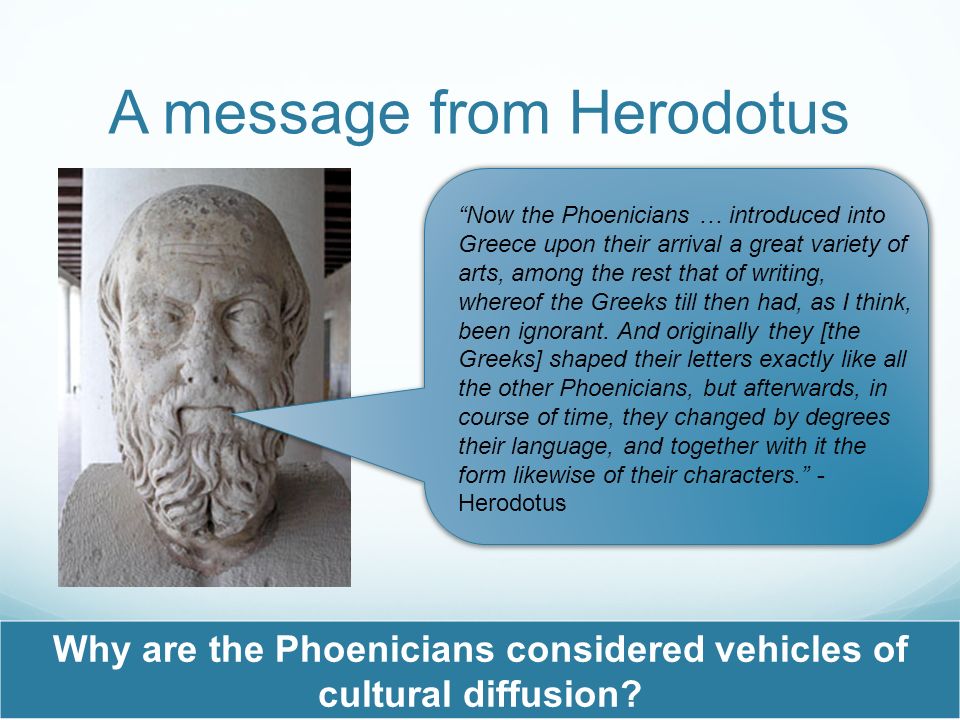
The History of Herodotus:
Moe is the founder of GnosticWarrior.com. He is a father, husband, author, martial arts black belt, and an expert in Gnosticism, the occult, and esotericism.
by Moe | Feb 13, 2017 | Ancient America, Phoenicians
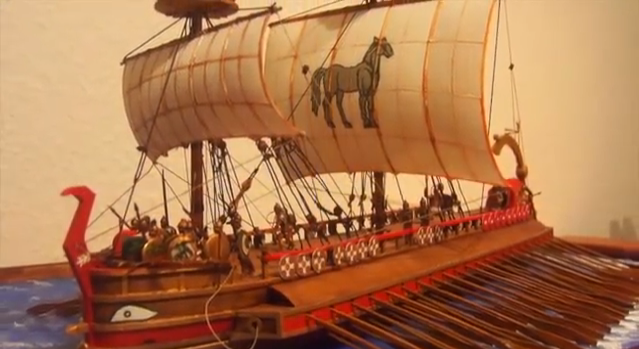
“Of all the nations of their time, the Phoenicians stood in the front rank. In the practical arts, as well as in the exact sciences, they were in their own wide sphere, without a competitor. (more…)
Moe is the founder of GnosticWarrior.com. He is a father, husband, author, martial arts black belt, and an expert in Gnosticism, the occult, and esotericism.
by Moe | Feb 13, 2017 | Ancient America, Phoenicians
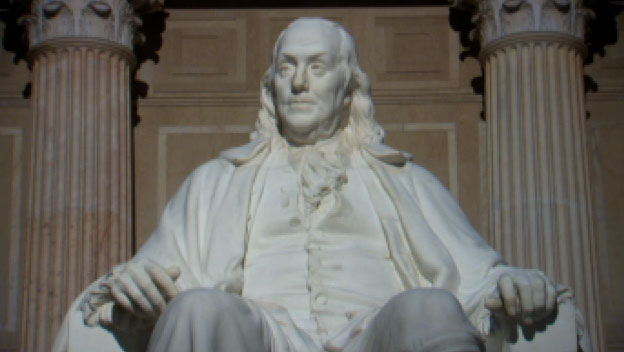
Benjamin Franklin had written on the Phoenicians: “This inscription, which you find to be Phoenician, is, I think, near Taunton (not Jannston, as you write it). There is some account of it in the old Philosophical Transactions. I have never been at the place, but shall be glad to see your remarks on it.’ (more…)
Moe is the founder of GnosticWarrior.com. He is a father, husband, author, martial arts black belt, and an expert in Gnosticism, the occult, and esotericism.
by Moe | Feb 13, 2017 | Phoenicians
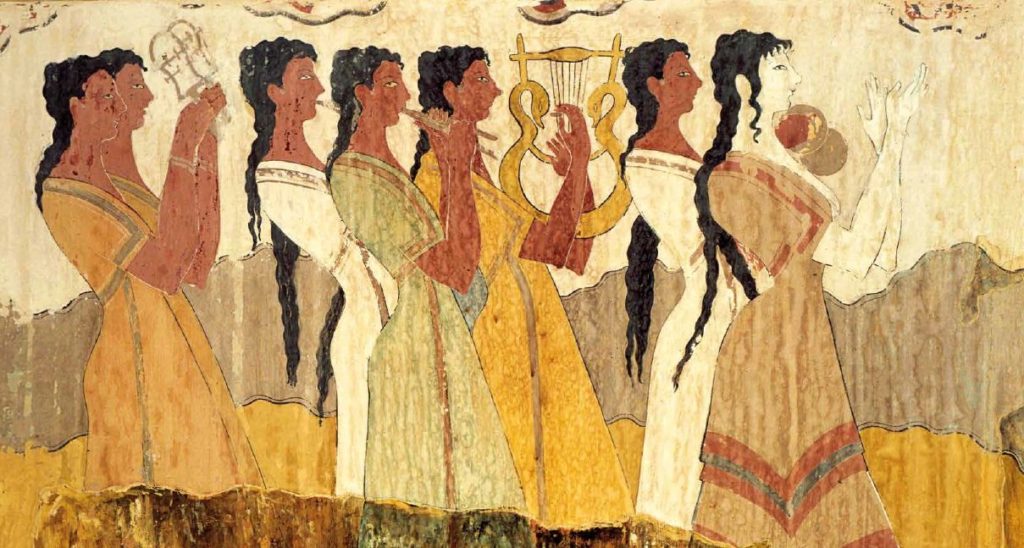
W. W. Rouse Ball, A Short Account of the History of Mathematics (1905) had said of the Phoenicians:
“It seems probable that the early Greeks were largely indebted to the Phoenicians for their knowledge of practical arithmetic or the art of calculation, and perhaps also learnt from them a few properties of numbers. It may be worthy of note that Pythagoras was a Phoenician; and according to Herodotus, but this is more doubtful, Thales was also of that race.”
Moe is the founder of GnosticWarrior.com. He is a father, husband, author, martial arts black belt, and an expert in Gnosticism, the occult, and esotericism.
by Moe | Feb 13, 2017 | Ancient America, Phoenicians
In his 1871 book Ancient America, John Denison Baldwin said this about the Phoenicians being the first people to establish colonies and cities filled with civilized life:
“The known enterprise of the Phoenician race, and this ancient knowledge of America, so variously expressed, strongly encourage the hypothesis that the people called Phoenicians came to this continent, established colonies in the region where ruined cities are found, and filled it with civilized life.
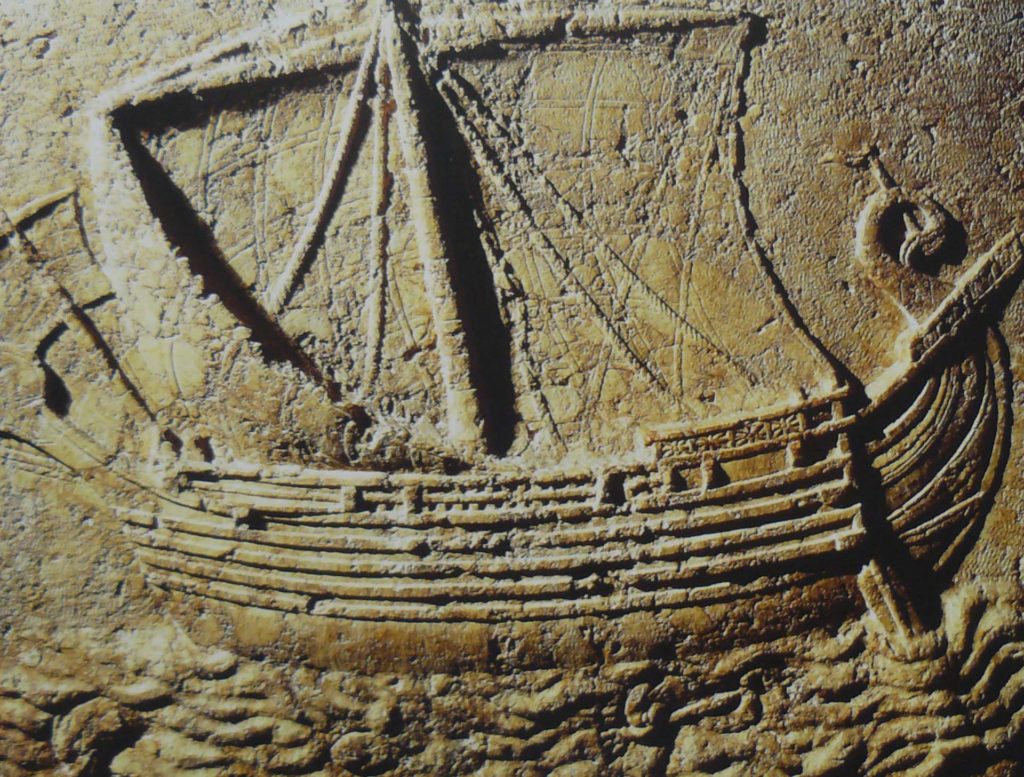
It is argued that they made voyages on the “great exterior ocean,” and that such navigators must have crossed the Atlantic; and it is added that symbolic devices similar to those of the Phoenicians are found in the American ruins, and that an old tradition of the native Mexicans and Central Americans described the first civilizers as “bearded white men,” who “came from the East in ships.”
Moe is the founder of GnosticWarrior.com. He is a father, husband, author, martial arts black belt, and an expert in Gnosticism, the occult, and esotericism.