by Moe
The French occultist, Eliphas Levi had said, “The societies of the elder world perished through the materialistic egoism of castes,  becoming petrified on their own part, isolating the common people in a hopeless reprobation and reserving the reins of power to a small number of the elect, so that it was deprived of that circulation which is the principle of progress, motion and life.
Power without antagonism, without competition and hence without control, proved fatal to the sacerdotal royalties. (more…)
Moe is the founder of GnosticWarrior.com. He is a father, husband, author, martial arts black belt, and an expert in Gnosticism, the occult, and esotericism.
by Moe
By 33rd Degree Freemason, Manly P. Hall – “The School of Gnosticism was divided into two major parts, commonly called the Syrian 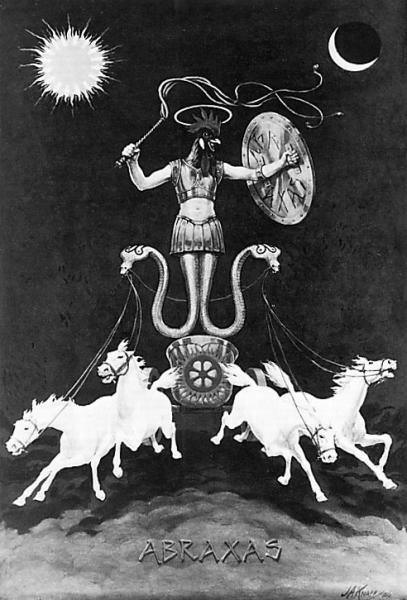 Cult and the Alexandrian Cult. These schools agreed in essentials, but the latter division was more inclined to be pantheistic, while the former was dualistic.
While the Syrian cult was largely Simonian, the Alexandrian School was the outgrowth of the philosophical deductions of a clever Egyptian Christian, Basilides by name, who claimed to have received his instructions from the Apostle Matthew. Like Simon Magus, he was an emanationist, with Neo-Platonic inclinations. (more…)
Moe is the founder of GnosticWarrior.com. He is a father, husband, author, martial arts black belt, and an expert in Gnosticism, the occult, and esotericism.
by Moe
By 33rd Degree Freemason, Manly P. Hall – “The Gnostic viewpoint concerning the Christ is well worthy of consideration. This order 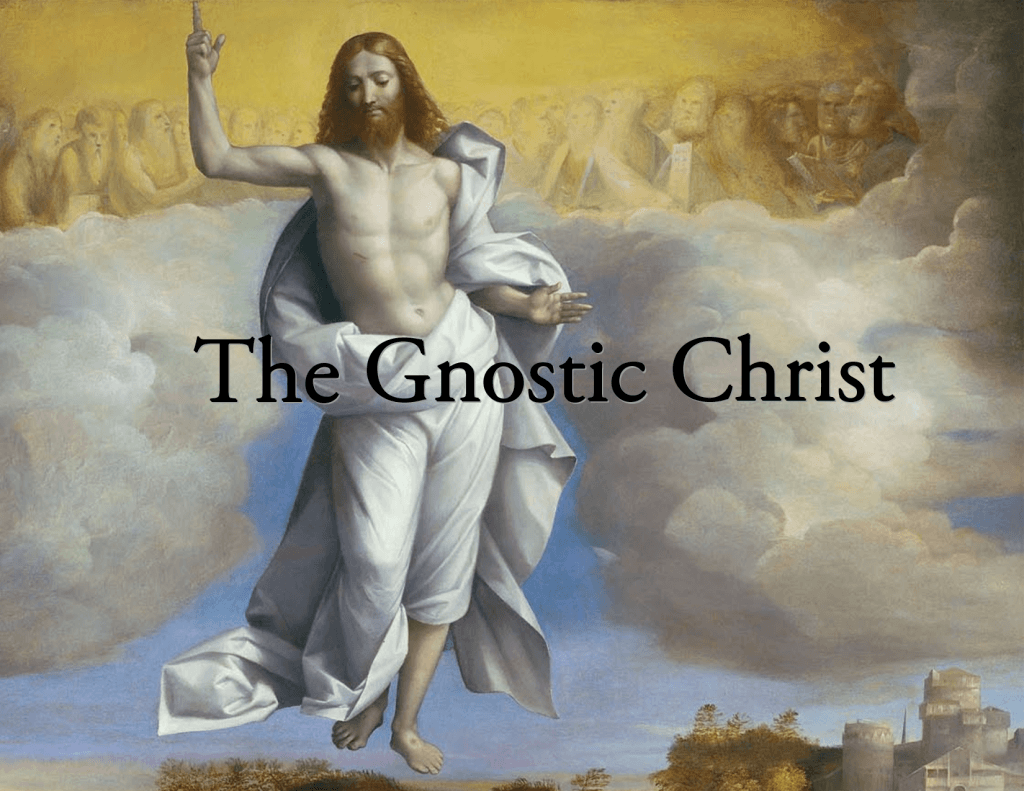 claimed to be the only sect to have actual pictures of the Divine Syrian. While these were, in all probability, idealistic conceptions of the Savior based upon existing sculpturings and paintings of the pagan sun gods, they were all Christianity had.
To the Gnostics, the Christ was the personification of Nous, the Divine Mind, and emanated from the higher spiritual Æons. He descended into the body of Jesus at the baptism and left it again before the crucifixion. (more…)
Moe is the founder of GnosticWarrior.com. He is a father, husband, author, martial arts black belt, and an expert in Gnosticism, the occult, and esotericism.
by Moe
“That profanation has befallen the doctrines and mysteries of Magic we have no intention to deny; repeated from age to age, the 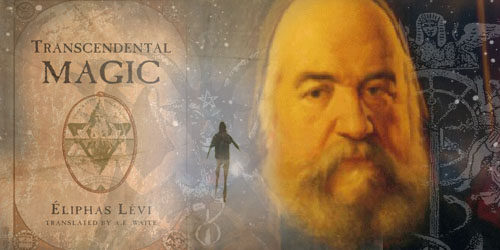 misuse itself has been a great and terrible lesson for those who made secret things unwisely known.
The Gnostics caused the Gnosis to be prohibited by Christians, and the official sanctuary was closed to high initiation. (more…)
Moe is the founder of GnosticWarrior.com. He is a father, husband, author, martial arts black belt, and an expert in Gnosticism, the occult, and esotericism.
by Moe
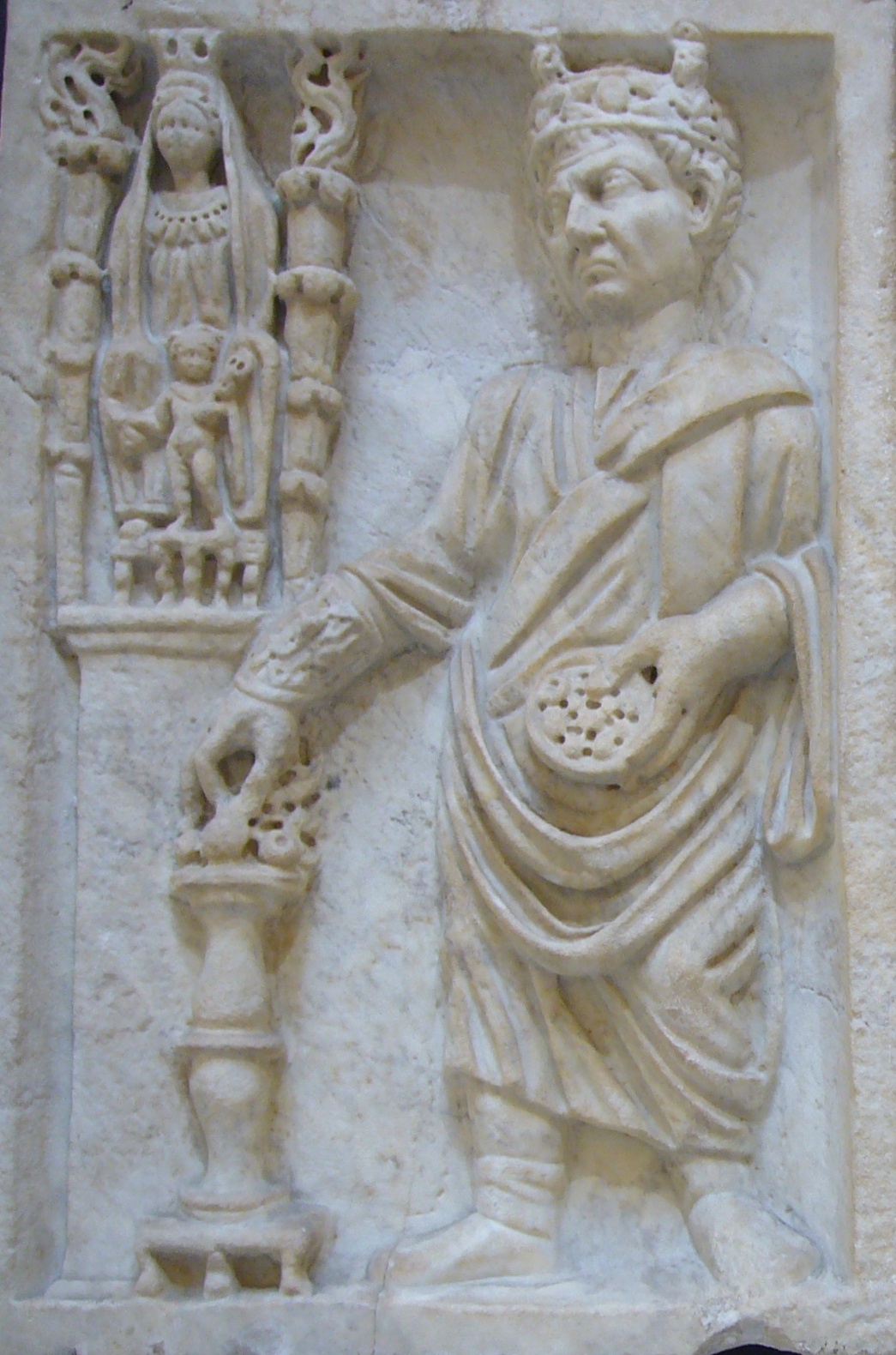
There was a time in ancient history when the priesthood in various cultures were required to sever their penis’, or what is more 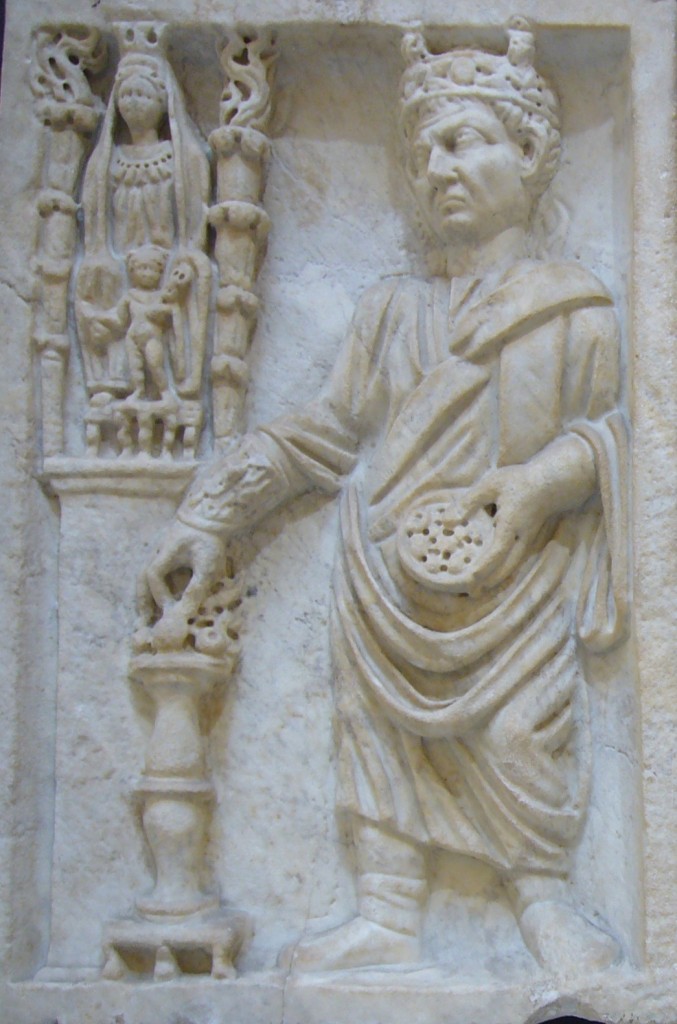 commonly known as castration. These priests were first known as eunuchs (/ˈjuːnək/; Greek: εὐνοῦχος) and the Galli, who according to Herodian were named after a river called Gallus in Phrygia which is another name for the Mediterranean island of Crete.
The Cretan Galli celebrated the rites of the Goddess near the River Gallus, and it was reported that if you drank the water it would drive you mad. During the celebrations they would dance wildly in circles, beat drums, howl like wolves, and slash at their skin until it bled to which relates that of Ovid;
“Gallus, with his distracting Waters Glides, On Green Cybele and Cylene’s Sides.”
The meaning of the word eunuch is an emasculated person, and which we may also connect with the biblical Enoch that is derived from the Hebrew name חֲנוֹך (Chanokh) meaning “devoted or dedicated”. It was said that castration was most often carried out on the soon-to-be eunuch without his consent in order that he might perform a specific social function.
Eunuchs were often employed as priests and royal court officers, who many of them had great power and influence. They were also in charge of the priestesses of the Goddess as chamberlains; i. e. those who have charge of the bedchamber. In ancient Egypt it came to be applied to any court officer, whether they were castrated or not.
We learn from Clemens of Alexandria, that Pythagoras the philosopher and first true mathemagician was made an eunuch. Herodotus had said that in Persia they were far from being objects of contempt, but were frequently promoted to the highest offices. They had worn woolen good and were said to dress like the woman of that time. One of the great generals in the service of the Byzantine Emperor, Justinian I Narses was an eunuch, and also Hermias, governor of Atarnea in Mysia was also an eunuch. (more…)
Moe is the founder of GnosticWarrior.com. He is a father, husband, author, martial arts black belt, and an expert in Gnosticism, the occult, and esotericism.
by Moe
“The Will of God is Gnostic; He wills to be known.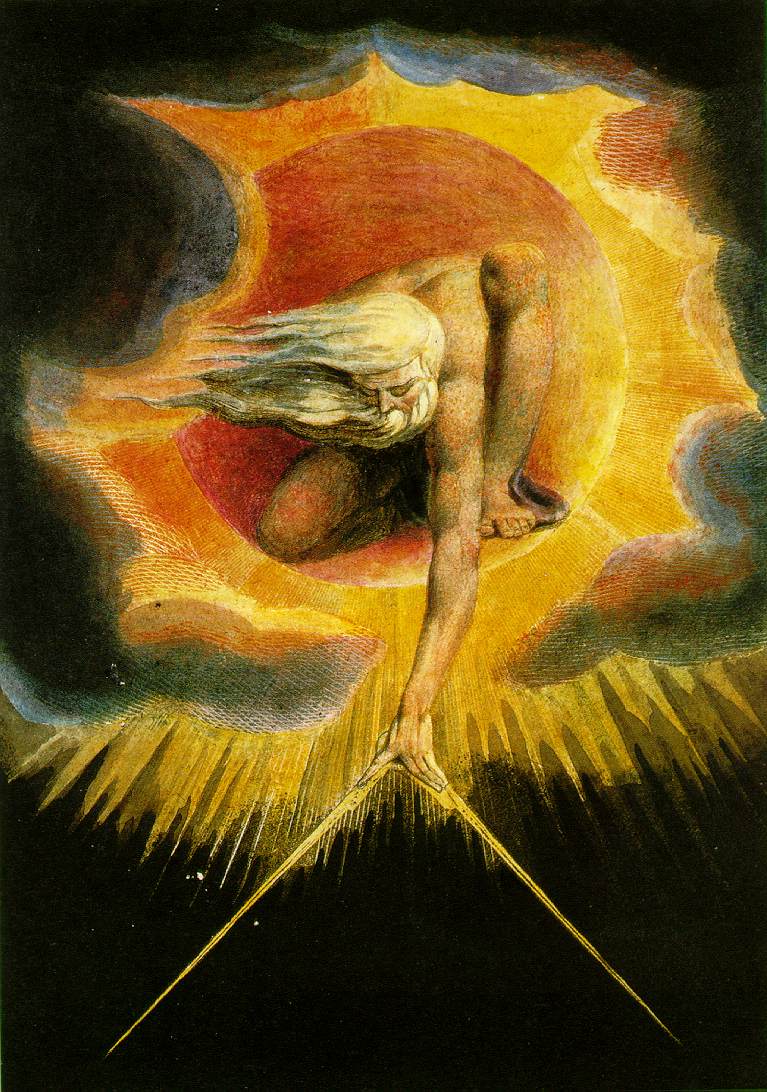
The Divine Purpose is consummated in Self-knowledge.
God is knowable, but only by “His own,” that is by the Divine Sonship, as Basilides, the Christian Gnostic, calls it, or by the Race of the Sons of God, as Philo and our Gnostics and others of the same period phrase it.” – By George Robert Stow Mead, Hermes (Trismegistus.)
Moe is the founder of GnosticWarrior.com. He is a father, husband, author, martial arts black belt, and an expert in Gnosticism, the occult, and esotericism.