by Moe | Jan 15, 2016 | Quotes
By Michael Jaco – The intuitive force that moves through all things does not distinguish or judge what, who or how its energy is used.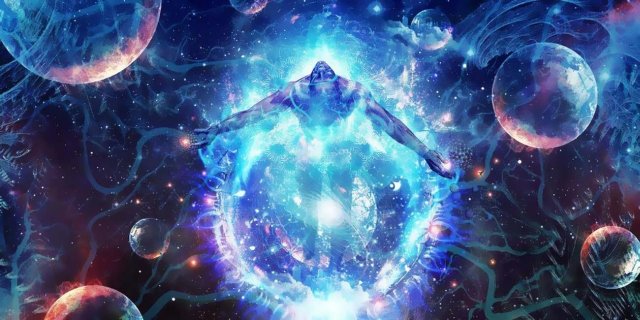
It is endless and inexhaustible. It is available to all things even down to the smallest atom. (more…)
Moe is the founder of GnosticWarrior.com. He is a father, husband, author, martial arts black belt, and an expert in Gnosticism, the occult, and esotericism.
by Moe | Jan 14, 2016 | Gnosis
The word hippocampus is derived from the Ancient Greek ἱππόκαμπος (hippokampos), ἵππος (hippos, “horse”) and κάμπος (kampos, 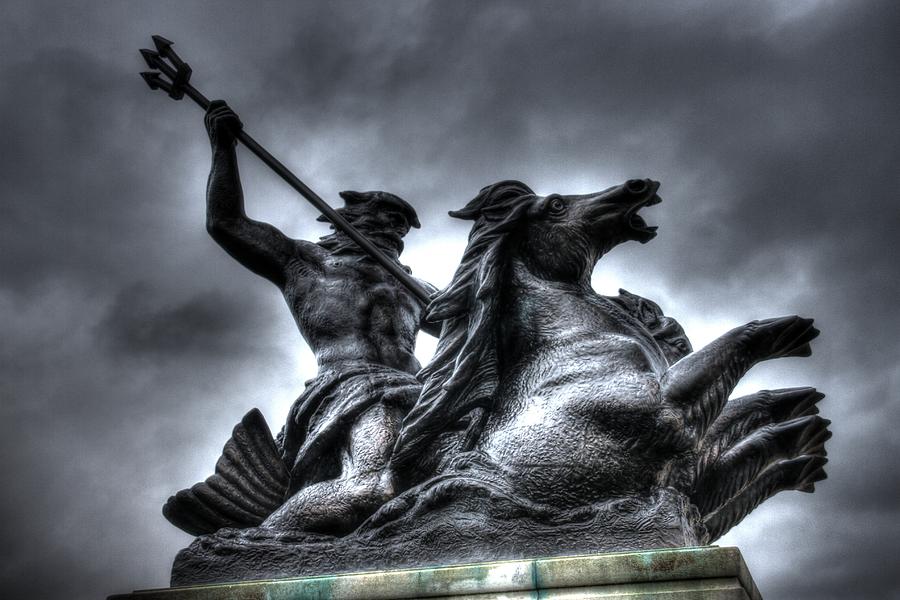 “sea monster”). This is why they are named after each other, and the reason for the fabulous Greek legends of Neptune and his sea horses.
This science was often depicted with Gods riding a sea-horse such as Hippius, a name of Neptune. The Hippocampus was Neptune’s favorite horse. Neptune (Latin: Neptūnus) was the Roman god of water and the sea in Roman mythology and religion, a brother of Jupiter and Pluto.
He is the counterpart of the Greek sea god, and one of the ancient gods of Phoenicia under the name of Poseidon. Neptune or Poseidon, is often riding a hippocampus or has his chariot drawn by two of them, and his babies are called tadfoals.
By Moe the Gnostic Warrior (You can find more of these teaching in my book, The Order of the Gnostics: Ancient Teachings for the Modern Gnostic)
Moe is the founder of GnosticWarrior.com. He is a father, husband, author, martial arts black belt, and an expert in Gnosticism, the occult, and esotericism.
by Moe | Jan 14, 2016 | Quotes
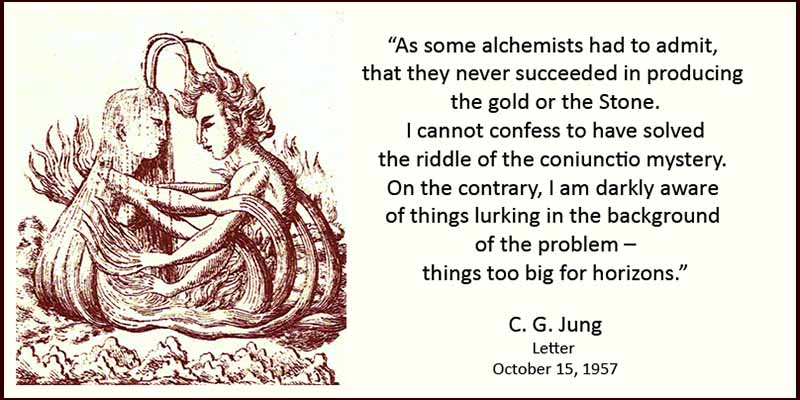
Moe is the founder of GnosticWarrior.com. He is a father, husband, author, martial arts black belt, and an expert in Gnosticism, the occult, and esotericism.
by Moe | Jan 14, 2016 | History of the Brotherhood
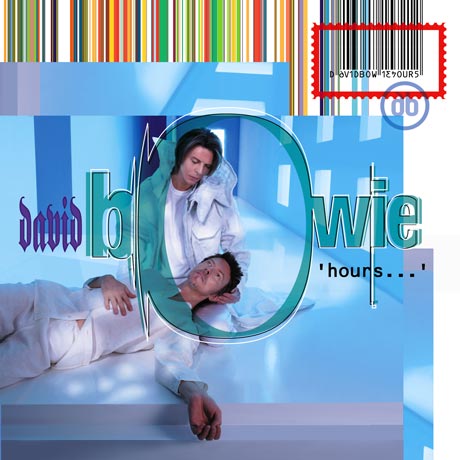
Since the Bowie post is rather huge and I think this detail is rather important I am breaking it out as an addenda here with a simplified graphic.
(By Christopher Loring Knowles – The Solar Satellite) – Bowie depicted himself as the Dead Jesus on the cover of the 1999 album ‘hours…’ so it’s important to look at some of the other symbolism at work. It’s especially poignant given that he intended his new album Blackstar to be a journal of his illness and passing onto the next realm. The last detail I need to nail down here is the actual time of death, which if it was in the 5’O Clock hour would be absolutely mindblowing.
(more…)
Moe is the founder of GnosticWarrior.com. He is a father, husband, author, martial arts black belt, and an expert in Gnosticism, the occult, and esotericism.
by Moe | Jan 14, 2016 | Gnosis
New evidence suggests that an ancient Aegean city not only recovered but also flourished following the collapse of the Bronze Age.
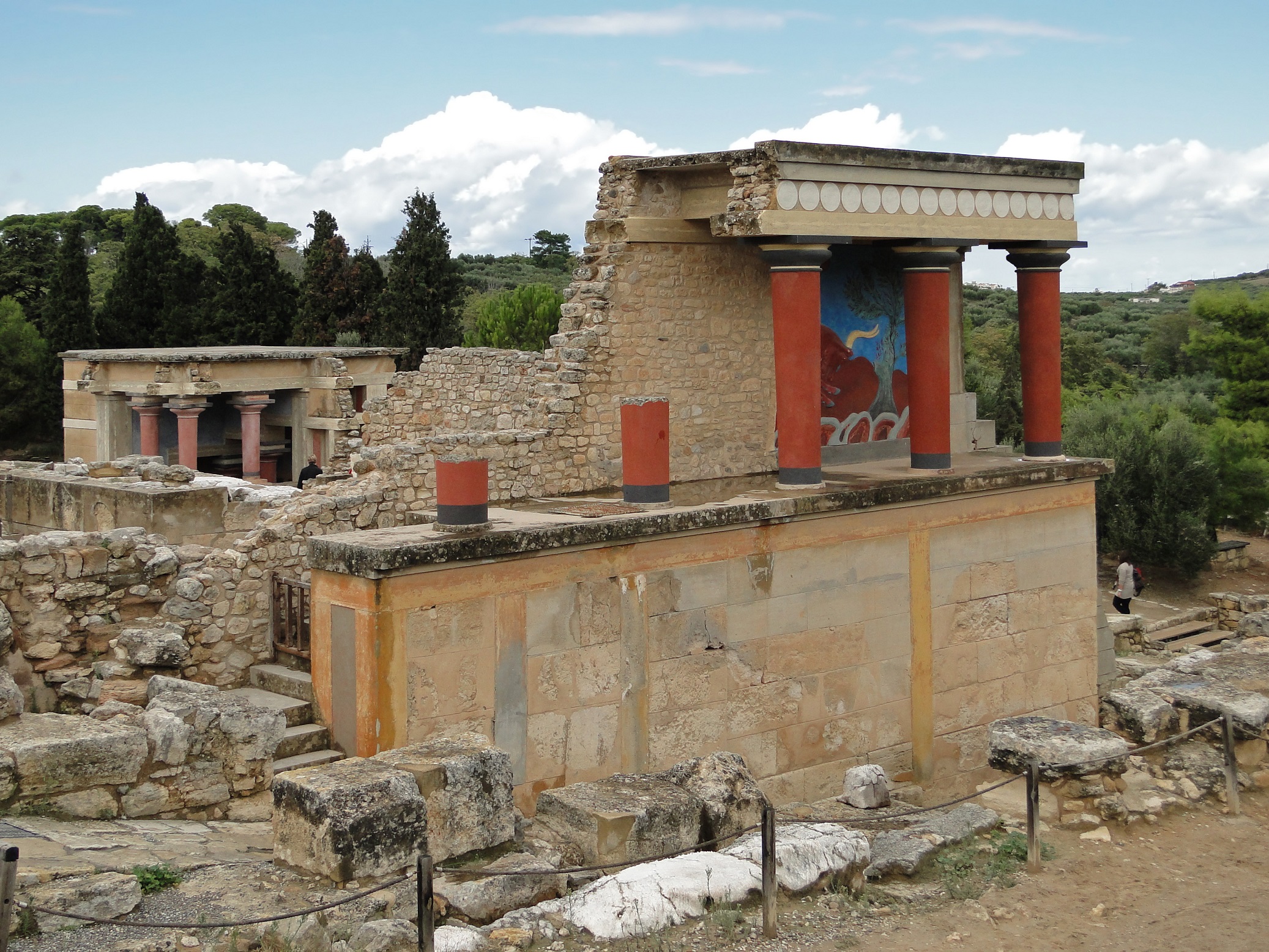
The discovery suggests that not only did this spectacular site in the Greek Bronze Age (between 3500 and 1100 BC) recover from the collapse of the socio-political system around 1200 BC, but also rapidly grew and thrived as a cosmopolitan hub of the Aegean and Mediterranean regions. Antonis Kotsonas, a University of Cincinnati assistant professor of classics, will highlight his field research with the Knossos Urban Landscape Project at the 117th annual meeting of the Archaeological Institute of America and Society for Classical Studies. The meeting takes place Jan. 7-10, 2016 in San Francisco. (more…)
Moe is the founder of GnosticWarrior.com. He is a father, husband, author, martial arts black belt, and an expert in Gnosticism, the occult, and esotericism.