by Moe | Nov 21, 2013 | Apocalypse, History of the Brotherhood
For the first time in the history of the Catholic Church, the Vatican announced this past week that they will be placing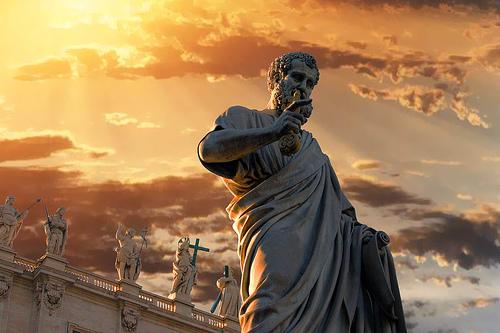 the holy remains of St. Peter on display for the world to witness. The bones of St. Peter were first discovered in June of 1968 in a Roman cemetery in the city of the Vatican. He had died 1,950 years ago and was one of the first Christian martyrs.
Before I continue with the details surrounding this most historic event, I would like to provide you some past history with a quote from Ezekiel 37:1-14, that appears to mention these days. It is known as “The Valley of Dry Bones.”
Then he said to me: “Son of man, these bones are the people of Israel. They say, ‘Our bones are dried up and our hope is gone; we are cut off.’ 12 Therefore prophesy and say to them: ‘This is what the Sovereign Lord says: My people, I am going to open your graves and bring you up from them; I will bring you back to the land of Israel.
I believe this event is significant due to the fact that there are signs in the bible, such as the one I quoted above that relates to the land of Israel and the bones. St Peter had said when speaking to the Jews; “the times of refreshing shall come, as in that these dry bones represented the whole house of Israel, and that as the dry bones were made to live, so the time shall come when dispersed Judah and outcast Israel shall be converted to God and live. This is the time of which St Peter speaks of; “the time of reanimation, or the refreshing, and the Times of the Restitution of all Things, (A8s iii. 21.).” This is connected to the prophecy with the second advent of Christ where it is written; “there shall come out of Zion the deliverer, and shall turn away ungodliness from Jacob.”
DETAILS ABOUT THE ANNOUNCEMENT OF ST. PETER’S BONES
The bones of St. Peter will go on display November 24th. They will be displayed in St Peter’s Square at a Mass celebrated by Pope Francis to conclude the Year of Faith.
Last week, Archbishop Rino Fisichella, president of the Pontifical Council for Promoting New Evangelization; wrote that the Catholic faithful making a pilgrimage to St. Peter’s tomb to mark the end of the Year of Faith will enjoy “the exposition … of the relics traditionally recognized as those of the apostle who gave his life for the Lord on this spot.”
According to the Guardian, Fisichella said the decision to display the relics was not to spark debate over their authenticity.
He said the bones hold “symbolic” and “underlying theological value” despite what any scientific tests may show.
“For the first time, the relics of the apostle will be displayed for the veneration of believers.(1)
RELATED HISTORY AND CURRENT WORLD WIDE EVENTS
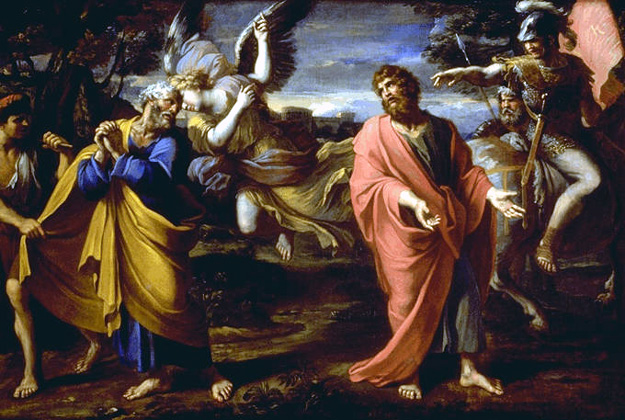 These announcements fall close to the day of dedication for the churches of SS Peter and Paul at Rome which was on November 18th. It took over 100 years to build St. Peter’s Basilica and was consecrated on November 18, 1626 by Pope Urban VIII. It is the largest Catholic Church in the world, holding over 60,000 people.
The First St. Peter’s had been erected by Constantine in about 315 c.e. to honor the bones of Peter. On November 18, 326, the church was consecrated by Pope St. Sylvester in presence of the Emperor Constantine and Court on November 18, 324.(2)
The date that they will display the bones is the 24th of November, which has a connecting thread to history with the year 380 A.D. when Roman Emperor Theodosius I had made his adventus, or formal entry into Constantinople. The adventus was a military ceremony in ancient Rome, in which an emperor was formally welcomed into a city, either during a progress or after a military campaign, often (but not always) Rome. Theodosius I (Latin: Flavius Theodosius Augustus;11 January 347 – 17 January 395), also known as Theodosius the Great, was Roman Emperor from 379 to 395. Theodosius was the last emperor to rule over both the eastern and the western halves of the Roman Empire. (Wikipedia)
His social transformation was a pivotal, if under-recognized, milestone in European history, it parted with the Roman slavery and inaugurated a feudal society.
In addition, these connections in time with the beginning of Roman dominion and a feudal society, we have matching dates with biblical passages that refer to the Son of man; these bones are the people of Israel coupled with the Vatican’s announcement on St. Peter. Last but not least, there is also next week’s historic summit between Pope Francis and Russian President Vladmir Putin. An event, that is marked as the most important meeting between Rome and Russia in a quarter of a century.
The Catholic New Agency Reports:
Rome, Italy, Nov 11, 2013 / 03:48 pm (CNA).- Pope Francis will meet with Russian President Vladimir Putin on Nov. 25 at the Vatican, according to the director of the Holy See’s Press Office, Father Federico Lombardi.
On the following day, the Pontiff will meet with the President of Italy, Giorgio Napolitano.
The first meeting between Pope Francis and the Russian president comes after the Holy Father sent Putin a letter on Sept. 5, at the opening of the G-20 summit, calling on the group’s leaders to set aside the “useless” search for a military solution to the conflict in Syria and to pursue a peaceful resolution through dialogue and negotiation.
In February 2011, Russian President Dmitry Medvedev had a half hour meeting with Benedict XVI at the Vatican, which was two years after Russia had established full diplomatic relations with the Holy See in 2009, and just this year in May, Russia had appointed an ambassador to the Holy See.
ST PETER IN THE CHURCH 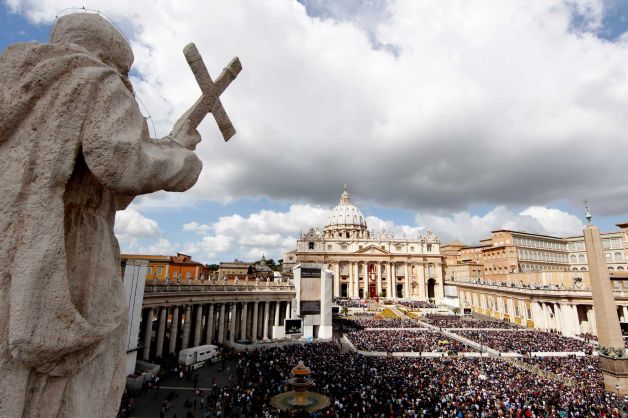
The English Peter is derived from the Latin “petra”, from the Greek word πέτρος (petros) meaning “stone” and also Father. Peter is the Rock, which the Catholic Church was built. This is confirmed by Jesus Christ who had said; ‘Thou art Peter (Petros), and upon this Rock (Petra) will I build my Church.’ Saint Peter would be the Father of the Catholic Church via the New Testament, and his predecessor was King David; the Father of the Old Testament. These facts are described by Saint Bede who had written;
‘Thou art Peter, and upon this Rock from which thou didst receive thy name, that is, upon Me Myself, I will build My Church. Upon this perfection of faith which thou didst confess I will build My Church, and if anyone turns aside from the society of this confession, even though it may seem to him that he does great things, he will not belong to the building which is My Church,;: [“Homily I.165, Aftr Epiphany,” Homilies on the Gospels,Bk. One. 163.]
As I mentioned above, St Peter when speaking to the Jews had said, “the times of refreshing shall come”. “The time of reanimation, or refreshing,” which is connected in prophecy with the second advent of Christ,’ as it is written; “There shall come out of Zion the deliverer, and shall turn away ungodliness from Jacob.”
It is in Ezekiel 37:1-14, the prophet is shown “The Valley of Dry Bones;”
The hand of the Lord was on me, and he brought me out by the Spirit of the Lord and set me in the middle of a valley; it was full of bones. 2 He led me back and forth among them, and I saw a great many bones on the floor of the valley, bones that were very dry. 3 He asked me, “Son of man, can these bones live?”
I said, “Sovereign Lord, you alone know.”
Then he said to me, “Prophesy to these bones and say to them, ‘Dry bones, hear the word of the Lord! 5 This is what the Sovereign Lord says to these bones: I will make breath[a] enter you, and you will come to life. 6 I will attach tendons to you and make flesh come upon you and cover you with skin; I will put breath in you, and you will come to life. Then you will know that I am the Lord.’”
So I prophesied as I was commanded. And as I was prophesying, there was a noise, a rattling sound, and the bones came together, bone to bone. 8 I looked, and tendons and flesh appeared on them and skin covered them, but there was no breath in them.
Then he said to me, “Prophesy to the breath; prophesy, son of man, and say to it, ‘This is what the Sovereign Lord says: Come, breath, from the four winds and breathe into these slain, that they may live.’” 10 So I prophesied as he commanded me, and breath entered them; they came to life and stood up on their feet—a vast army.
Then he said to me: “Son of man, these bones are the people of Israel. They say, ‘Our bones are dried up and our hope is gone; we are cut off.’ 12 Therefore prophesy and say to them: ‘This is what the Sovereign Lord says: My people, I am going to open your graves and bring you up from them; I will bring you back to the land of Israel. 13 Then you, my people, will know that I am the Lord, when I open your graves and bring you up from them. 14 I will put my Spirit in you and you will live, and I will settle you in your own land. Then you will know that I the Lord have spoken, and I have done it, declares the Lord.’”
SOURCES:
1. Pilgrim-walks in Rome: a guide to the holy places in the city and its vicinity By Peter Joseph Chandlery
2. IB Times
3. All Open Source linked to in yellow and Wikipedia
Moe is the founder of GnosticWarrior.com. He is a father, husband, author, martial arts black belt, and an expert in Gnosticism, the occult, and esotericism.
by Moe | Nov 20, 2013 | DNA, Gnosis
The reason I often talk about DNA, blood, and my ancestors is because I’m very interested in where my ancient family had  come from and where they have been. This DNA leaves me a trail of clues to search for the truth of my true origins. It helps me get educated, not only on who they were and what they had done, but it also assists in helping me understand who I Am and why I do the things I do.
This research is really some of the most soul fulfilling stuff that I have ever done in my life. I really suggest that some of you do the same kind of research into your own DNA. If you need help, please shoot me an email or comment here.
You see, maybe like you, I really do not have many “real friends” to discuss these subjects with, other than my beautiful wife whom is my biggest fan. She is awesome and I absolutely love talking to her, but having a blog helps me reach other individuals around the world who may also care about what I have to say, and others who may at least be interested in some of the topics I write about. In addition, I want to know if I’m right or wrong so I can be challenged by anyone out there in the world, since there is not a soul other than mine or my wife that I can bounce or debate these ideas off of.
Yes, I’m a loner and introvert as well. Two traits that actually serve me well in this dog eat dog world.
My motives are simply self discovery and truth about the past, since I have been lied to since birth. Both advertently and inadvertently. My work is NOT about me, but just the truth and knowledge. If you think it is, then you are falsely judging me based on your own views of the world, in which you are falsely projecting on me. Hence, this is about my Gnosis and not yours, which most people, even self-proclaimed modern Gnostics do not understand. These articles I write about DNA, blood, and my ancestors more often than not, only makes me more enemies that I do not wish to have, nor offend, but it is what it is and all I can do is keep following my heart and yes, my blood. A heart that has been ripped from my soul, and all I wish to do is unite the two in holy matrimony.
The reason I publish my research and Gnosis is so others can learn from what I have done, or at the very least, I can give you some good ideas on how to achieve your own Gnostic Warrior life. The path to Gnosis is never easy, and the only true way to attain it is through your own hard work, blood, a good heart, and knowledge of the right subjects that fit your exact DNA profile. Yes, there are those words blood and DNA again….
I do not do write these articles to say, “Hey look at me or hey look at my ancestors.” To think that way of me is understandable because it may appear like this to an outsider judging me or someone of another race. But the facts are, that is just “their opinion,” and in the end, it is only an opinion based on their ignorance of my heart.
This false opinion about my work is simply not true and they do not know me or my motives. This is why I just like to hang out with my wife and kids who love me unconditionally and do not judge me by my every word or breathe. 99% of humanity will not love me unconditionally. Hence, why I like to be a loner with a blog and podcast 😉
Moe is the founder of GnosticWarrior.com. He is a father, husband, author, martial arts black belt, and an expert in Gnosticism, the occult, and esotericism.
by Moe | Nov 18, 2013 | DNA, History of the Brotherhood, Uncategorized
The Kohen (Cohen, Kohain; Hebrew: כֹּהֵן, plural כֹּהֲנִים Kohanim or the English Koan) come from the YDNA Haplogroup 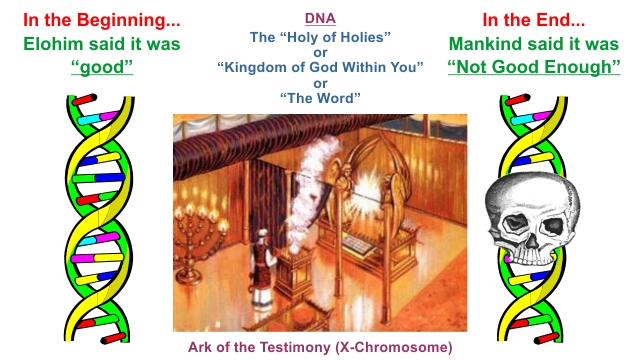 E-M215 (formerly E3b1a) and also haplogroups J1 and J2. For the purpose of this article, I will focus on the E-M123 haplogroup, that I believe is the Kohanim Levite branch of the original priesthood from the island of Kos (Now Dia) who had separated from the other Tribes of Israel at the time of the destruction of the Temple.
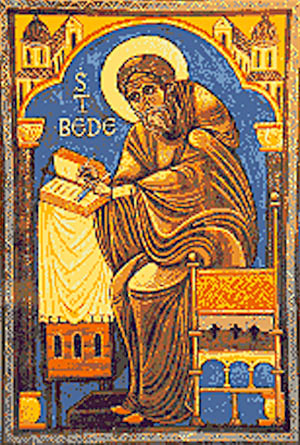 This is when the Kohanim Levites were absorbed or taken over by the Roman Empire under the leadership of Augustus Caesar in the 1st century. These events can now be tracked by historical accounts, artifacts and DNA. One of these accounts comes from one of the most famous Doctors of the Catholic Church and also the Father to English History, the Venerable Saint Bede (Beda). Bede had written on the Levites being connected to the Catholic Church in his book, “On Ezra and Nehemiah;” “Allegorically, the Levites represent those attached to the Catholic Church.” Hence, Bede is clearly stating that the Levites had become attached to the Catholic Church; I believe this happened when the Tribes of Israel were separated during the Exodus from their original homelands. This is why you can find the DNA of the Kohen Levite, which spread around the world in all the same cities where the Romans had conquered and rebuilt their empires.
This is also explained in several places in the bible, such as in the Book of Genesis, where the third son of Jacob is the founder of the Israelite Tribe of Levi. Hence, this would make Joseph the lawful founder of the Levites; for whom King David said, “None ought to carry the ark of God, but the Levites; for them hath the Lord chosen to carry the ark of God, and to minister unto him for ever.” Also, when Joshua led the Israelites into the land of Canaan, the Levites were the only Israelite tribe that received cities, but were not allowed to be landowners “because the Lord, the God of Israel Himself is their inheritance” (Deuteronomy 18:2). (Wikipedia) In the Book of Malachi, God explains why he chose the Levites to be his priests. This would make sense, since the high priests for judgment of the New Testament are the Levites. The root in Hebrew means “to join,” to “‘ bind ” (see Lui-than “snaky-monster “).
When the land of Israel was apportioned among the tribes in the days of Joshua, the Tribe of Levi, being chosen as priests, did not receive land (Joshua 13:33, (14:3). However, the tribe of Levi were given cities. Six cities were given to the tribe as refuge cities for all men of Israel, which were to be controlled by the Levites. Three of these cities were located on each side of the Jordan River. In addition, 42 other cities (and their respective open spaces), totaling 48 cities were given to the Tribe of Levi. (Numbers 35).
This is very important in understanding, that out of all the Tribes of Israel, it was only the Levites that received cities. Some of these cities I believe are Sicily and Venice. It is also important to understand, who were Levites in the bible, and who were not. For example, some of the most important biblical people were Moses and his brother Aaron, who were both Levites. The descendants of Levi, the son of Jacob. (LEW (1).] He had three sons: Gershon or Gershom, Kohath, and Merari (Gen. xlvi. 11 ; Exod. vi. 16: Numb. iii. 17; 1 Chron. vi. 10, 43). Moses and Aaron were the grandsons of Kohath, and the great grandsons of Levi (Exod. vi. 16, 18, •JO, 2G). Gershon, Kohath, and Merari all founded families, but a certain prominence attached to the Kohathites, from whom the leaders of Israel at the critical period of the departure from Egypt had sprung (Numb. iv. 1-40);
The descendants of Aaron, who was the first kohen gadol; high priest of Israel, who were designated as the priestly class, the kohanim. In Egypt, the Levites were the only tribe that remained committed to God. During the Exodus, the Levite tribes were particularly zealous in protecting the Mosaic law in the face of those worshipping the Golden Calf, which may have been a reason for their priestly status. As such, kohanim comprise a family dynasty (although people claiming to be kohanim have many haplogroups) within the tribe of Levi, and thus all kohanim are traditionally considered to be Levites, but not all Levites are kohanim. (Wikipedia)
The Levites had helped form the original Catholic Church and many of the first Levites had also assisted in the writing of the New Testament.
KOHANIM LEVITE DNA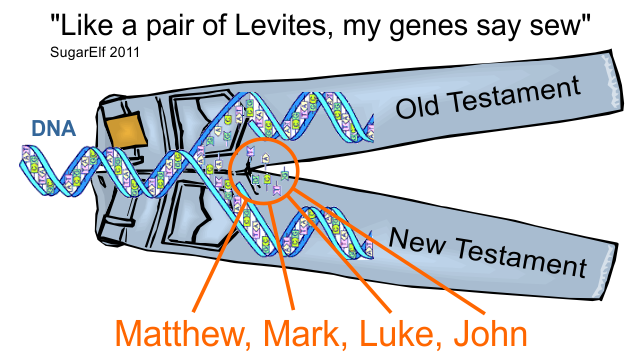
I’m a Kohen of Levite decent and I’m from the United States of America. My DNA was tested in 2011, which told me that I come from the Haplogroup of E1b1b1c; E-M123, which is found scattered widely in Europe, America, Greece, North Africa and the Middle East. You can see proof of my DNA test by clicking here if you like.
This haplogroup is quite common in many Semitic language communities, including among both Ashkenazi and Sephardic Jews, accounting for over 10% of all male lines (Semino 2004). Shen et al. (2004) found 10 out of 169 Israelis and Palestinians of various ancestry to be M123+ and M34+, with the highest level group being 4 out of 20 Israeli Jews of Libyan ancestry.
Semino et al. (2004) reports relatively high levels of 13% in the Albanian community of Cosenza, in Calabria. The ancient town is the seat of the Cosentian Academy, the second academy of philosophical and literary studies to be founded in the old Kingdom of Sicily (1511), and one of the oldest in Europe. There is a Kohanim Levite connection in Sicily, where E-M123 was found by Di Gaetano et al. (2008) to have 4.66% overall in their 236 person study of Sicily, and with higher levels in the east of the island. They found none in Trapani (33 people), Alcamo (24 people), and Cacamo (16 people), along the west of the north coast; 3.23% in San Ninfa (31 people), inland in the west; 3.57% in Sciacca (28 people) and Ragusa (28 people), along the south coast. Also, high levels in the east in Troina (10% of 30 people), Piazza Armerina (10.71% of 28 people), as well as near the Southwestern extreme facing Africa at Mazaro de Vallo (11.11% of 18 people). (Wikipedia)
After the fall of the Western Roman Empire, Troin was a Byzantine stronghold, and during the Islamic period, the religious and moral capital of the Greek and Christian orthodox part of Sicily; Roger I of Sicily had in its castle (which he captured in 1061) also a start base of his conquest of the island. (Wikipedia)
A notably high regional frequency for E-M123 was also found in Oman, where it is apparently the dominant clade of E-M35. The reason a high percentage of Kohanim DNA is found here, is because the Parthian Empire was friendly with the Greeks, and especially under the Arsacid dynasties. An inscription from this time period shows Heracles and the inscription, ΒΑΣΙΛΕΩΣ ΜΕΓΑΛΟΥ ΑΡΣΑΚΟΥ ΦΙΛΕΛΛΗΝΟΣ; “Great King Arsaces, friend of Greeks“. (Wikipedia) They always had a large Jewish community here in the Parthian Empire, and I assume many Kohanim Levites as well. Later the Parthians would also develop a friendly relationship with Rome in the time of Augustus, that had thrived here for centuries before the Persians had conquered the empire in the 7th century A.D. under the banner of Islam that had taken control of these lands.
Here is what FamilyTreeDNA has to say about these haplogroups:
The E haplogroup has been observed in all Jewish groups world-wide. One of its major subclades, E1b1b (formerly E3b) is considered to be the 2nd most prevalent haplogroup among the Jewish population.
According to one major paper, Contrasting patterns of Y chromosome variation in Ashkenazi Jewish and host non-Jewish European populations E-M35, which defines the E1b1b1 (formerly E3b1) haplogroup, is considered to be the second highest, next to J, for “Founding Jewish Lineages” in Europe. It is found in moderate amounts in all Jewish populations, from Ashkenazi, Sephardic, Kurdish, Yemen, Samaritan and even among Djerba Jewish groups.
The Samaritan Kohanim belong to haplogroup E1b1b1a (formerly known as E3b1a).
Samaritans:
Their findings reported on four family lineages among the Samaritans: the Tsdaka family (tradition: tribe of Menasseh), the Joshua-Marhiv and Danfi families (tradition: tribe of Ephraim), and the Cohen family (tradition: tribe of Levi). All Samaritan families were found in haplogroups J1 and J2, except the Cohen family which was found in haplogroup E3b1a-M78.[7] This article predated the E3b1a subclades based on the research of Cruciani, et al.[8] The Samaritan Cohen family were Levites until the previous Cohen family died out around 1700, so the fact that they don’t share CMH is expected. These findings may offer more proof that E1b1 was one of the founding lineages of the Levites.
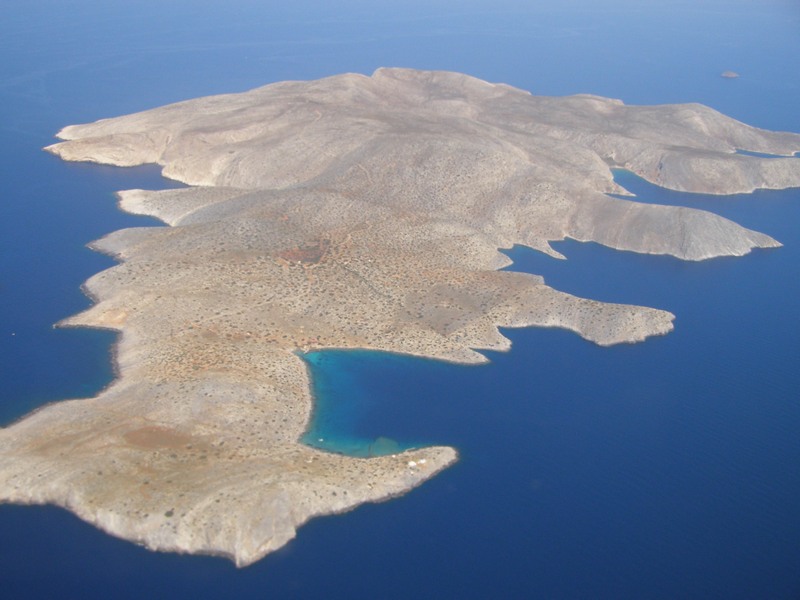 THE ANCIENT ISLAND OF THE KOHEN
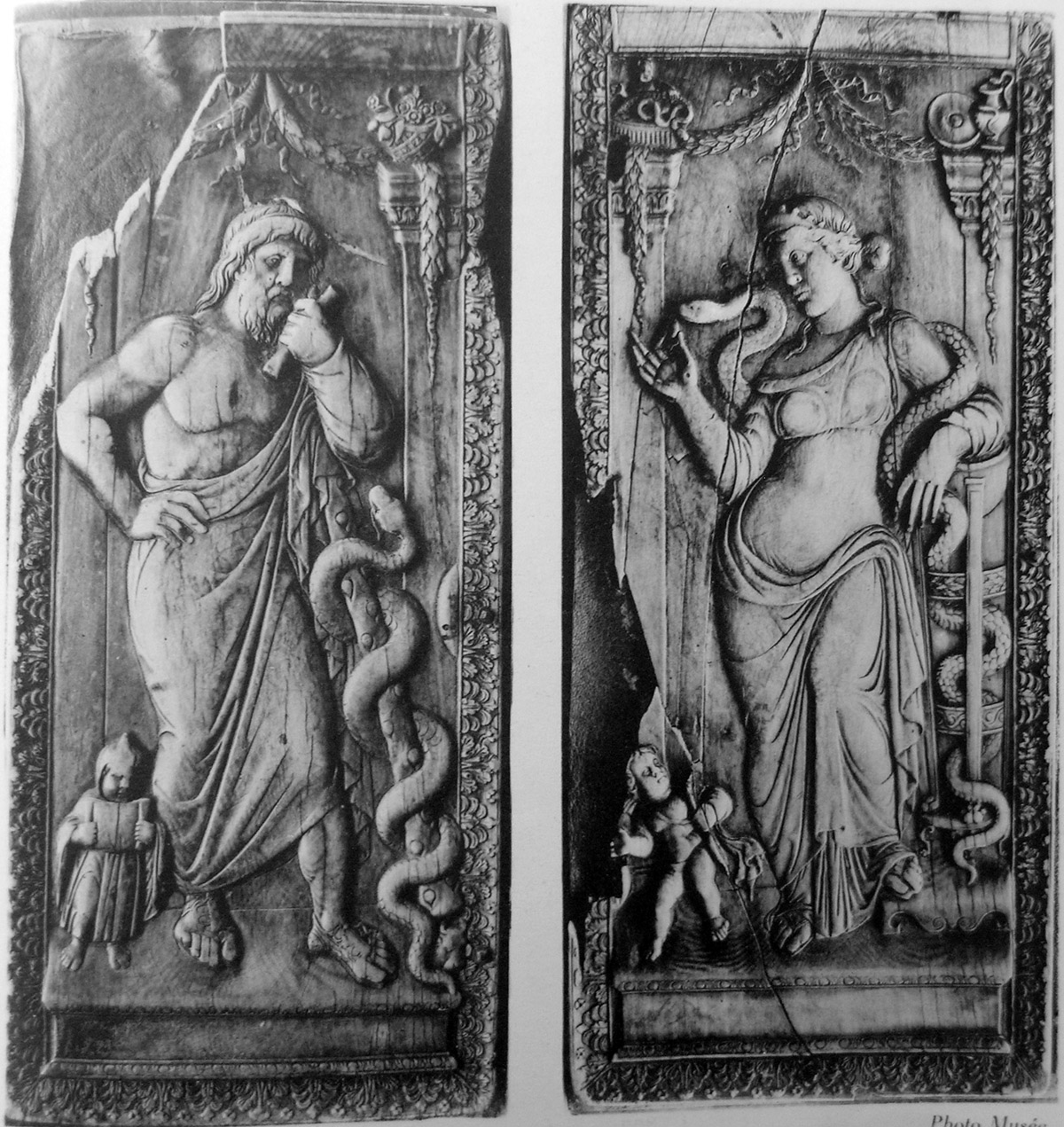
The name Kohen is the Hebrew spelling of the original Greek word, which is also the current English spelling of “Koan or Coan.” The name simply means ‘priest’, and Kohanim is plural. Hence, before they were called the Kohanim, they were simply known for centuries as the “Koans of Kos.” Some of the most famous people in ancient history, such as the Father of Medicine, Hippocrates, and the Greco-Egyptian Pharaoh, Ptolemy II, come from the family of the Kohanim.
The key to understanding the story of the Kohanim Levites, is to study where they had originally come from. To get up to speed on who the Kohanim were, and where they had lived for many centuries, I suggest you read my previous articles, The Origins of the Kohen Priesthood, Dragon Isle: The Kohen of the Lost Island of Dia, The Royal Purple Silk Prostitute, and The Lost Priesthood of the Kohen. To give you a quick brief summary, they are an ancient family who originally hail from a small island located in the Mediterranean Sea just 7 miles across from Crete, and that today is called Dia. Now the island is completely uninhabited, but at one time, it was one of the most famous and busy islands in all the world. Back then it was known as “Kos (Cos, Coos, Ceus, Letos, Zia etc.)”, and the name was changed several times over history, with the most recent to Dia well after the Romans had conquered or had absorbed their kingdom of the Kohanim Levites into the Republic prior to the 1st century. It was simply known as Kos for approximately 1,000 years from around 550 B.C. through 500 A.D. or later.
KOHEN DNA CAME TO CRETE AND DIA (KOS) FROM THE EAST, IN ETHIOPIA AND EGYPT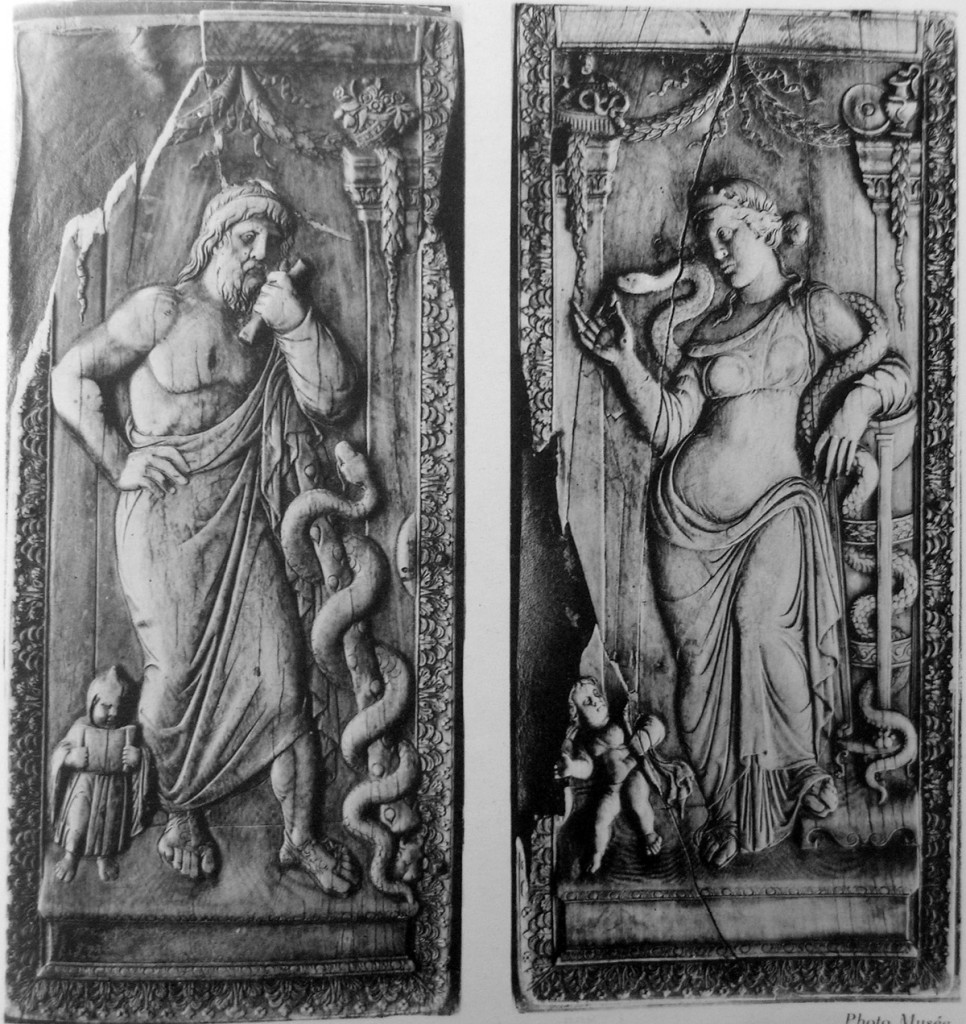
It is likely that this DNA haplogroup had migrated to the island of Dia (Kos) via Egypt, and previously Ethiopia where this DNA can still be found. There are many stories told of the Priests known as the Curetes. According to Diodorus Siculus, the Curetes lived in the time of Rhea; Herodotus and Strabo both had said that the Curetes were originally Phoenicians who accompanied Cadmus (Kadmos or Kadmos) out of Phoenicia. Strabo had written, that these are the names of the various groups known as the Curetes (Kuretes), Corybantes, Dactyls, Cabiri, and Telchines, which are names that are often used interchangeably with one another. I had written about the Telchines and the island of Crete in my article, Crete: The Lost Island of Atlantis;
Herodotus had said that the Curetes had come to Crete with the Phoenician, Prince Cadmus. In Latin, Crete is called “Cappadocia or Cappadocian”; who were known as a large tribe of the Magi, and are also called fire-kindlers. Herodotus tells us that the name of the Cappadocians was applied to them by the Persians, while the Greeks had simply called them “Syrians” or “White Syrians.” The Latin name of the Cappadocians were known as “the men of Caphtor”, and who we can call today, “the men of Crete.”
This DNA haplogroup is also been said to be Phoenician, and even on my DNA certificate, it says that is one of my tribes. The word Cadmus, in Hebrew signifies “One who came from the East.” He was a Phoenician Prince who was the founder of the Ancient City of Thebes, and the first to introduce letters to the Greeks. Hence, the Curetes would be the descendants of the Ancient Priesthood of Thebes who were of a distinct race called the Phoenicians who had come from the East into the West, to the island of Crete and Dia (Kos)where they would continue their religious rites and ceremonies under new Gods and Goddesses imported with them from Egypt.
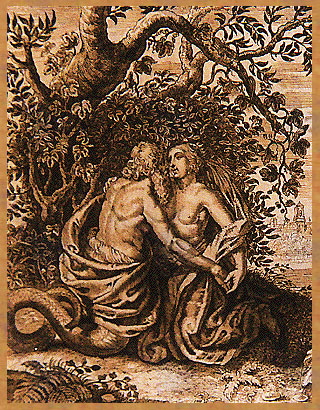 In other history, these people were also known as the Boetians, Cadmeans, Dorians and Spartans. In the Talmud, the Samaritans are called Cutheans (Hebrew: כותים, Kutim). The Cutheans were from ‘Cuthah’, which was one of several cities from which people were brought to Samaria. A colony of Cutheans (Samaritans) had settled in Crete, whose priests were the ancient Curetes, and in the bible, the Kohanim Levites. As I stated above, the island we know of as Crete today, was called Keftiu and Kaftor in the Ancient Egyptian texts, or Caphtor in the Old Testament.
As you can see, the many stories and various names can make this research very confusing and unintelligible for some people. But if you are a fellow Kohen who is actually from the same DNA haplogroup, it should not be that difficult because it is built within your blood via Gnosis. However, for the sake of everyone and for this article, I will mainly focus on the Kohanim Levites from the island of Dia (Kos).
THE KOHEN OF DIA (KOS) ARE TAKEN OVER BY ROME 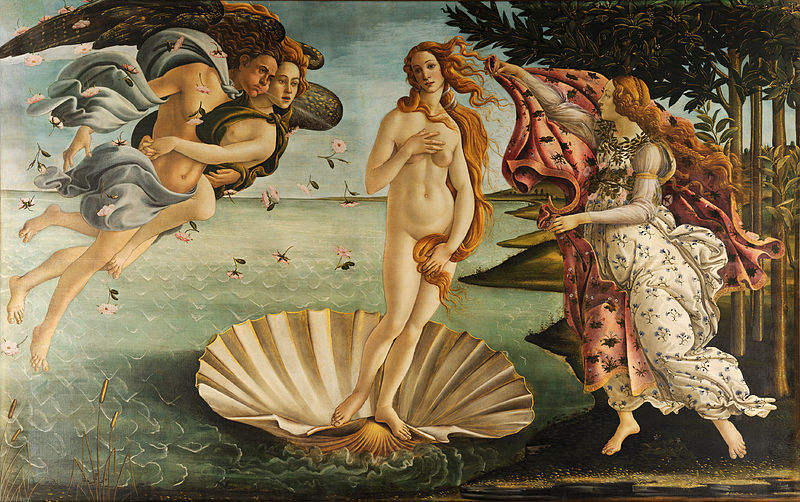 AND GIVEN SPECIAL CITIZEN STATUS IN THE REPUBLIC
This new name of the island of Dia is derived from the Roman Goddess, Diana which is modeled after the Goddess named Aphrodite. They are all deviations of the Goddess Venus who embodies love, sex, seduction, beauty, and the goddess of prostitutes. The name Venus is derived from venus, meaning “sexual love” and “sexual desire.” The key in understanding the significance of the name change, is because at the time when Rome had conquered the Kohen of Kos, Augustus Caesar had taken their chief ornament of Venus rising from the sea from the island, to Rome. In doing so, he had given the Kohanim Levites special citizen status in the Roman Empire. This is also mentioned in the time of Emperor Claudius, who in 53 A.D. granted the Tribe of the Kohanim Levites immunity from taxes.
These events with Rome are paramount in tracking this family and their DNA after they had abandoned the Island of Dia (Kos). This is the exact reason why their DNA can be found widely around the world, and often near Roman settlements. What happened, is after they were conquered by the Romans around the 1st century, thereafter they were absorbed into various sections of the Roman Republic because of their talents and extreme wealth. Not only were they the 1st people in history given special tax-free service in Rome, but their priesthood was chosen as the only priesthood that would be accepted into Rome; the Kohanim would play a large role in forming the Roman Priesthood and government. These facts can be proved by both historical accounts that I have listed in many of my previous articles, and now also by DNA science.
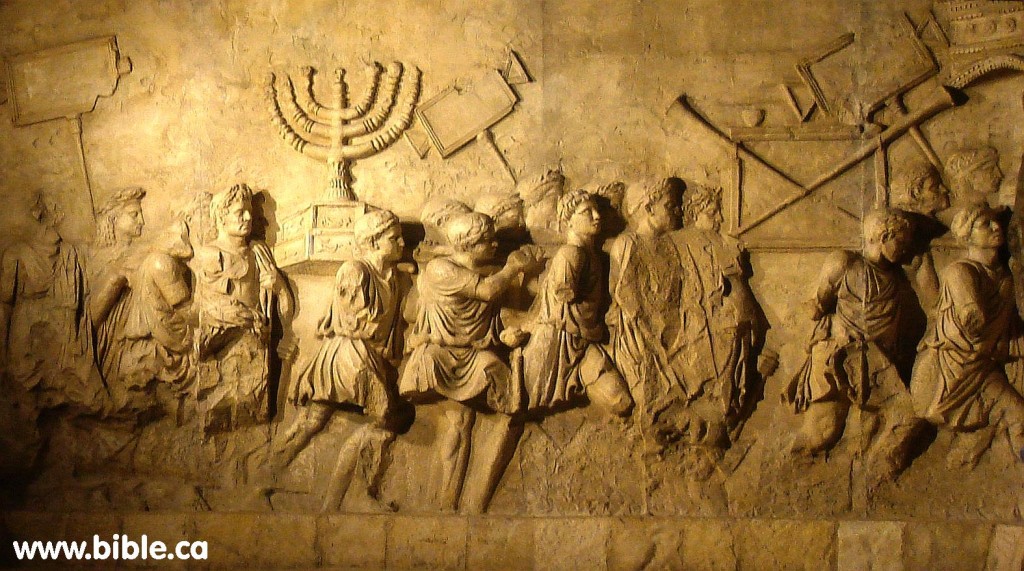 THE EXODUS OF THE KOHEN FROM DIA AND THE DNA THEY LEFT BEHIND
Before the Kohanim were taken over or absorbed into Rome, they were well-known as an educated people who were in high demand around the world. Their arts and inventions were needed by various government officials, such as in Athens and Rhodes, so they would often travel and be hired to handle various tasks set forth by their employers. Examples of these Kohen would be Prodicus (Greek: Πρόδικος, Pródikos; c. 465 BC – c. 395 BC), a Greek philosopher, who was part of the first generation of Sophists who went to Athens as an ambassador from Dia 9Kos); he became well-known as a speaker and a teacher. There is Philitas (340 – 285 BC), who was a scholar and poet during the early Hellenistic period of ancient Greece, and in the second half of the 4th century BC was appointed tutor to the heir to the throne, Ptolemy I of Ptolemaic Egypt. In addition, another Kohen of Kos who left the island and made his influence in another country is Erasistratus of Kos, who was a Greek anatomist and royal physician under Seleucus I Nicator of Syria.
So, a whole 300 years before they were absorbed by Rome, they were already in high demand and traveling around the world to places such as Athens, and the royal courts of Egypt and Syria. This is why it is rather difficult to properly track the DNA of the original Samaritan Kohen, and why it is imperative, that in order to track this tribe, we need to research their original homelands before, and also right after the Exodus from their tiny island of Dia (Kos). This island of Dia (Kos) is now completely uninhabited, so there is no one to test there for DNA. Hence, they had moved from Dia (Kos) a long time ago, and most likely away from Crete as well, because their DNA there is the lowest in all of Greece.
Many of these facts are found in historical accounts, that can also be compared to their specific DNA Haplogroups that were found in the places they had went during their golden purple years and also after leaving their homeland of Dia (Kos). Places we can study, such as Rhodes and Dia (Kos) which were the great Dorian islands, and also Thessaly. In Italy, they can be found in cities such as Rome, Sicily and Venice, and also throughout Europe in places such as Ireland, Britain, England, Scotland, and many other countries. Their DNA footprints in these locations is small, but their influence has always been huge.
In Greece, the most dominant DNA haplogroup is E1b1 and is found all around the Mediterranean Sea. I had written about this fact in my article, Greek YDNA haplogroups. This is the reason that in recent DNA tests, 1038 samples confirms that the Greeks tested were;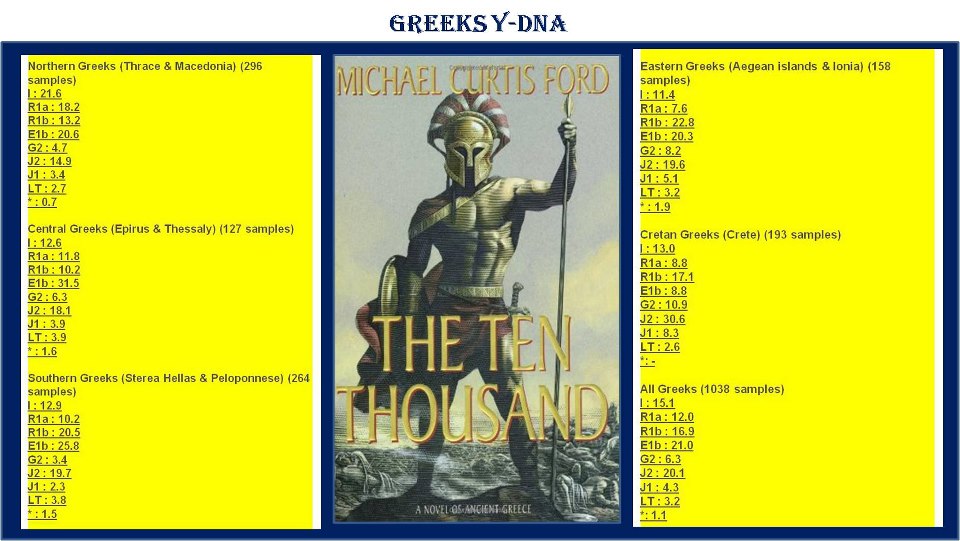
The overall DNA results for all of Greece were as follows:
I : 15.1
R1a : 12.0
R1b : 16.9
E1b : 21.0
G2 : 6.3
J2 : 20.1
J1 : 4.3
LT : 3.2
*: 1.1
The highest DNA Haplogroup was E1b1b, and it was found in high concentrations in cities such as Thessaly @ 31.5%, and also at Hellas and Ionia. It is at these same locations, where science is confirming this haplogroup, along with history, which also confirms that the Kohanim were a huge influence in these exact same places. For example, there have been text found of several decrees of the Kohen from Thessaly, where the national heroes of Dia (Kos), the Temple Asklepiadae, represent Thessaly.
Greek mythology in regards to the Dorians also connects these two places with the Kohen priesthood. There are connections to Ionia and the Kohen, because as I mentioned above, the Kohen were also known as a tribe of the Dorians, and there was a well-known Dorian and Boetian migration and colonization of all these same areas. These events are explained by Herodotus;
Herodotos tells us that Kos and the adjacent islands were colonized from Epidauros, and in this way the old Dorian element was strengthened. The sterner features of the Dorian character were, however, mollified in Kos. The discipline (dyaryi;) of Sparta and Crete is not found there, though the population of the island was purely Dorian, and was divided into the three Dorian tribes, the Dymanes, Hylleis, and Pamphyli. Six of the cities in this region formed a religious league, the Doric Hexapolis. They were, besides Kos, Lindos, Ialysos, Kamiros, Knidos, and Halikarnassos. These states met at the temple of Apollo on the Triopian promontory, to take part in the worship of the god and also in games. Later on Halikarnassos it was expelled, and the Hexapolis became a Pentapolis.
Now with the help of science, we can find DNA haplogroups that place the Dorians and Samaritan Kohen in all these cities in Greece that I had mentioned above, and also in locations that connect them with Rome. We can also verify that they were given special tax and citizen status in Rome, and also possibly cities such as Venice and Sicily where we can also find their DNA at about 6.6%. These two places have seen a strong cultural influence of these people all throughout their governments and arts that can be witnessed to this day. The Venetians would have a strong influence in the area of the Mediterranean Sea, such as when the Venetians had first occupied the island of Crete in 1205 A.D. and took over complete rule of the island in 1212. They had exposed the Greek population there to a new Renaissance and learning like they haven’t seen in centuries. They would rule Crete for approximately 500 years, until 1715 when the Ottomans would invade and take the island jewel from the Venetians.
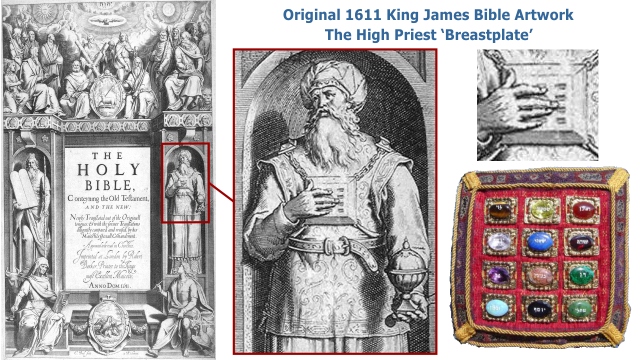 THE KOHANIM LEVITES AND THE CATHOLIC CHURCH
As I mentioned above, the Father of English History and Doctor of the Church, Saint Bede (Beda) had written on Ezra and Nehemiah; “Allegorically, the Levites represent those attached to the Catholic Church.” This fact is imperative in understanding who the Kohanim Levites were, and where they had went. Crucial information, that helps substantiate the history at approximately the same time the Romans had either taken over or absorbed the Kohen kingdom in Dia (Kos) just 7 miles across the sea from Crete. Their special tax status and the historical accounts about the many Kohen Priests from Dia (Kos), helps verify that these are the true Kohanim Levites. We also now have DNA to help match the many places they had migrated to. A science we can now use to match the DNA haplogroup of the many descendants that can be found in these same exact received cities as described in Deuteronomy 18:2, where they had received cities “because the Lord the God of Israel Himself is their inheritance”
My family had originally come to America from Canada, and before they migrated to New France, they had lived in Old France in a city called Paris. Many of them were Saints, Fathers and theologians. One of my ancestors, Noel Beda (Bede) was principal of the College of Montaign there at Paris in 1502, and syndic of the faculty of theology about 1520. He had fiercely opposed the divorce of the Norman king Henry VIII of England, and he had often let his voice be heard in Paris about his disapproval of the divorce. In fact, he upset the king so much, that he was arrested in the year 1530 and then banished to Mont Saint Michel, where he died the following year. Soon thereafter, the Beda name was corrupted and later became Bedard, whose family in the mid 1600’s was part of the first migrants to New France, now known as Canada. This is how some of the Kohen DNA would migrate to North America, and eventually my immediate family to the United States where I now live in the state of California. Today, there are estimated to be 300,000 Levites living now in the United States and another 25,000 in Canada.
This Noel Beda from Paris, I believe to be a direct descendant of Saint Beda who had actually lived and taught in Paris as well. In fact, I believe he had helped found the school there. Saint Bede had written many books that would indicate he was a Levite. Books such as Bede: On the Tabernacle, and Bede: On the Temple, where he was the first Kohen Christian and Catholic to put in writing the relationship of the Old Testament with the Tabernacle, and Solomon’s Temple with the New Testament, in which Solomon’s Temple would be built by living stones composed of both Jews and Gentiles. In the Book of Numbers, the Levites were charged with ministering to the Kohanim (priests) and keeping watch over the Tabernacle.(Wikipedia) These traditions have always been passed from father to son, and this is why Bede was such an authority to be chosen by the priesthood to be the voice of their Brotherhood.
This is why I believe based on Kohanim Levites, that they were the priests of both the Old Testament and the chosen Hebrew priesthood of Rome under Augustus Caesar of the New Testament and the New Covenant. The first Pontifex Maximus or Pope of this 6th Age was Augustus Caesar, who was also considered their anointed messiah because he had saved them and absorbed their priesthood into the Roman religion and government, where their influences can still be seen to this very day. A new law under Rome, in which both Jews and Gentiles would be accepted into the Universal Brotherhood, based on merit and work they had put in for this same said Brotherhood who would help establish the institution we know of today as the “Catholic Church.”
SOURCES:
All Open Source Linked to in Yellow
IMAGES:
Courtesy of Uncle Mikey
Moe is the founder of GnosticWarrior.com. He is a father, husband, author, martial arts black belt, and an expert in Gnosticism, the occult, and esotericism.
by Moe | Nov 17, 2013 | Apocalypse, Meaning of Words
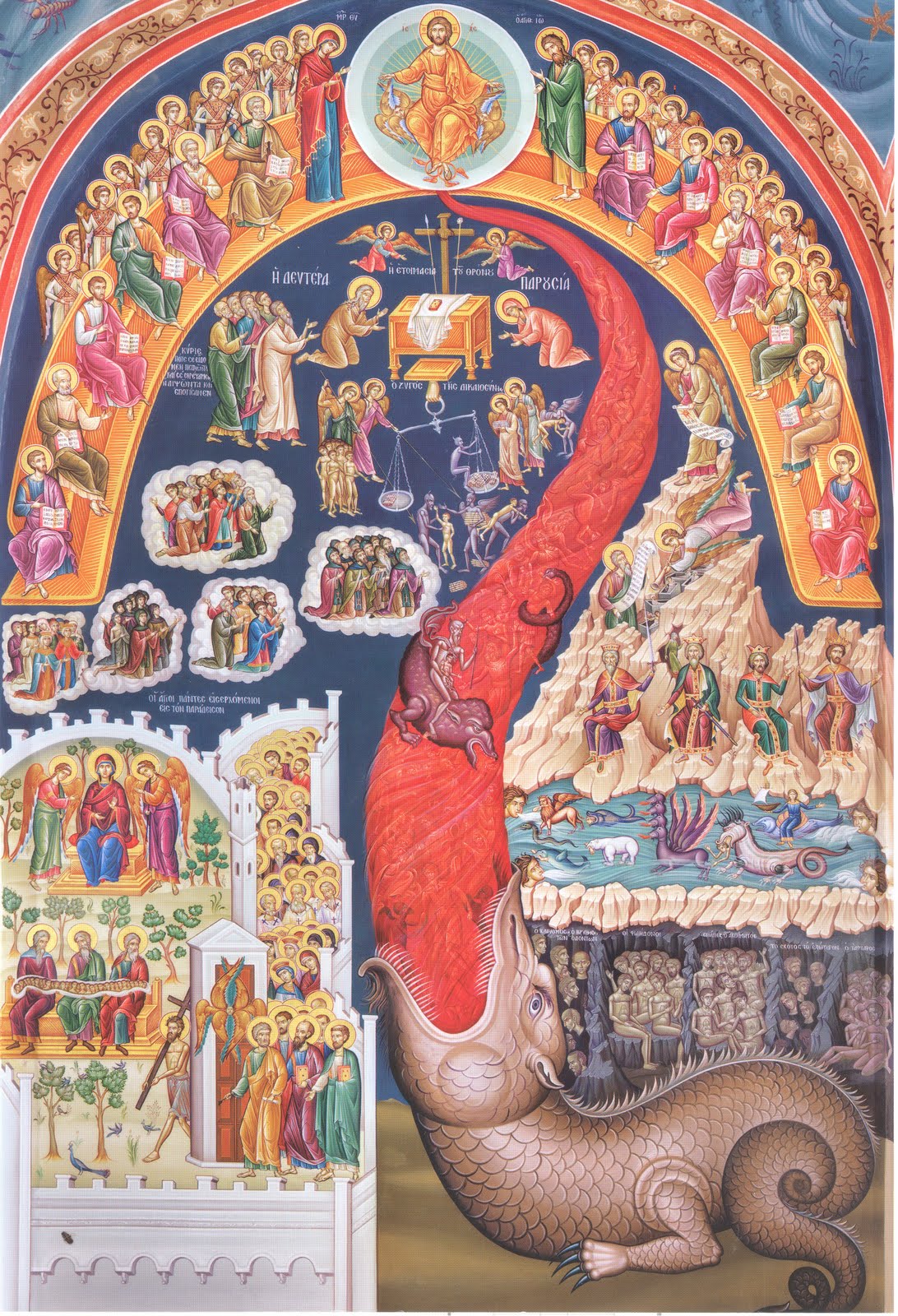
It is nothing but fire, worms, howling, groaning, moaning, and there will be wailing and gnashing of teeth. Yeah, it’s like that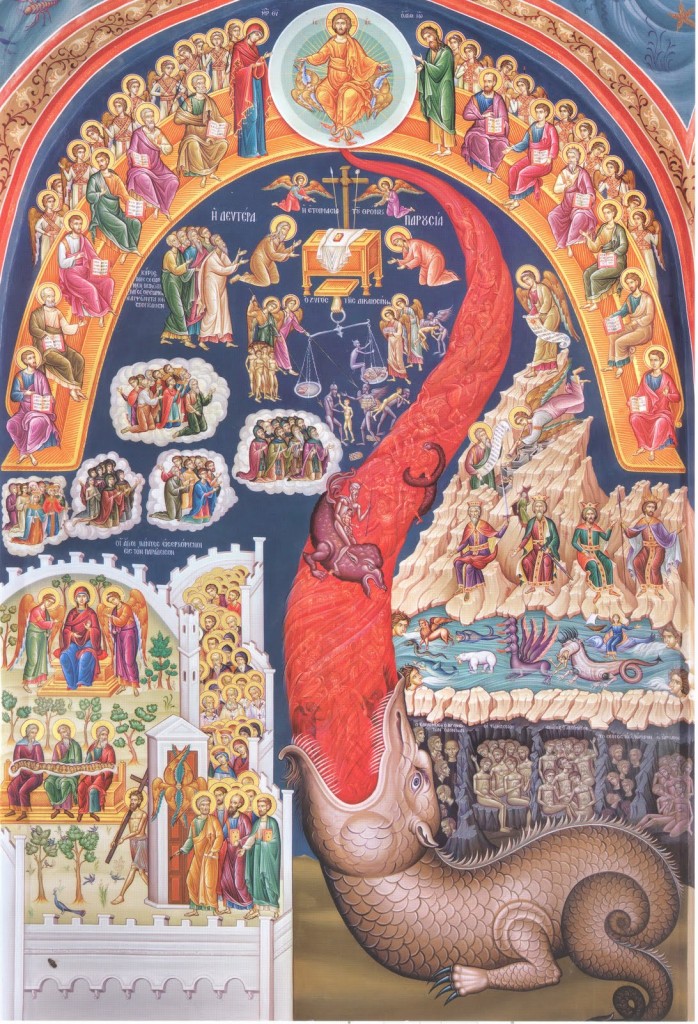 folks and some of you corrupt souls out there better get a spiritual clue or you will also suffer the same mortal fate.
The newly elected Pope Francis seems to stigmatize these Revelation facts just about every week with statements and press releases coming out of the Vatican such as the one by the Pope this past week that truly wreaks of Apocalyptic over tones. Pope Francis had said in a homily last week;
The Pope described people engaged in corruption as “whitewashed tombs”, explaining that “they appear beautiful from the outside, but inside they are full of dead bones and putrefaction”. A life based on corruption was “varnished putrefaction”, the Pope said.
When the Apocalypse of St. John was written many centuries ago, I do not think John had realized that these events would be televised or “go viral” on Minerva’s web. A global Apocalyptic event that seems to be playing out right before our very eyes in a world where the man with one eye is king and those with two eyes are not only blind, they are literal walking obese zombies with rotting carcasses of flesh being eaten by worms as they feed the very beast that is killing them.
It was written that these days we are seeing now would occur and I personally do not think there has been a time in history that can almost perfectly match up to the predictions of John as they are today. A prediction that seems to be coming true with every passing day of darkness as the veil is lifted revealing the truth and light.
WHAT IS VARNISHED PUTREFACTION?
This varnished putrefaction I have written about before here on GnosticWarrior.com such as in my articles, Blood Alchemy: AS WITHIN, SO WITHOUT , Blood Alchemy: Red Blood of Lucifer , and Blood Alchemy: Black Blood of Satan. If you would like to get educated on what the Pope means by these statements and the days we are living in, I suggest you read those articles and many of the other ones I have written on these subjects.
Definition of Putrefaction
is one of seven stages in the decomposition of the body of a dead animal. It can be viewed, in broad terms, as the decomposition of proteins in a process that results in the eventual breakdown of cohesion between tissues and the liquefaction of most organs.
In terms of thermodynamics, all organic tissue is a stored source of chemical energy and when not maintained by the constant biochemical efforts of the living organism it will break down into simpler products. The breakdown of proteins in a decomposing carcass is a spontaneous process but one that is accelerated as the anaerobic microorganisms, already present in the animal’s digestive tract when it was alive, consume and digest the proteins that comprise the creature’s cells. As cells and their proteins are digested, the tissues of the body are left in a weakened state. Proteins are broken down into smaller components and these are excreted by the bacteria.
The excreted components, which include gases and amines such as putrescine and cadaverine, carry the putrid odor associated with a decomposing body. The gases are initially constrained within the body cavities but diffuse through adjacent tissues and into the circulatory system. Once in the blood vessels, the gases can then spread to other parts of the body. The result is visible bloating of the torso and then limbs. The increased internal pressure due to the rising volume of gas also helps to weaken and separate tissues. At some point, some part of the body will rupture, releasing the gas. As the bacteria consume all available proteins, the process of decomposition progresses into the next stage: skeletonization. (Wikipedia)
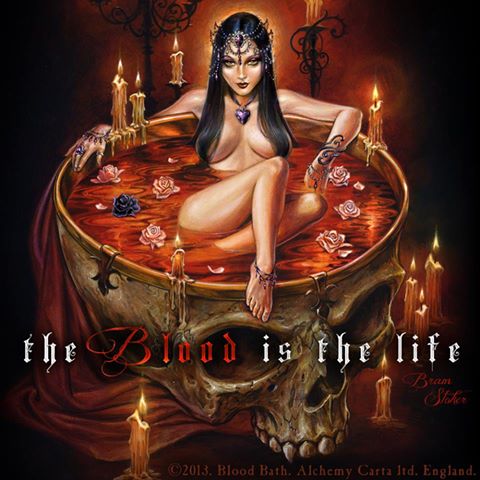 APOCALYPTIC CONCLUSION
When Pope Francis speaks of putrefaction, his statements are as true as the sun shinning in the heavens or the full moon lighting the dark night sky. It’s like that, and when he says the devil is like a lion circling his prey, he is not talking about Simba in the movie the Lion King, but the symbol of the lion that belongs to a specific tribe who is also spoken about in the Apocalypse of St. John such as in the second vision where he sees the four apocalyptic living beings, the lion, the bull, the eagle, and Man, surrounding a throne where sits the spirit of God.
It’s as if we are living in the days after the Crucifixion of Jesus to the time of St. Francis of Assisi who had tattoos placed on his very skin to signify Christ’s wounds corresponding to those left on Jesus’ body after he was crucified. Marks called the ‘stigmata.’ Tattoos that remind you not to live like a beast of the earth, and be more like Jesus so your flesh isn’t eaten by worms or your blood turned to a poisonous gas as your organs liquify to a state of varnished putrefaction.
O, then my best blood turn to an infected jelly – Shakespeare
Listen to the Pope’s homily at this link
Moe is the founder of GnosticWarrior.com. He is a father, husband, author, martial arts black belt, and an expert in Gnosticism, the occult, and esotericism.