by Moe
“Concerning these things will I speak, and these things will I explain unto you, my children: I am Enoch. In consequence of 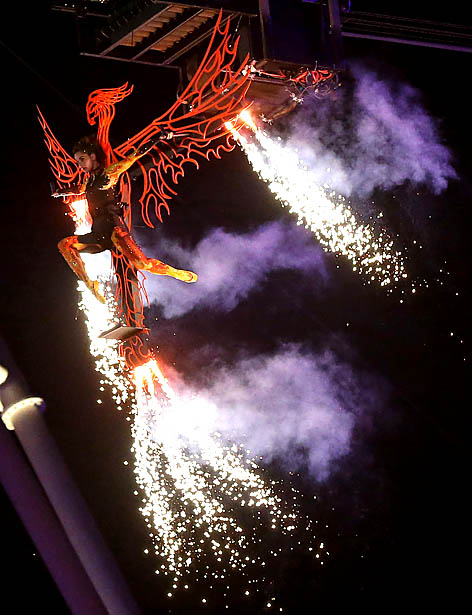 that which has been shown to me, from my heavenly vision and from the voice of the holy angels, I have acquired knowledge, and from the tablet of heaven have I acquired understanding.”- Book of Enoch, Verse III
(Part II of Who were the Nephilim? By Moe) – After the Exodus, Cain had built a city calling it by the name of his son Enoch, or the City of Discipline and Training. His father Cain is known for killing his brother Abel and was cursed seven times over by the Lord. The LORD set a mark upon Cain, lest any finding him should kill him. 1 6 11 And Cain went out from the presence of the LORD. This was the time when Cain had left his homeland and went into the “Land of Nod” on the east of Eden, where he built a city, and called it after the name of his son Enoch.
Enoch (Hebrew: חֲנוֹךְ, Modern H̱anokh Tiberian Ḥănōḵ; Arabic: إدريس ʼIdrīs) was said to be the first-born son of Cain through Seth, and great-grandson of Noah. He is the seventh progenitor of the race in the “book of the generations of Adam.” Enoch was a warrior and a builder of cities. In Mohammedan Literature, he is known to the Mohammedans as “Idris” (the Instructor), a man of truth and a prophet, raised by Allah to a lofty place, and as a model of patience. Baidawi, in identifying him with Enoch, explains “Idris” as indicating his knowledge of divine mysteries.
MEANING OF THE LAND OF NOD
The meaning of the name ‘Nod’ varies depending on the language. For example, in Greek the noun ‘nod’ is spelled “χώρα του ύπνου ουσ.θηλ,” meaning the “land of sleep,” and the verb Nod is spelled “μεταφορικά κουτουλάω (από τη νύστα) ρ.αμ,” which means to fall asleep. Hence, to the Ancient Greeks, “The Land of Nod” refers to the mythical land of sleep, which today in English would be akin to when someone suddenly goes to sleep and “Nods off”. These were the children of Cain who had turned their faces away from the LORD, love and light in the garden of Eden of the East (Right brain Spirit, Reason and Love), and were cursed to be wanderers in the West (Left Hemisphere Brain of Intellect and Materialism ) and to spiritually go to “asleep in the land of Nod.” A magickal curse was cast upon the race of Cain which placed them in spiritual darkness for seven generations.
Josephus describes the Sons of Cain in the Antiquities of the Jews, A.D. 93;
Nay, even while Adam was alive, it came to pass that the posterity of Cain became exceedingly wicked, every one successively dying one after the other, more wicked than the former. They were intolerable in war, and vehement in robberies; and if any one were slow to murder people, yet was he bold in his profligate behaviour, in acting unjustly, and doing injury for gain.
These stories about Cain and his children indicate a change in how the world and human race was governed, in which it went from a spiritually religious government based on the Mosaic Laws, to a more material government based on selfishness, materialism and Roman Law or the Rule of Law. Hence, it was after this time that the Cainanites became merchants and murderer scapegoats of Israel who had spiritually went to sleep because of the curse of the LORD. A curse that still lasts to this day.
Cain had two children, Lamech and Zillah who then gave birth to “Tubal Cain” who is described in Genesis 4:22 as the “forger of all instruments of bronze and iron” (ESV), or an “instructer of every artificer in brass and iron” (KJV). Tubal Cain is the widow’s son who originally was “a sharpener”—one who whets or sharpens instruments. The name Tubal comes from the Hebrew verb  (yabal), meaning to bring, carry, lead, conduct, and is also explained as meaning, “to cause to transport an object from one place to another.” The the name Cain may be derived from the Egyptian “ka or ba” meaning ‘soul.’
In Hebrew, the meaning of the word Nod is related to the participle דנ in 4:12 which the LXX translated as τρέμων (trembling). “Nod” (נוד) is the Hebrew root of the verb “to wander” (לנדוד). Therefore, to dwell in the land of Nod is usually taken to mean that one takes up a wandering life. Hence, the Land of Nod is known as an allegorical code for the “Land of Shaking”, which must mean Nod was known for its earthquakes. A big clue to where Cain had brought his people after he went out from the presence of the Lord. This land I believe was actually the fifth largest island in the Mediterranean Sea, known today as Crete in the country of Greece. An island that is one of the most earthquake active in all the lands of the Mediterranean, with a deep history of many earthquakes and natural catastrophes that have left the land in trembling state. A land that may very well be the Land of Nod.
MEANING OF THE NAME ENOCH
The name ‘Enoch (e’nok)’ is derived from the Hebrew (Phoenician) word ‘Henoch (or Onech),” and means “one trained up” or ‘initiated.’ The closely related Semitic word, ‘Enos’ means pro-eminently, “The Man : that is, the Messenger; the Man of men.” Hence, Enoch is a “title or given name,” and not an actual birth name of a singular person. 33rd Degree Freemason, Many P Hall said this about Enoch in his book, Secret Teachings of All Ages;
According to Freemasonic symbolism, Enoch, fearing that all knowledge of the sacred Mysteries would be lost at the time of the Deluge, erected the two columns mentioned in the quotation. Upon the metal column in appropriate allegorical symbols he engraved the secret reaching and upon the marble column placed an inscription stating that a short distance away a priceless treasure would be discovered in a subterranean vault. After having thus faithfully completed his labors, Enoch was translated from the brow Of Mount Moriah. In time the location of the secret vaults was lost, but after the lapse of ages there came another builder–an initiate after the order of Enoch–and he, while laying the foundations for another temple to the Great Architect of the Universe, discovered the long-lost vaults and the secrets contained within.
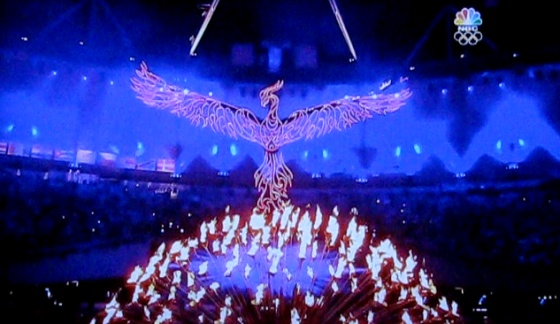
The symbol of Enoch is the Phenoch (or Phenoch, Phinoach, and Phanak), or the magnificent immortal bird known to us today as the ‘Phoenix.’ The phoenix is an allegorical fire bird of time, signifying re-birth and resurrection out of its own ashes. It is the symbol of the messenger, and especially more of the Sixth race, the offspring of Phen. The phoenix also symbolizes a secret cycle and initiation used by various cultures around the world to delineate a historical age. This is interesting, because in the 2012 closing Olympic Ceremonies, there was a massive phoenix on display that was lit up with thousands of lights. Could this symbolize the end of the sixth age and the beginning of a new era?
In the Ethiopic Books of Enoch, in Gen. v. 24 we find that “Enoch walked with God” and “God took him.” Jewish legends of Enoch describe him as a man, credited with superhuman knowledge, and the “Visions of Enoch” describe the secret Mysteries of Initiation, one of which is the Burning Valley of the “Fallen Angels.” In the Book of Enoch, Mount Hermon is the place where the “Watchers, Sons of God or the Nephilim,” a class of fallen angels descended to Earth. The Anak or the Anakim were the descendants of the Nephilim that were seen by Jacob when he described giants in the land of Canaan. Enoch’s Angels, the Sons of God (Nephilim) who saw that the daughters of men were fair (Gen., vi.), and who married them and taught the daughters of Earth the secrets of Heaven. Mount Hermon is located at 33 degrees latitude and longitude, and this region has long been associated with the Nephilim. Mount Hermon is where the Phoenician Prince Cadmus and the Cadmonites had inhabited, which was in the Land of Canaan. Cadmus whose name means ‘son’, was also known by the name Hermes, and just like Enoch, Hermes is the initiator, an intermediate agent between mankind. Herodotus had called Hermes, Mercury. He was usually depicted carrying a caduceus, and in Greek, Caduceus means magic wand, and why we always see him carrying his magic double DNA serpent wand, which is the symbol of immortality. Helena Petrovna Blavatsky gives us the meaning as well, in her book, The Secret Doctrine: Anthropogenesis;
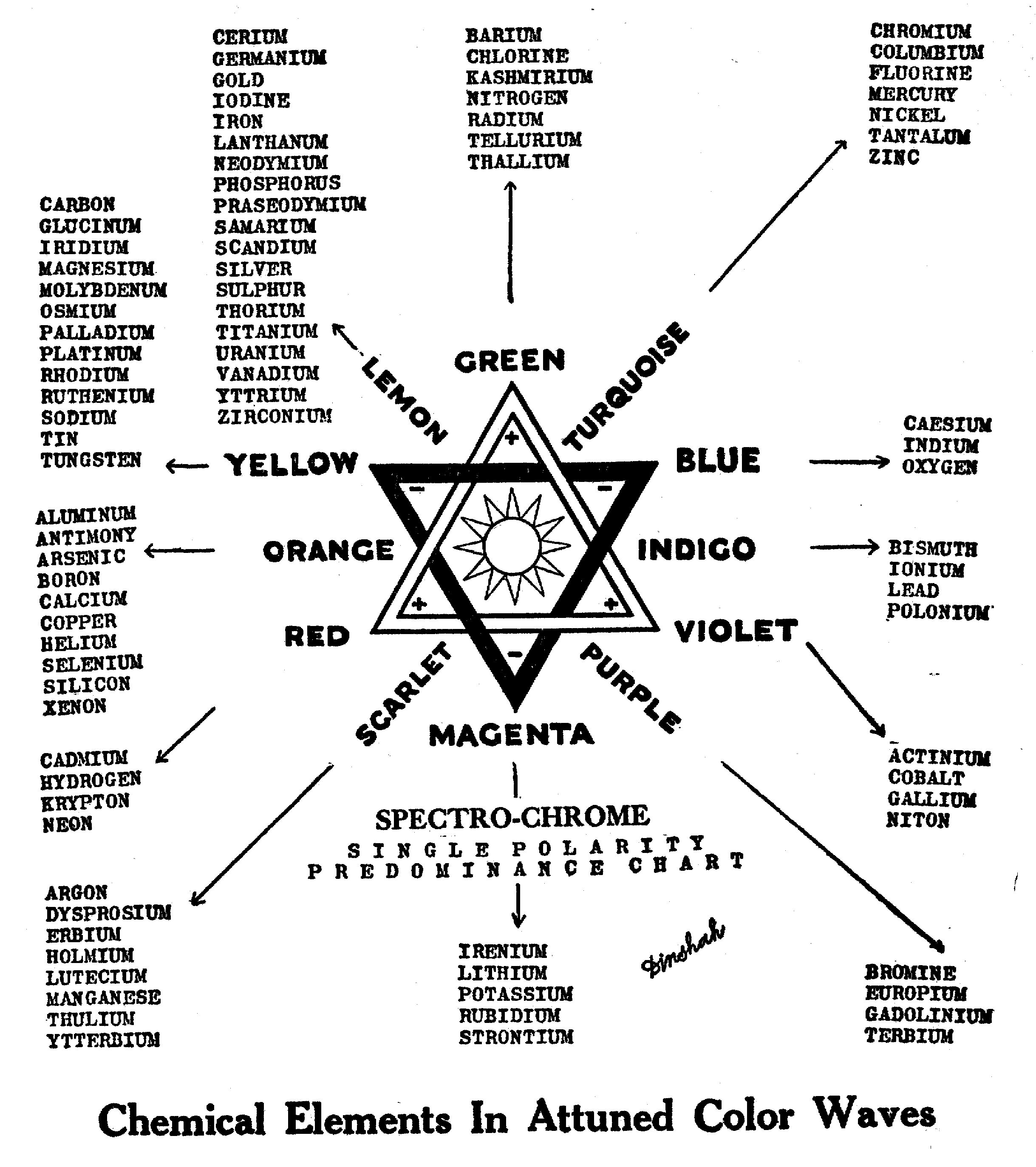
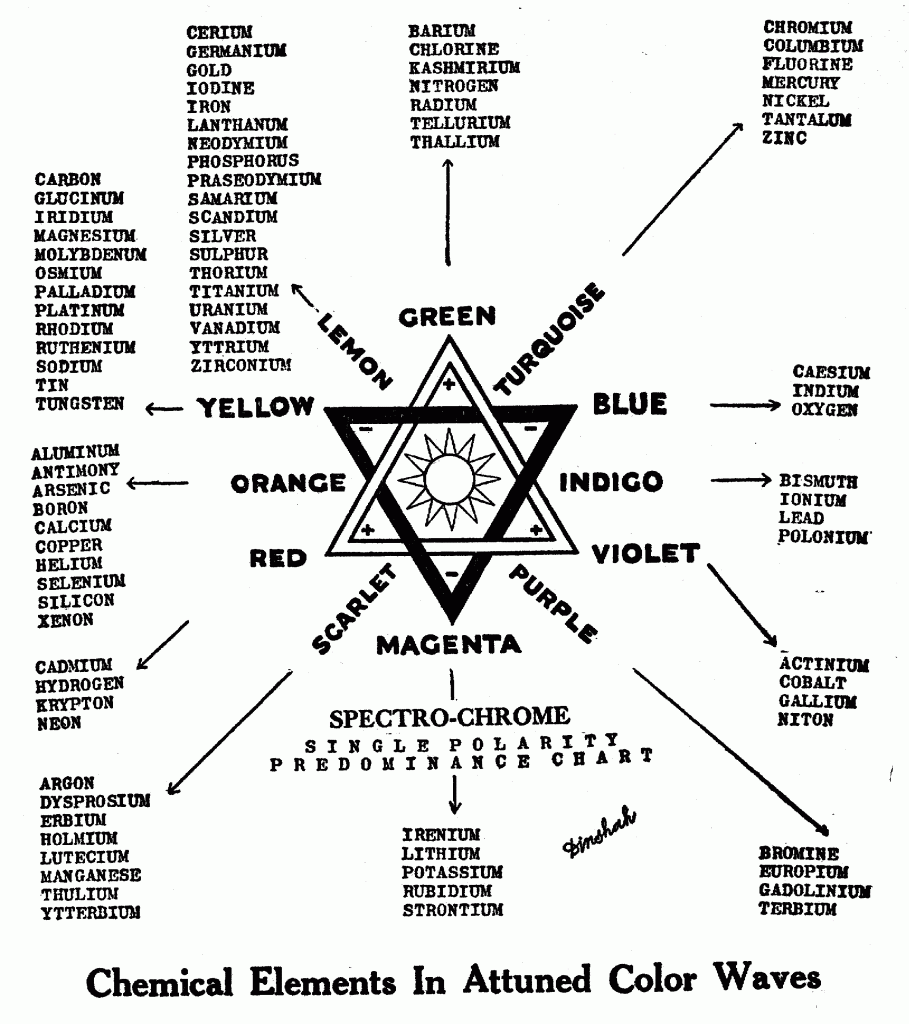
Enoch is the type of the dual nature of man—spiritual and physical. Hence he occupies the centre of the Astronomical Cross, as given by Eliphas Levi from a secret work, which is a Six-pointed Star, the “Adonai.” In the upper angle of the upper Triangle is the Eagle; in the left, lower angle stands the Lion; in the right, the Bull; while between the Bull and the Lion, over them and under the Eagle, is the face of Enoch or Man.’ Now the figures on the upper Triangle represent the Four Races, omitting the First, the Chhayas or Shadows, and the “Son of Man,” Enos or Enoch, is in the centre, where he stands between the Fourth and the Fifth Races, for he represents the Secret Wisdom of both. These are the four Animals of Ezekiel and of the Revelation. The Double Triangle…
Moe is the founder of GnosticWarrior.com. He is a father, husband, author, martial arts black belt, and an expert in Gnosticism, the occult, and esotericism.
by Moe
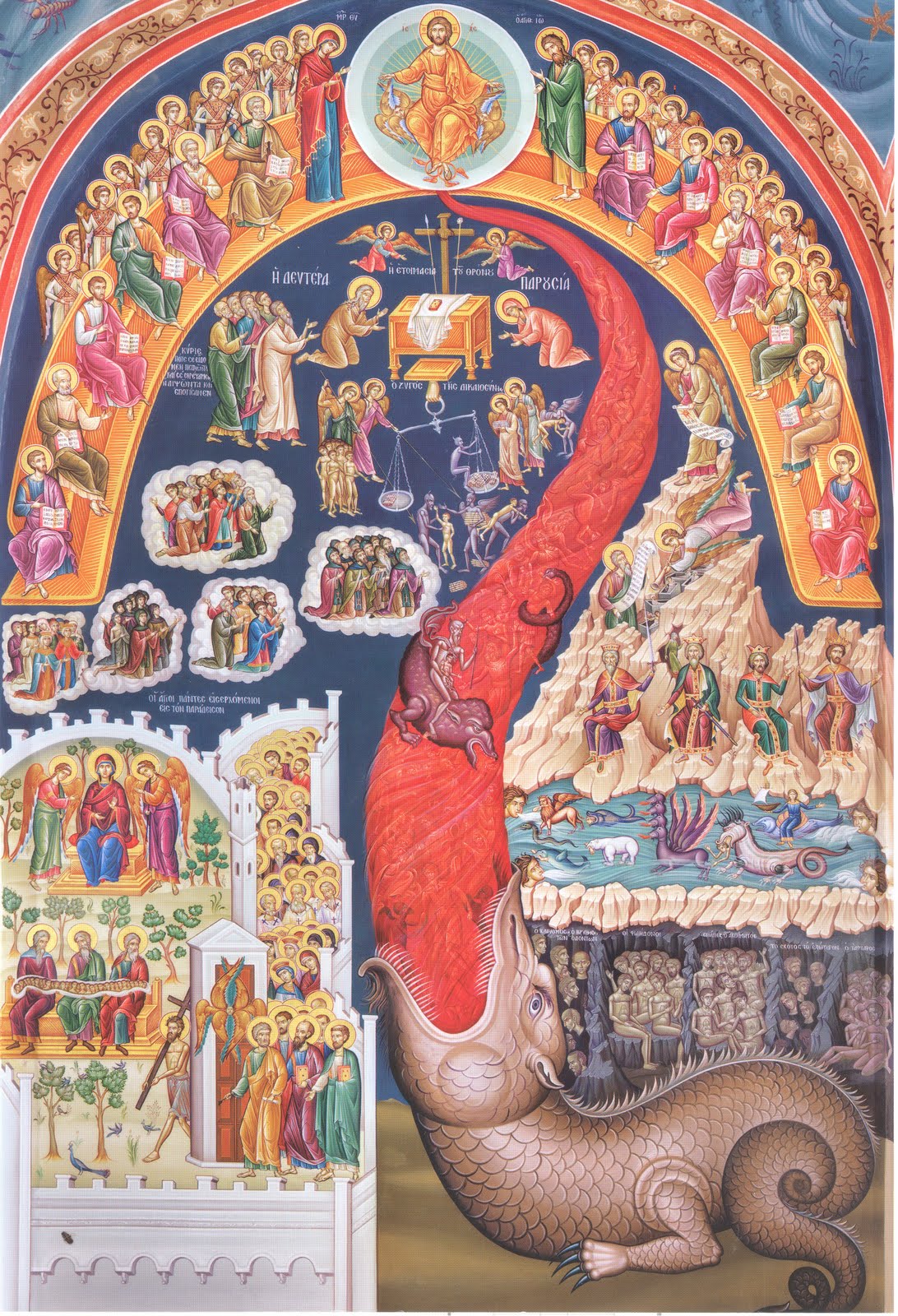
It is nothing but fire, worms, howling, groaning, moaning, and there will be wailing and gnashing of teeth. Yeah, it’s like that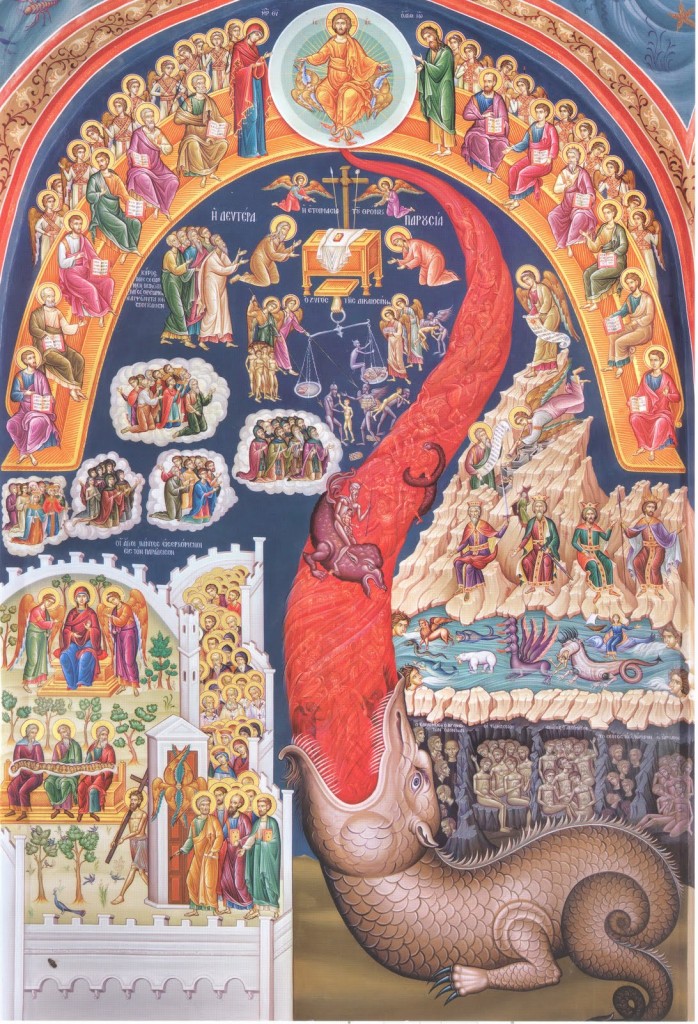 folks and some of you corrupt souls out there better get a spiritual clue or you will also suffer the same mortal fate.
The newly elected Pope Francis seems to stigmatize these Revelation facts just about every week with statements and press releases coming out of the Vatican such as the one by the Pope this past week that truly wreaks of Apocalyptic over tones. Pope Francis had said in a homily last week;
The Pope described people engaged in corruption as “whitewashed tombs”, explaining that “they appear beautiful from the outside, but inside they are full of dead bones and putrefaction”. A life based on corruption was “varnished putrefaction”, the Pope said.
When the Apocalypse of St. John was written many centuries ago, I do not think John had realized that these events would be televised or “go viral” on Minerva’s web. A global Apocalyptic event that seems to be playing out right before our very eyes in a world where the man with one eye is king and those with two eyes are not only blind, they are literal walking obese zombies with rotting carcasses of flesh being eaten by worms as they feed the very beast that is killing them.
It was written that these days we are seeing now would occur and I personally do not think there has been a time in history that can almost perfectly match up to the predictions of John as they are today. A prediction that seems to be coming true with every passing day of darkness as the veil is lifted revealing the truth and light.
WHAT IS VARNISHED PUTREFACTION?
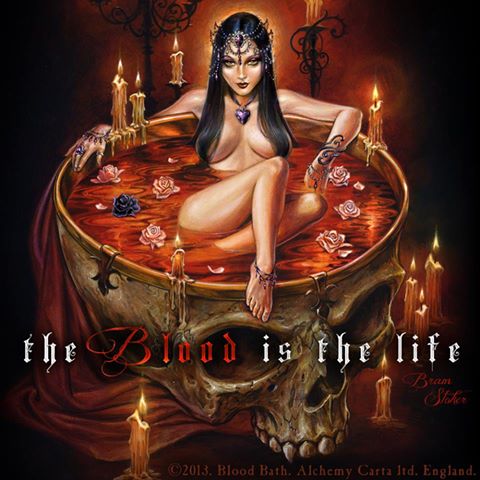
This varnished putrefaction I have written about before here on GnosticWarrior.com such as in my articles, Blood Alchemy: AS WITHIN, SO WITHOUT , Blood Alchemy: Red Blood of Lucifer , and Blood Alchemy: Black Blood of Satan. If you would like to get educated on what the Pope means by these statements and the days we are living in, I suggest you read those articles and many of the other ones I have written on these subjects.
Definition of Putrefaction
is one of seven stages in the decomposition of the body of a dead animal. It can be viewed, in broad terms, as the decomposition of proteins in a process that results in the eventual breakdown of cohesion between tissues and the liquefaction of most organs.
In terms of thermodynamics, all organic tissue is a stored source of chemical energy and when not maintained by the constant biochemical efforts of the living organism it will break down into simpler products. The breakdown of proteins in a decomposing carcass is a spontaneous process but one that is accelerated as the anaerobic microorganisms, already present in the animal’s digestive tract when it was alive, consume and digest the proteins that comprise the creature’s cells. As cells and their proteins are digested, the tissues of the body are left in a weakened state. Proteins are broken down into smaller components and these are excreted by the bacteria.
The excreted components, which include gases and amines such as putrescine and cadaverine, carry the putrid odor associated with a decomposing body. The gases are initially constrained within the body cavities but diffuse through adjacent tissues and into the circulatory system. Once in the blood vessels, the gases can then spread to other parts of the body. The result is visible bloating of the torso and then limbs. The increased internal pressure due to the rising volume of gas also helps to weaken and separate tissues. At some point, some part of the body will rupture, releasing the gas. As the bacteria consume all available proteins, the process of decomposition progresses into the next stage: skeletonization. (Wikipedia)
 APOCALYPTIC CONCLUSION
When Pope Francis speaks of putrefaction, his statements are as true as the sun shinning in the heavens or the full moon lighting the dark night sky. It’s like that, and when he says the devil is like a lion circling his prey, he is not talking about Simba in the movie the Lion King, but the symbol of the lion that belongs to a specific tribe who is also spoken about in the Apocalypse of St. John such as in the second vision where he sees the four apocalyptic living beings, the lion, the bull, the eagle, and Man, surrounding a throne where sits the spirit of God.
It’s as if we are living in the days after the Crucifixion of Jesus to the time of St. Francis of Assisi who had tattoos placed on his very skin to signify Christ’s wounds corresponding to those left on Jesus’ body after he was crucified. Marks called the ‘stigmata.’ Tattoos that remind you not to live like a beast of the earth, and be more like Jesus so your flesh isn’t eaten by worms or your blood turned to a poisonous gas as your organs liquify to a state of varnished putrefaction.
O, then my best blood turn to an infected jelly – Shakespeare
Listen to the Pope’s homily at this link
Moe is the founder of GnosticWarrior.com. He is a father, husband, author, martial arts black belt, and an expert in Gnosticism, the occult, and esotericism.
by Moe
One of Europe’s oldest cities is located on the fifth largest island in the Mediterranean Sea; the island of Crete which is in the country of 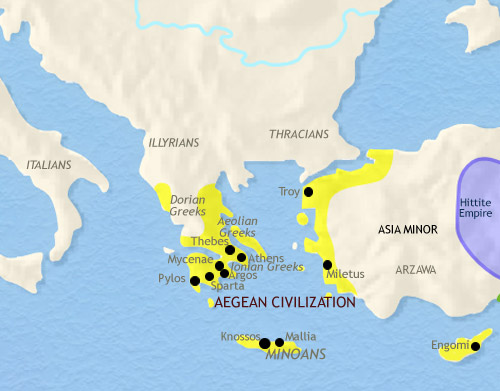 Greece. This ancient city is called “Knossos (/ˈnɒsəs/; also spelled Knossus, Cnossus, Greek Κνωσός, pronounced [knoˈsos] )”and it has the largest Bronze Age archaeological site on Crete. This is the city where the 19th century archaeologist, Sir Arthur Evans had found his main discoveries of the people from ancient Crete, whom he had dubbed the ‘Minoans.’ However, today, the city they had founded called Knossos, may very well be the true first “Ancient City of Gnosis.” (more…)
Moe is the founder of GnosticWarrior.com. He is a father, husband, author, martial arts black belt, and an expert in Gnosticism, the occult, and esotericism.
by Moe
The Cretans are well-known and are mostly named along with the Philistines or Pallitini in the Bible: 2 Sam. viii, 18, xv. 18, 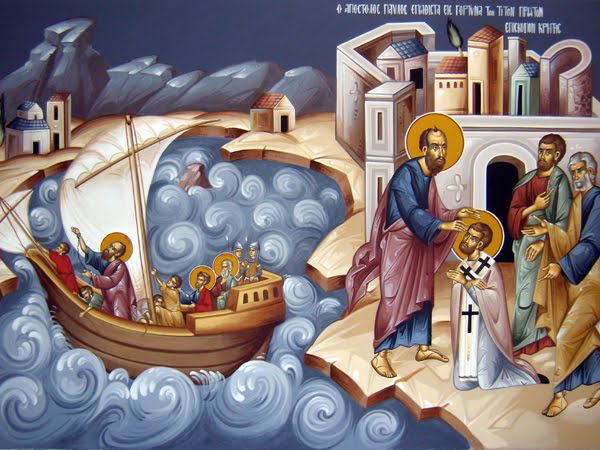 xx. 23. – Godfrey Higgins
Many of you who come to my website probably do not know why I have been writing about the island of Crete so much lately. I do not blame you, but in the same breath, if you want to know true history and how our current world was creat-ed, then you might want to pay attention to these articles I’m sharing with you on this most mysterious island located in the Mediterranean Sea.
As I had written before, Crete was called Keftiu by the Ancient Egyptians, it was also known under the old biblical name written in Hebrew “Kaftor or Caphtor”, and the Arabs had called it Kerith. The Latins had called Crete, Cappadocia and the Europeans had named it Candia. During the rule of the Turks, the name of the island had changed to ‘Kriti’, which is Greek for the English Crete.
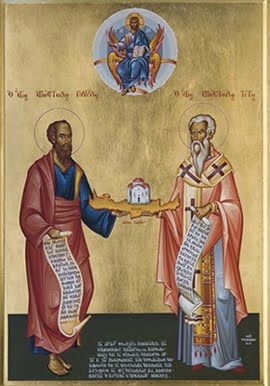 The name Crete is derived from the Greek word Kriti (Kri-ti), which means ‘creation.’ The meaning of the English word Cre’ate, is “to form out of nothing, to creo, creatum – cause to exist.” Hence, FIAT LUX.
I believe that the island of Crete was named after a word meaning creation, because it was one of the main starting points where the modern civilization that we see today in the West was created. A holy island that was once the home to many of the most important ancient Greek Jewish families from the East, who some of these same Cretans families would eventually join Rome under the banner of the Christian Brotherhood. Hence, the introduction into Christianity of the “Roman Jews” such as the Apostle Paul and the 1st century Jewish Roman historian, Josephus Flavius. Two very important people, who both had strong relations and histories to Crete. My theory simply coincides with the “mythical Minoans” from Crete, who in fiction are said to be the first culture to introduce the arts to the Western World. When in reality, it was the people of Crete and their descendants, the Jews who many had become Christians in Universal Brotherhood with Rome at the beginning of this Age. Later they would form the Byzantine Empire and both the Greek and Russian Orthodox Churches.
There are not many places at this time in the world that were as important and so rich in history, than the island of Crete. When we couple this reality with the mythical tales and biblical history behind this holy island, my theories on Crete start to take shape as a fact. Here is a partial list of the research I have done lately with supporting facts, myths, firsts, events and people from this holy island that help substantiate my creation theory.
- In Greek mythology, the greatest of all Greek Gods was Zeus, who in Rome became Jove or Jupiter who was born and also hidden by his mother Rhea on the island of Crete. He is the “Father of Gods and men.” Hence, there is no greater god above Zeus/Jupiter. He was venerated in Crete as Zeus Velchanos (“boy-Zeus”) often simply the “the greatest kouros (κοῦρος).”
- The King of the Gods from Crete, Zeus was also the father to Athena, Apollo and Artemis, Hermes, Persephone (by Demeter), Dionysus, Perseus, Heracles, Helen of Troy, Minos, and the Muses (by Mnemosyne); by Hera, he is usually said to have fathered Ares, Hebe and Hephaestus. All these Gods were born on Crete.
- To save the infant Zeus from his vengeful father Cronus, his mother Rhea hid him in a cave on Mount Ida on the island of Crete and where she had placed him in the care of a priesthood known as the Curetes (Koretes, Telchnines, Corybantes, Dactyls, Cabiri). Strabo had written, that these are the names of the various groups of daimones or demons known as the Curetes (Kuretes), Corybantes, Dactyls, Cabiri, and Telchines which are names that are often used interchangeably with one another.
- King Melissus of Crete – first began the practice of sacrifice to the Gods and introduced new rights and sacred ceremonies to the priesthood. Melissus was the eldest and leader of the nine Curetes. The meaning of the name Melisseus is “bee-man,”and another form of Melissus, in Cretan means, “honey-man.” He had two daughters, Amalthea and Melissa who nursed the child Jupiter, and fed him with goat’s milk and honey.
- I believe the legend of the Templars, Baphomet was creat-ed from this story of the Goat Almathea that had originated on the island of creation that we know of today as ‘Crete.’ However, the priesthood had taken this legend from the East when they had left Egypt, where the Goat Almathea would be known as “The Goat of Mendes.“
- Cydonia or Kydonia (Greek Κυδωνία, “quince”) is an ancient city-state on the northwest coast of the island of Crete. Cydonia was founded by King Cydon, a son of Hermes and of Akakallis, the daughter of King Minos. Cydon or Sidon means “first born” and they city was dedicated to the Goddess, Cydonia who later became Athena, and later in Rome, Minerva. They are the goddesses of wisdom, courage, inspiration, civilization, law and justice, just warfare, mathematics, strength, strategy, the arts, crafts, and skill.
- Saint Longinus, the Roman soldier who pierced Jesus Christ in his side with a lance, the “Holy Lance.” He was said to have been baptized by the apostles of Crete, where he then became a monk who had converted great numbers to Christianity on the island of Crete, where eventually he would by martyred under Octavius Augustus Caesar.
- Herodotus had said that the Curetes had come to Crete with the Phoenician Prince Cadmus who in Greek legend is the inventor of the alphabet and founder of a family dynasty.
- Lucian tells us, the Great Mother was the Cretan Rhea—, or Europa, the sister of Cadmus. —English Universal History, vol. ii.
- These people last of the offspring of Mizraim (Egypt), are, by all 35 the fathers, said to be the Cappadocians (Cretans). Mizraim (Hebrew: מִצְרַיִם / מִצְרָיִם, Modern Mitzráyim Tiberian Miṣrāyim / Miṣráyim ; cf. Arabic مصر, Miṣr) is the Hebrew name for the land of Egypt.
- Crete was once called the “Jewel of the Aegean Sea” and was home to over 100 cities
- Saint George, the Patron Saint of many of the world’s most powerful countries and influential cities was born and martyred on Crete.
- Paul the Apostle lived on the beautiful island Crete for two years. Paul is considered one of the most important apostles of our age and he had also founded several churches in Asia Minor and Europe.
- St. Titus the Apostle was an early Christian leader, a companion of Saint Paul and the first bishop of Crete. St. Titus is the patron saint of the United States Army Chaplain Corps.
- St. Basil the Great, Bishop of Caesarea and Doctor of the Church was born and served the church in Crete.
- Saint Basil the Elder and the grandmother of Saint Basil the Great, Saint Macrina the Elder were both born and died on Crete.
- The 1st century Greek geographer, philosopher and historian, Strabo was born on Crete.
- The 1st century Jewish-Roman Historian, Flavius Josephus had married a woman from a royal family on Crete who became his 4th wife and bore him two sons.
- Josephus mentions that one of the Cappadocian (Cretan) tribes is the Moschoi, associated with the biblical figure Meshech, son of Japheth: “and the Mosocheni were founded by Mosoch; now they are Cappadocians (Cretans from the island of Crete).” Meshech is named with Tubal as a principality of the prince of Gog and Magog in Ezekiel 38:2 and 39:1. Modern day Moscow was founded by the Mosocheni (Moschoi, Mosoch or Meshech), or the Tabalior (Thobelites).
- Nerva (Latin: Marcus Cocceius Nerva Caesar Augustus; 8 November, 30 AD – 27 January, 98 AD) who became the thirteenth Roman Emperor from 96 to 98. He was from the Italian branch of this tribe of Israelites; known then as the Umbrians who were the Italian descendants of the Israelites from Crete.
- Today, this island is one of the thirteen administrative regions of Greece.
Moe is the founder of GnosticWarrior.com. He is a father, husband, author, martial arts black belt, and an expert in Gnosticism, the occult, and esotericism.
by Moe
The Telchnines (Telknines, Telkhis, Telegonus, or Greek, Τελχῖνες) were a daemon tribe of artists, magicians, warriors and 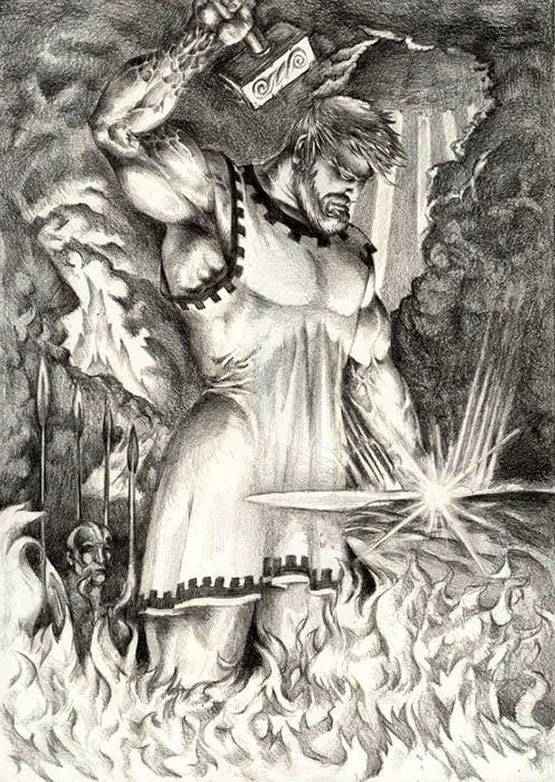 merchants who at one time resided on the island of Crete (Krete) in approximately the year 1600 BC. Crete is known in Greek mythology as the birthplace of the God, Zeus who was born there on a mountain called Mount Ida. Some of the greatest of all legends come from this sacred island, that is the fifth largest island in the Mediterranean Sea and was once called the jewel of the Aegean Sea.
Various historical accounts from many different authors tell of the people known as the Telchnines, who some had called the Curetes or other various names. Strabo had written, that these are the names of the various groups of daimones or demons known as the Curetes (Kuretes), Corybantes, Dactyls, Cabiri, and Telchines which are names that are often used interchangeably with one another.
Plutarch had said, “that according to a divine nature and justice, the souls of virtuous men are advanced to the rank of daemons; and that from demons, if they are properly purified, they are exalted into gods, not by any political institution, but according to right reason.” (more…)
Moe is the founder of GnosticWarrior.com. He is a father, husband, author, martial arts black belt, and an expert in Gnosticism, the occult, and esotericism.
by Moe
The human flesh is covered with millions of bugs who feed upon the various chemical secretions that are emitted from within the 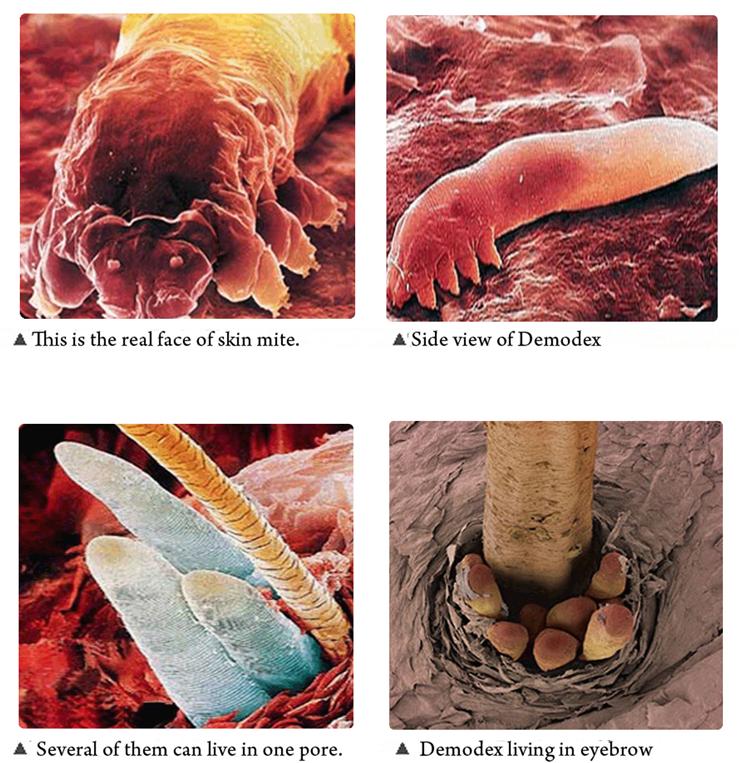 body onto the skin. One of these ghastly bugs resembles a worm with big teeth, but they are actually related to spiders and who chomp upon the chemical secretions in our skin as they procreate and colonize by the millions. They do not poop during their entire lives and when they die, their feces ridden abdomens explode on your skin as their poop laden bodies rot within our very flesh.
Yeah, it’s a scene out of a Hollywood horror movie or straight out of the Book of Revelation, but this story is horrifyingly real.
These worm-like looking bugs with what I would like to call, fiery teeth are called, ‘Demodex.’ The word Demodex’ is said to be derived from Greek ‘dēmos’ fat + ‘dēx’, a wood worm. It is a genus of tiny parasitic mites that live in or near hair follicles of mammals. Around 65 species of Demodex are known. Two species living on humans have been identified: Demodex folliculorum and Demodex brevis, both frequently referred to as eyelash mites. (Wikipedia) As I had written above, Demodex is a genus and the word genus is derived from the Latin genius and this is where we get the English word, ‘genie.’ The various synonyms for genus are genie, genius, gin, the jinn (Arabic: الجن al-jinn, singular الجني al-jinnī; also spelled djinn), spirit, ghost, and daemon or demon.
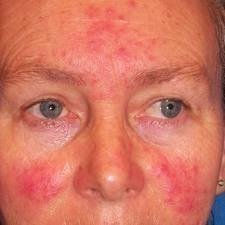 These ghastly genie bugs or evil demons are said to be the possible cause of acne and another skin condition known mythologically as the “Curse of the Celts.” In science, this curse of the Celts is known as red inflamed skin, with swelling, roughness and fine visible blood vessels, usually in the central zone of the face and is called, ‘Rosacea.’ It is also related to acne. I happen to be a Celt and I suffer from the curse. Hence, I’m a living testament that these facts are real.
Here is a scientific explanation of these flesh-eating bugs called Demodex from Wikipedia;
Demodex mites live inside the sebaceous glands and hair follicles, sucking nutrients from the hair roots and damaging the cell walls. After mating they burrow into the skin, laying eggs, introducing bacteria and infection to the skin. Throughout the five phases of their life cycle, these mites destroy the skin by excreting wastes and secretions, laying eggs and dying within its layers. After death, their corpses become liquid and decompose inside the skin.
The adult mites are only 0.3–0.4 millimetre (0.012–0.016 in) long, with D. brevis slightly shorter than D. folliculorum.[3] Each has a semitransparent, elongated body that consists of two fused segments. Eight short, segmented legs are attached to the first body segment. The body is covered with scales for anchoring itself in the hair follicle, and the mite has pin-like mouth-parts for eating skin cells and oils (sebum) which accumulate in the hair follicles. The mites can leave the hair follicles and slowly walk around on the skin, at a speed of 8–16 mm per hour, especially at night, as they try to avoid light.[3]
Females of Demodex folliculorum are larger and rounder than males. Both male and female Demodex mites have a genital opening, and fertilization is internal.[4] Mating takes place in the follicle opening, and eggs are laid inside the hair follicles or sebaceous glands. The six-legged larvae hatch after three to four days, and the larvae develop into adults in about seven days. The total lifespan of a Demodex mite is several weeks. The dead mites decompose inside the hair follicles or sebaceous glands. Recent research has indicated that the common skin malady rosacea may be caused by the decomposing mites,[5] possibly due to the bacterium Bacillus oleronius found in their bodies.
Please note, this bug that feeds on our flesh like some vampire or demon is called, ‘Demodex.’ This word is derived from Greek ‘dēmos’ fat + ‘dēx’, a wood worm; could this be the worm wood as seen in Revelation 8:11 – “the name of the star is Wormwood. A third of the waters turned bitter, and many people died from the waters that had become bitter.” The behavior of these worm wood bugs who feed on us humans and thrive on our flesh like bitter colonies of invaders with teeth and who wish to simply take over our bodies and possibly our souls, reminds me of Matthew 8:12 – “The children of the kingdom [the Jews] shall be cast out into outer darkness: there shall be weeping and gnashing of teeth,” and also the prophetic words of the Revelation of Saint John when he had written; “And there were other men and women on fire up to their middle and cast into a dark place and scourged by evil spirits and having their entrails devoured by worms that rested not: and these were they that persecuted the righteous and delivered them up.”
And from these worms God made angels. If the Lord said of Himself: “I am a worm and not a man” (Ps 21:7) We find this passage more correctly rendered in the Hebrew Bible: “Man that is a worm (rimmah), and the son of man which is a maggot” (tole’ah).
When I study the etymology of the Greek word ‘Demodex,’ the meaning I come up is a bit different, but all together similar. I have found that it is also made of two words. Demo would be derived from the Ancient Greek word, ‘Daemon (Demon);’ meaning “a divinity or supernatural being of a nature between gods and humans.” The English word demon is derived from the Latinized versions, “dæmon” and “daimôn” of the original Greek “δαίμων.” According to Plato, in his Cratylus, the etymology of daimôn/daēmones (δαίμονες: deity/daêmôn δαήμονες) meaning, “knowing, wise or intelligent.” The word ‘dex’ is short for the Greek word, ‘Dexedrine,’ which is also the trademark for ‘amphetamine sulfate;’ that is a sulfate derivative of amphetamine and that is used as a stimulant for the central nervous system.
The side effects of this naturally occurring amphetamine sulfate in our bodies, when we unnaturally increase it through stress upon the central nervous system; it can affect our bodies much like the street drug known as “speed or crystal meth,” which is an amphetamine based drug that people ingest through, either snorting, smoking or intravenous use with needles. After time, the amphetamine addicts body starts to decay and rot as if they are literally being eaten alive. The same addicts often complain of sensations like bugs crawling on their skin as they obsessively itch and claw at their skin, causing lesions and open sores to appear all over their bodies. All the while, their drug use, diets, thinking are causing more dex, AKA amphetamine sulfate for these demo, or demons.
The facts are that they are being eaten alive by these demon bugs called, Demodex.
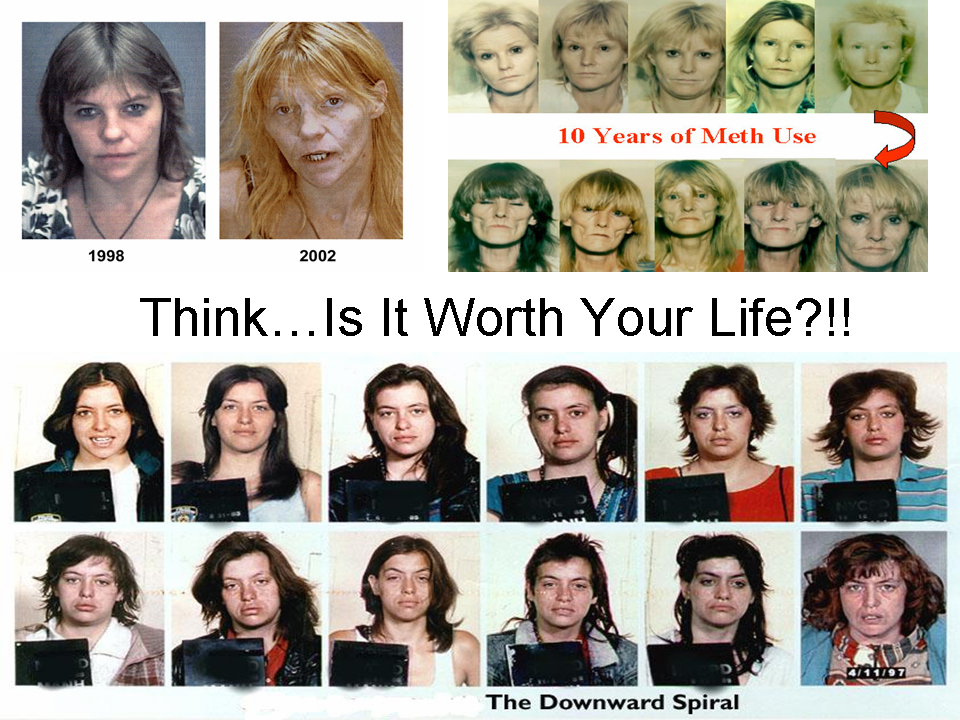
Hence, when we live away from the light of God, we are cast into outer darkness where these bugs with fiery teeth feed upon our very flesh and soul. Human microscopic parasites that take the name of evil demons who feed upon our rotting flesh, that are biblically called Worm Wood and in science, these bad spirit bugs are known as Demodex. This isn’t spiritual non-sense or biblical poppy cock from some hell fire-breathing Baptist preacher, these are actual scientific facts with real science to back it up.
Could these evil spirit bugs be the Worm Wood that Saint John had warned us about; who take the form of a miniature 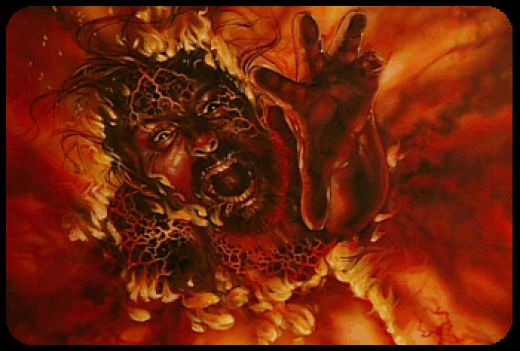 spider-like creature unseen to the naked human eye, that feed upon our flesh? A demon-like bug who multiplies within our flesh and blood the more we unnaturally stress our bodies with impure thoughts, actions, poisons, and what the church would call sinning? A process that can easily end up, with not only our faces and skin be eaten alive, but also as said in the bible, our entrails devoured by worms that rested not. In the end of this process, if we do not correct our sinful ways, we will be eternally cast into the lake of fire burning with Brimstone, AKA Sulfur.
It is said that in the Apocalypse, the veil will be lifted and science merged with theology which gives prudence and factual proof that what the Saints, Apostles and Church Fathers had called worms and wormwood. They had warned us about these scientific facts in the bible over the last 2,000 years, that I feel in reality are authentic scientific and alchemical facts encoded in biblical allegory. Facts that would remain hidden until the days at the end of the Age, which are the days of the unveiling. The same words, that today most people do not want to hear or foolishly think is just biblical nonsense or just another article to share of Facebook.
This reality I can verify easily with the popularity of the articles I write. An article such as this one will be shared on Facebook a few times, and a sensational article about nonsense or sexual science will be shared 100 or more times. It’s as if I’m living scientific proof of all the realities of this article in the End Times, as I shout from internet roof tops at the American Jews that the time is nigh and I have the science to prove it. But the sinners continue to worship the goddess of war, chaos, magick and the speaker of spells as they love their sins. The same Jews, who would rather nail me upon a cross, then give up their sinful ways.
Wormwood in the Bible, – Deut. xxix. 18, whereof the idolatrous Israelites it is said, ” Lest there be among you a root that beareth wormwood” (see also Prov. v. 4). In Jer. ix. 15, xxiii. 13, Lam. iii. 15. 19, wormwood is symbolical of bitter calamity and sorrow: unrighteous judges are said to “turn judgment to wormwood” (Am. v. 7).
The Jewish Bible: “Even after my skin shall have been stripped off this [body] and flesh, I shall see God.” Job xix. 26
Moe is the founder of GnosticWarrior.com. He is a father, husband, author, martial arts black belt, and an expert in Gnosticism, the occult, and esotericism.