The name Nephilim is simply not an ancient word, but more a word of modern invention. If you research the ancient text of past civilizations, the name Nephilim cannot be found in the writings of the Egyptians, Assyrians, Greeks, or the Sumerians. To the Ancient Greeks- where much of our ‘current written’ ancient world history is derived from, the Nephilim were not even known, up until the 3rd century B.C. For example two of the greatest Greek historians who ever lived, Plutarch and Plato do not even mention the Nephilim once in their writings. However, I believe it is these historians where we get the “plot of the Nephilim biblical story.”
In studying the curious history of the Nephilim, I have found that it is simply not a name that we can trace back to any of the ancient empires who ruled the world over the last few thousand years. Hence, it is a modern name that was ‘invented’ to describe a “certain race of people or family” who are then mentioned twice in the Hebrew Bible, both in the Torah. The first is Genesis 6:1–4 NAS, immediately before the story of Noah’s ark (Wikipedia);
“Now it came about, when men began to multiply on the face of the land, and daughters were born to them, that the sons of God saw that the daughters of men were beautiful; and they took wives for themselves, whomever they chose. Then the LORD said, “My Spirit shall not strive with man forever, because he also is flesh; nevertheless his days shall be one hundred and twenty years.” The Nephilim were on the earth in those days, and also afterward, when the sons of God came in to the daughters of men, and they bore children to them. Those were the mighty men who were of old, men of renown.”
“So they gave out to the sons of Israel a bad report of the land which they had spied out, saying, “The land through which we had gone, in spying it out, is a land that devours its inhabitants; and all the people whom we saw in it are men of great size. There also we saw the Nephilim (the sons of Anak are part of the Nephilim); and we became like grasshoppers in our own sight, and so we were in their sight.”
We are told in the bible that the Nephilim were on the earth in those days, and also afterward, when the sons of God came in to the daughters of men and they bore children to them. Those were the mighty men who were of old, men of renown” that are mentioned in the bible as the offspring of the “sons of God” and the “daughters of men.” In Greek culture, over the course of history there has been a large number of father gods and sons of gods; and in Ancient Greece there was actually a real family that were described in the same fashion- ” who were of old, men of renown and the sons of gods.” This race or particular family is mentioned by both Plato and Plutarch as “the oldest families in Thebes — a large part of the Boeotian aristocracy and the mighty men who were of old, men of renown.”
The Word Cadmus in Hebrew, signifies One who came from the East, and seems to determine him to have been of the Race of (a) the Cadmonites, which was a People in Palestina, the fame with the Hivites, who anciently descended from (b) Canaan the Son of Ham. Harmonia deriv’d her Name from Mount Hermon in that Country. Many of these Cadmonites inhabited (s) Mount Hermon, which was the most eastern Part of the Land of Canaan, and signifies the lame, as (d) Tabor lay in, and signify’d, The IVeji. His Soldiers the Hivites Mt said to be changed into Serpents, because the fame Word both in Syriack and Arabics signifies a Serpent. He was the Improver of Brass, and therefore (e) the Stone of which it was made, was call’d Cadmia, and the fame Word in the Hebrew Language signifies both Brass and a Serpent.
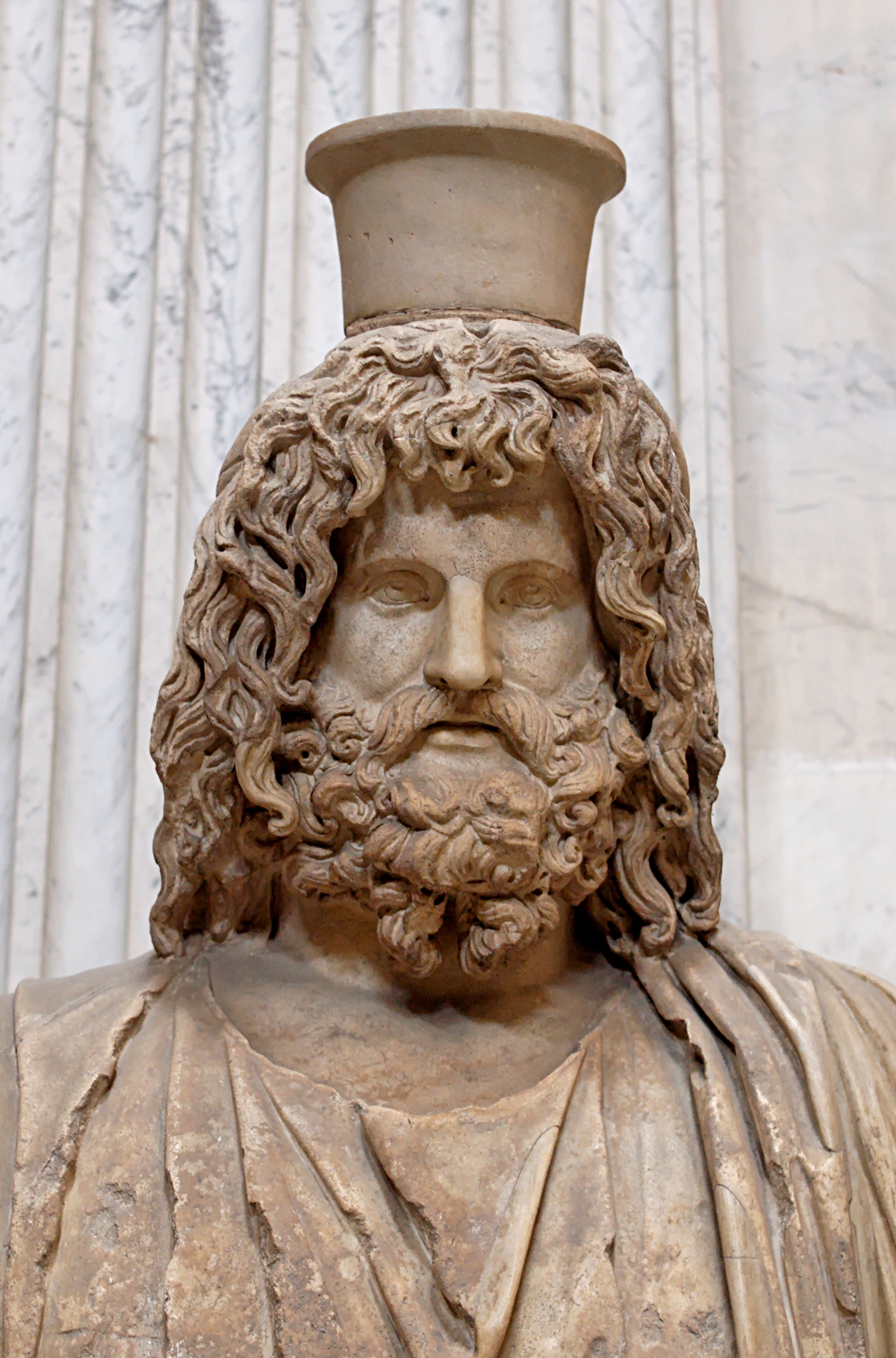
These priest were Gnostics whose symbol was the serpent, and their god Serapis. The various spellings of the name Serapis are Sor-apis (Σέραπις, Attic/Ionian Greek), Sarapis (Σάραπις, Dorian Greek), Serapin (Greek Ὄφις), or in Hebrew Seraph. All these names mean ‘serpent.’ The name ‘seraphim’ is the plural form of serpent and is also said to mean, “the burning ones.” Serapis is the Hellenized version of the Egyptian Osiris-Apis.
This same family was said to be the descendants of the children of Pytho the Nisibian, said to belong to the Sparti (Spartoi). They were a race of warlike, earth-born warriors. Their descendants were all said to have a mythical birthmark, and some of these men we know today as Nephilim. They were the founders of many countries around the world. Men such as Seleucus, the founder of the country we know today as Syria and the Secloid Dynasty. He was said to be the son of the god Apollo and he had a mythical birthmark shaped as an anchor on his thigh.
Plato writes about the Sparti and the mythical white birthmarks of this family, Laws 728 A. 2 Horace, Epistles 1. 1. 106. 3;
“The Sparti, sprung from the dragon’s teeth sown by Cadmus. Just so no good man who imparts his goodness to another was ever thought to have less virtue by as much as he had bestowed. So divine and excellent is that possession, and most true is the saying of the Athenian stranger, whoever that inspired man may have been: “All the gold beneath the earth and above ground is too little to give in exchange for virtue.”
Let us therefore now boldly call its possessor wealthy, yes and I should say well-born also, and the only king among them all, if anyone agree to this. For as noble birth is better than a lowly pedigree, so virtue is better than a character not in all respects admirable. And let no one say that this statement is contentious and too strong, judging by the ordinary use of words. For the multitude are wont to say that the sons of those who have long been rich are well-born.
And yet is it not extraordinary that a cook or cobbler, yes, by Zeus, or some potter who has got money together by his craft, or by some other means, is not considered well-born nor is given that title by the many, whereas if this man’s son inherit his estate and hand it on to his sons, they begin to give themselves airs and compete on the score of noble birth with the Pelopids and the Heraclids?
Nay, even a man who is born of noble ancestors, but himself sinks down in the opposite scale of life, could not justly claim kinship with those ancestors, seeing that no one could be enrolled among the Pelopids who had not on his shoulder the birth-mark of that family. And in Boeotia it was said that there was the impression of a spear on the Sown-men.”
There are connections in Ancient Syria of the Nephilim to a place called Nepha-tes that is situated in the country of modern-day Armenia near Taurus, Antitaurus, and Mount Ararat. This is where the Tigris and Euphrates rivers take their rise in this country. At one time, Syria was divided into five kingdoms that had extended from Cilicia and mount Amanus to Arabia and Egypt, and from the Mediterranean to the Euphrates. The ancient names of these kingdoms were Commagene, Seleucis, or Syria Propria, CeeIo Syria, Phoenicia, JudaVa, or Palaestina (Palestine).
Some of these same kingdoms you will also find in the bible or on modern maps which also place the Nephilim in Syria and a place called Nephates. The same country founded by a man who was fathered by a god; Seleucus who also had a mythical birthmark as described by Greek historians. The country called Palestina back then, is known today as Palestine and also called the Holy Land, the Land of Canaan of Israel, and of Judah. The same land that was first divided into twelve tribes, afterwards into the kingdoms of Judah and Israel, and last by the Romans into several districts. Phoenicia would of course be the land of the Phoenicians.
The Ancient Syrian Kingdom of Commagene (Armenian: Կոմմագենէի Թագավորութիւն, Greek: Βασίλειον τῆς Kομμαγηνῆς) was an ancient Armenian kingdom of the Hellenistic Age.
Commagene was a small kingdom, located in modern south-central Turkey, with its capital at Samosata (modern Samsat, near the Euphrates). It was first mentioned in Assyrian texts as Kummuhu, which was normally an ally of Assyria, but eventually annexed as province in 708 BC under Sargon II. The Persian Empire then conquered Commagene in the 6th century BC, and Alexander the Great conquered the territory in the 4th century BC. After the breakup of the Alexandrian Empire, Commagene was a state and province in the Greco-Syrian Seleucid Empire.
The Hellenistic kingdom of Commagene, bounded by Cilicia on the west and Cappadocia on the north, arose in 162 BC. This was the year when its governor, Ptolemy, a Satrap of the disintegrating Seleucid Empire, declared himself independent. Ptolemy’s dynasty was related to the Parthian kings, but his descendant Mithridates I Callinicus (109 BC-70 BC) embraced the Hellenistic culture and married the Syrian Greek Princess Laodice VII Thea. His dynasty could thus claim ties with both Alexander the Great and the Persian kings. This marriage may also have been part of a peace alliance between Commagene and the Seleucid Empire. From this point on, the kingdom of Commagene became more Greek than Persian.
In Num. xiii. 33 the Nephilim are described as gigantic, and many dictionaries such as the Brown-Driver-Briggs Lexicon, gives the meaning of Nephilim as “giants.” Other explanations of the name base Nephilim as a word is a derivative of the Hebrew verbal root n-ph-l “fall.” Robert Baker Girdlestone gives good argument that the name comes from the Hiphilcausative stem, implying that the Nephilim are to be perceived as “those that cause others to fall down.” Adam Clarke took it as passive, “fallen,” “apostates.” Ronald Hendel states that it is a passive form “ones who have fallen,” equivalent grammatically to paqid “one who is appointed” (i.e. overseer), asir, “one who is bound,” (i.e. prisoner) etc. (wikipedia)
However, the “sons of God” are explained in the Targum to Genesis 6:4 and the Midrash (Gen. R. 26:5) as young aristocrats who married the daughters of commoners. This explanation would coincide with the true history told to us by Plato and Plutarch and also the other pertinent facts I have detailed above.
” And it came to pass when men (the Adam) began to multiply on the face of the ground and daughters were born unto them ; then the sons of God (the Elohim) saw the daughters of men (the Adam) that they were fair, and they took to them wives of all that they chose. And Jehovah said, My spiiit shall not for ever rule (or be humbled) in men, seeing that they are [or, in their error they are] but flesh, and their days shall be a hundred and twenty years. The Nephilim were in the earth in those days ; and also afterwards when the sons of < Jod (the Klohim) came in unto the daughters of men (the Adam), and children were born to them, these were the heroes which were of old, men of renown.”
It is clearly explained in Genesis 6:4 that the offspring of the Nephilim were “mighty men of old, men of renown”. This exactly coincides with the true history told to us by both Plato and Plutarch who had also called these people,”the mighty men who were of old, men of renown from Boeotia.” This must not be a coincidence and it appears that some of these bible stories are based on the teachings of these Ancient Greek historians.
Based on the story above and my research on this blog, I would determine that the Nephilim are based on the real life history of this ancient family from Syria who we know of today as the sons of god. Their capital was at the city of the Ark, Thebes. The same exact area described in the bible as the Holy Land and where the priesthood of Amon-Ra had their strong hold. With its central location on the Nile, the priesthood of Thebes would be the main center of all the world’s manufacturing and creation for all arts, commerce and religion. A place where in actual true life history, Egyptian Pharaohs such as Ramesses II and his son, Ramesses III had communed with the gods at the temple of the Luxor, and even had set up two massive obelisks in front of it, one of which is now in Paris, France on display.
Is this all a coincidence or just the Apocalypse (unveiling)?
In part two of my series of articles on Who were the Nephilim, I will explain more about this family or race of people from Thebes that we know of today as the Nephilim.
Moe is the founder of GnosticWarrior.com. He is a father, husband, author, martial arts black belt, and an expert in Gnosticism, the occult, and esotericism.
The ancient serpent-god of the Gnostics from the East was Serapis. The various spellings of the name Serapis are Sor-apis (Σέραπις, Attic/Ionian Greek), Sarapis (Σάραπις, Dorian Greek), Serapin (Greek Ὄφις), or in Hebrew Seraph. All these names mean ‘serpent.’ The name ‘seraphim’ is the plural form of serpent and is also said to mean, “the burning ones.” Serapis is the Hellenized version of the Egyptian Osiris-Apis.
Manly P. Hall had written in the Secret Teachings of All Ages: “The Gnostic Mysteries were acquainted with the arcane meaning of Serapis, and through the medium of Gnosticism this god became inextricably associated with early Christianity. In fact, the Emperor Hadrian, while traveling in Egypt in A.D. 24, declared in a letter to Servianus that the worshipers of Serapis were Christians and that the Bishops of the church also worshiped at his shrine. He even declared that the Patriarch himself, when in Egypt, was forced to adore Serapis as well as Christ.”
Plutarch informs us that it was the Greco-Egyptain Pharoah, Ptolemy I who had introduced Serapis or serpent worship from Sinope in Asia Minor to the East, where he had taken the place of all the Gods as the supreme deity during reign of the Ptolemy Pharaohs. From this time thereafter, the multitude of gods from all around the world such as Osiris, Buddha, Cadmus, Quetzalcoatl, and Ku Kulcan, would all be depicted with the emblem of the serpent in an attempt to integrate this serpent deity into all these cultures as a one world religion.
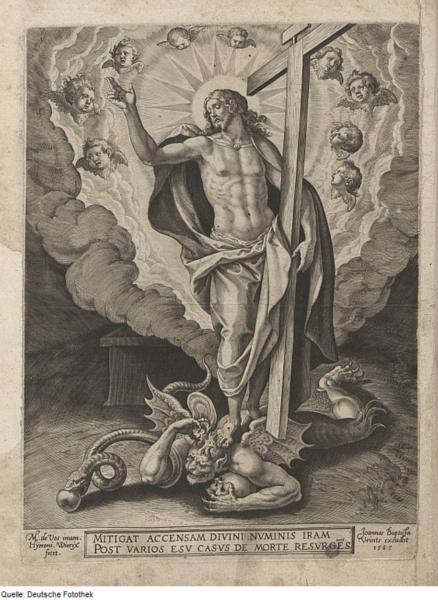
Serapis is the serpent on the cross that was also the precursor to the Christian Christ, who would take the serpents place upon the cross in this Sixth Age under the religion of Christianity. Before the Christian era, the most ancient worship of the serpent was practiced in many areas of the world. The serpent on the cross was still worshiped up to the 7th century in England under the Druids. Tacitus, the Roman senator and historian had said that Serapis was worshipped as a type of universal deity that represented Jupiter, Osiris, Pluto, and sometimes Jupiter Ammon. The cult of Serapis had originated from the Greco-Egyptian priesthood under the Ptolemies, and the testimony of Pausanias says the temples of Serapis were the most famous at Alexandria, and the most ancient at Memphis.
The Ancient Egyptians had primarily used animals or half human /animal hybrids to represent their Gods. But the Ancient Greeks would never worship an animal as a God. These facts can be seen today with the naked eye, such as in the artwork left by the Egyptians who incorporated many animals as gods, and also the Greeks who had strictly used men or women in their art to represent their gods. This is the reason why many of these gods appear to have merged or were made into hybrid gods, to appease the various cultures that these Pharaohs had conquered.
More information about this story comes down to us from Tacitus, who informs us that Serapis had appeared in a dream to Ptolemy as beautiful young man, and ordered him to Sinope in order to bring his statue to Egypt. The dream would align with the Greek influence on Serapis being depicted as a young man. The statue of Serapis, according to Macrobius, was of a human form, with a basket or bushel on his head, resembling plenty, and referring, as some say, to the history of Joseph’s supplying the Egyptians with corn.
The Seraphim are the first hierarchy of angels who some say are demons that were Cherubim and Thrones. In the bible under Isaiah 6:6, it is said– “Then one of the seraphim flew to me with a live coal in his hand, which he had taken with tongs from the altar.” Beelzebub was a prince of the Seraphim, just below Lucifer. Lucifer is another word for phosphorus. The Latin word corresponding to Greek Phosphorus is “Lucifer.” Phosphorus (Greek Φωσφόρος Phōsphoros), a name meaning “Light-Bringer”, is the Morning Star.
The serpent is the symbol of wisdom, knowledge and Gnosis. The Serpent was venerated in Egypt as an emblem of Divinity, an oracle, and as a god. This Serpent-worship continued amongst the Samaritans in the West and in Europe, and with the Druids in Ireland, Scotland and Britain. The Masters of Wisdom, and all Initiates into the Sacred Mysteries, are called Nagas, or Serpents of Wisdom (Blavatsky). These Gnostic Serpent Priests of Wisdom from the East had went under various names such as the Ophites, and the Hivites who later became known as the Levites; all these names signify serpent. The Ophites were said to attribute all wisdom to the serpent, who was also the author of knowledge to men. In the ritual of Zoroaster, serpents were esteemed as gods and the superintendents of the world.
Manly P. Hall had written about the serpent in his famous book, The Secret Teachings of all Ages – “The accepted theory that the serpent is evil cannot be substantiated. It has long been viewed as the emblem of immortality. It is the symbol of reincarnation, or metempsychosis, because it annually sheds its skin, reappearing, as it were, in a new body. There is an ancient superstition to the effect that snakes never die except by violence and that, if uninjured, they would live forever. It was also believed that snakes swallowed themselves, and this resulted in their being considered emblematic of the Supreme Creator, who periodically reabsorbed His universe back into Himself.”
In the 3rd century, Tertullian said, Manes had taught Serpent Worship in Asia Minor under the name of Christianity, with teachings such as ” Christ was an incarnation of the Great Serpent, who glided over the cradle of the Virgin Mary when she was asleep at the age of a year and a half.” The main serpent cult of Serapis at Alexandria survived until the late 4th century, when a Christian mob destroyed the Serapeum of Alexandria in 385. The cult was part of the general proscription of religions other than approved forms of Christianity under the Theodosian decree. (Wikipedia)
In Ancient England and Ireland, serpent worship would continue much longer up until the 6th century under the Druids, who were the Western descendants of the ancient serpent priests from the East. This would be the time when the Celtic Druid Church, under the leadership of the Iona Culdees had merged with the Roman Church to form a Universal Religion, known of today as Catholicism. The inner secret teachings of the serpent wisdom would be hidden from the masses, and replaced by an outer mystical religion veiled in allegory represented by Jesus Christ.
Moe is the founder of GnosticWarrior.com. He is a father, husband, author, martial arts black belt, and an expert in Gnosticism, the occult, and esotericism.
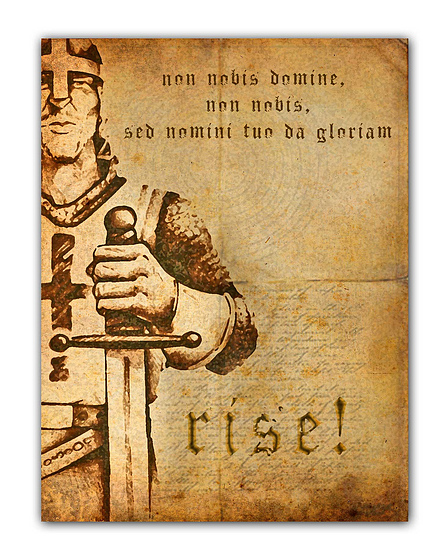
Non nobis is a short Latin hymn used as a prayer of thanksgiving and expression of humility. The Latin motto of the Knights Templar is “Non nobis Domine, non nobis, sed nomini tuo da gloriam.” Meaning in English, “Not to us Lord, not to us, but to Your Name give the glory.”
The Latin text derives from Psalm 113:9 (according to the Vulgate numbering), which corresponds to Psalm 115:1 in the King James Version. This prayer was also said after meals in England and is a famous song.
The idea of ‘Non nobis’ was caught from Holinshed, who says: “the king . . . gave thanks to almighty God for so happy a victory; “causing his prelates and chaplains to sing this psalm:
“In exit Israel de “Aegypto”; and commanded every man to kneel down on the ground “at this verse: “Non nobis, Domine, non nobis sed nomini tuo da gloriam.”
“Which done, he caused Te Deum, with certain anthems to be song; “giving laud and praise to God, without boasting of his own force or “any humane power.”
(Boswell-Stone, Shakespeare’s Holinshed, p. 197.)
(17) Ps. CXV1II, 9: It is better to trust in the Lord: then to put any
confidence in princes. Cf. Ps. CXLVI, 2: 0 put not your trust in princes, nor in any childe of man: for there is no helpe in them.
Compare:
“O, how wretched ” Is that poor man that hangs on princes’ favours!” etc. (Henry VIII., Act 111, Ii, 366.)
The song, “Non nobis Domine, non nobis, sed nomini tuo da gloriam ,” was said to be arranged by a man named, “William Bird”, or as the name is sometimes spelled, Byrd or Byrde, was the composer of this canon. Here is a video of the song performed at the end of the battle of Agincourt in the movie Henry V.
Another old song, concerning which there has been a controversy, is associated so exclusively with festive doings that we do not hear it or of it at any other time.When a grand banquet is held, and the choice viands have gone the way of all viands, and the chairman of the evening is doing his very best (or worst) to prepare some neat speeches for health-proposing, then does this song make itself heard. Non Nobis Domine is, indeed, not quite a song; it is a grace after meat, something between a hymn and a prayer of thanksgiving; but very few of the guests think of it in that light. There is no controversy about tie words; they are simple, and traceable to a well-known source. “Non nobis, Domine, non nobis, sed nomini tuo da Gloriam,” is the Latin of “Not unto us, O Lord, not unto us, but unto Thy name give the praise.”
The composer, whoever he may have been, simply took these words, and composed music to them. The tune is of the kind called a canon, in which three voices take up the subject alternately. The first goes through the words once, arranged in six bars of common time: then he goes through them again, with a different order of notes; while the second singer takes up the first part, both singing together. Then the third singer, taking his share, begins with the first line of music, and so proceeds to the end, while the other two are singing the second and third lines respectively.
The three lines of music harmonise, and blend pleasantly to the ear; they are almost alike, differing chiefly in pitch or register. All the three singers, too, sing the same words, though they are not pronouncing the same syllables at the same time. This is not a very scientific way of describing the affair; but perhaps it will suffice to give a general notion of the style of composition. Some composers have a great liking for the canon, and for another and somewhat similar composition called a round. In both the voices imitate one another, observing particular rules in the imitation. A madrigal and a glee are constructed on other principles. All four kinds may be arranged for three or more voices, according to the taste and skill of the composer.
Moe is the founder of GnosticWarrior.com. He is a father, husband, author, martial arts black belt, and an expert in Gnosticism, the occult, and esotericism.
Many people are not aware that the bible is not only a history book of human kind over the last 6,000 years, but it is also the story of astrology and cosmology as it relates to the various human “races.” Many of the characters depicted in the bible are not really people, but planets, stars, and their alchemical effect on our bodies and souls. For example, the biblical Ham is not an actual person per say, but a reference to the heavens in which Ham represents the human form of the planet Jupiter. The ancient authors of classical antiquity saw Ham’s father Noah and his sons to be the counterpart of Saturn.
Psalm cv. 23-27. Israel also came into Egypt, and Jacob sojourned in the land of Ham.” The Egyptians were said to have called Ham, the father of Egypt who was the chief or first patriarch of Africa. Ham in mythology is the son of the gods in the sky which is the planet Jupiter, and Ham was the youngest son of Noah, Jupiter was the youngest son of Saturn. Jupiter is said in the Mythology to have rebelled against his father Saturn. (more…)
Moe is the founder of GnosticWarrior.com. He is a father, husband, author, martial arts black belt, and an expert in Gnosticism, the occult, and esotericism.
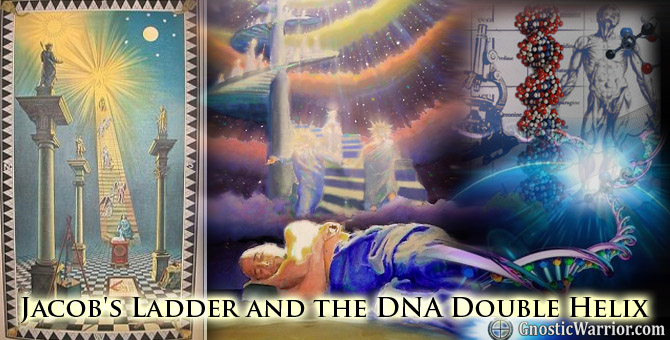
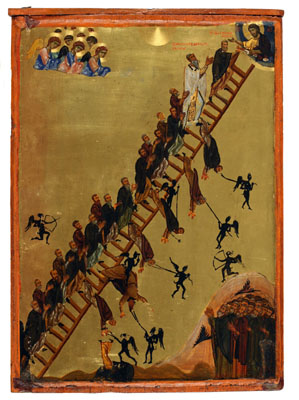
The story of Jacob’s Ladder is an ancient allegorical biblical tale, describing the alchemical process of reaching complete Gnosis, or what some may call Sainthood, Buddhahood or enlightenment. A symbolic ladder that we all must climb if we wish to reach the spiritual heights of the divine in the heavens while we are encased in physical matter here on earth. As we climb, we must purify ourselves, our thoughts, habits and actions, so that we may reach that seventh and final step of our ascent, in order to activate all of our seven senses and DNA.
Homer, the Greek author of both the Iliad and the Odyssey, who is revered as the greatest of ancient Greek epic poets had described Jacob’s Ladder as Jupiter’s chain reaching from heaven to earth, as it relates to the divine providence. This description of Jupiter’s chain by Homer is the key to the mysteries surrounding Jacob’s Ladder, that I feel deserves much more investigation than it has received, and that needs to be expanded upon to truly grasp the reality of this ancient mystery, which I hope to accomplish below.
Albert Pike had written in Morals and Dogma: “The Ladder by which it reascends, has, according to Marsilius Ficinus, in his Commentary on the Ennead of Plotinus, seven degrees or steps; and in the Mysteries of Mithras carried to Rome under the Emperors, the ladder with its seven rounds was a symbol referring to this ascent through the spheres of the seven planets.”
To grasp the secret truths behind the hidden mystery of Jupiter’s chain, we first must study the description of Jacob’s ladder which appears in Genesis 28:10-19;
Jacob left Beersheba, and went toward Haran. He came to the place and stayed there that night, because the sun had set. Taking one of the stones of the place, he put it under his head and lay down in that place to sleep. And he dreamed, and behold, there was a ladder set up on the earth, and the top of it reached to heaven; and behold, the angels of God were ascending and descending on it!
And behold, the Lord stood above it [or “beside him”] and said, “I am the Lord, the God of Abraham your father and the God of Isaac; the land on which you lie I will give to you and to your descendants; and your descendants shall be like the dust of the earth, and you shall spread abroad to the west and to the east and to the north and to the south; and by you and your descendants shall all the families of the earth bless themselves.
Behold, I am with you and will keep you wherever you go, and will bring you back to this land; for I will not leave you until I have done that of which I have spoken to you.” Then Jacob awoke from his sleep and said, “Surely the Lord is in this place; and I did not know it.” And he was afraid, and said, “This is none other than the house of God, and this is the gate of heaven.
CLUES TO THE STONE DECODED IN DANTE:
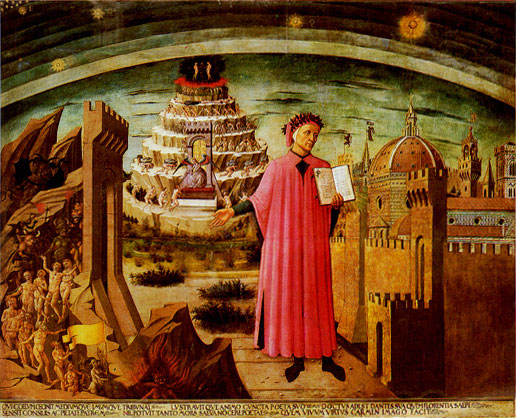
The famous Italian poet of the Middle Ages, Dante leaves us more clues to Jacob’s Ladder in his allegorical description of sin in a Divine Comedy. While Dante is a asleep, he dreams that he is in Troy when an eagle with golden feathers swoops down snatching him up as far as the fire, where he begins to burn. As Dante slept, a character described as a “shining-eyed St Lucy” picks him up from the Valley. On Dante’s awakening, Virgil explains that while Dante was asleep, Lucy (Inf. 2.97–102) had borne him from the Valley of the Princes to the steps of the Gate of Purgatory. The eagle tells Dante that God’s justice is not man’s. The damnation of those who never heard of Christ is just, the princes of the world though professed believers, may well be damned.
THE EAGLE IS THE PLANET JUPITER
Dante tells us, Jupiter is where rulers eminent for justice are disposed in the shape of an eagle representing earth’s noblest kings and potentates. The eagle, since ancient times has been a symbol of the planet Jupiter. The eagle with golden feathers swooping down to snatch up Dante is akin to the angels ascending down the ladder from Heaven to earth in the story of Jacob’s Ladder, and what Homer had described as Jupiter’s chain. The eagle then takes Dante as far as the fire.
LUCY IS LUCIFER AND THE PHOSPHORUS IN OUR DNA
If the eagle is an angel or spirit representing the planet Jupiter, then this fire Dante sees or feels must come from or be in the realm of this giant gas planet, which then leads us to the shining-eyed St Lucy. Lucy in Relation to Dante, is described by Virgil as the one who has borne him from the Valley of the Princes to the steps of the Gate of Purgatory. The key words above are fire and St Lucy. Lucy is very similar to “Lucifer”, which is just Latin for the Greek Φωσφόρος Phōsphoros, or Phosphorus; a name meaning “Light-Bringer”, is the Morning Star.
Lucy or Lucifer, the Morning Star is often associated with Venus, but NOT this Lucifer or Morning Star. This Lucy is connected to the other Morning Star that is the planet Jupiter which contains; guess what element? Yes, you guessed it, there is Phosphorus, or what we can call Lucifer on the planet Jupiter and its moons like Io. It is a scientific fact that there is a Great Red Spot on the planet Jupiter caused by complex organic molecules, red phosphorus. Phosphorus and H atoms to form PH3 have been observed in the stratosphere of Jupiter.
This same chemical energy is also the least abundant element cosmically relative to its presence in biology,” says Matthew Pasek of the University of South Florida.
I have written about Phosphorus and Lucifer before, where I have explained that Phosphorus is essential for life, and the phosphate is a component of DNA, RNA, ATP, and also the phospholipids that form all cell membranes. Simply put, without phosphorus we humans would simply not be human because our consciousness and our spiritual energy would not exist. It is through our DNA which contains phosphorus, that we become conscious to the world and who we are in order to live in the light. Hence, when Jacob lied down on the stone, or the fire that Dante sees that is called Lucy, and what Homer had said was Jupiter’s chain, is in fact just allegories to describe ‘Phosphorus’ which resides in our DNA.
JACOB’S PILLOW IS THE PHILOSOPHER’S STONE
Phosphorus is also the philosopher’s stone that is the central symbol of alchemy, symbolizing the light within our DNA and in nature. Phosphorus is commonly found in inorganic phosphate rocks and is the body’s source of chemical energy. The phosphorus atom is of the nitrogen family, but having that characteristic of firing. Without phosphorus, there would be no thought or wisdom. This is the atom that fires our blood to produce chemical energy, consciousness, creativity and life. It is the Fiat Lux of all nature. Hence, this is the fire Dante had saw in his dreams and is described as Lucy.
JUPITER’S CHAIN IS OUR DNA
When Homer had described Jupiter’s chain, he could not have been writing about an actual physical chain that connects from earth to Jupiter; this would be impossible since the giant gas planet is approximately 601 million miles (968 million km) away. Therefor, Homer must have been giving us clues that this chain was something that is hidden or metaphysical, but that does relate to the planet Jupiter. The giant gas planet I have written about quite a few times on this blog with articles such as Jupiter: Father of Men & Lord of the Heavens and What is Nibiru? The God of the sky called in mythology Nibiru by the Sumerians, Marduk by the Babylonians, Zeus by the Greeks, Yahweh and Adonai by the Israelites and Saint Peter by the Catholics.
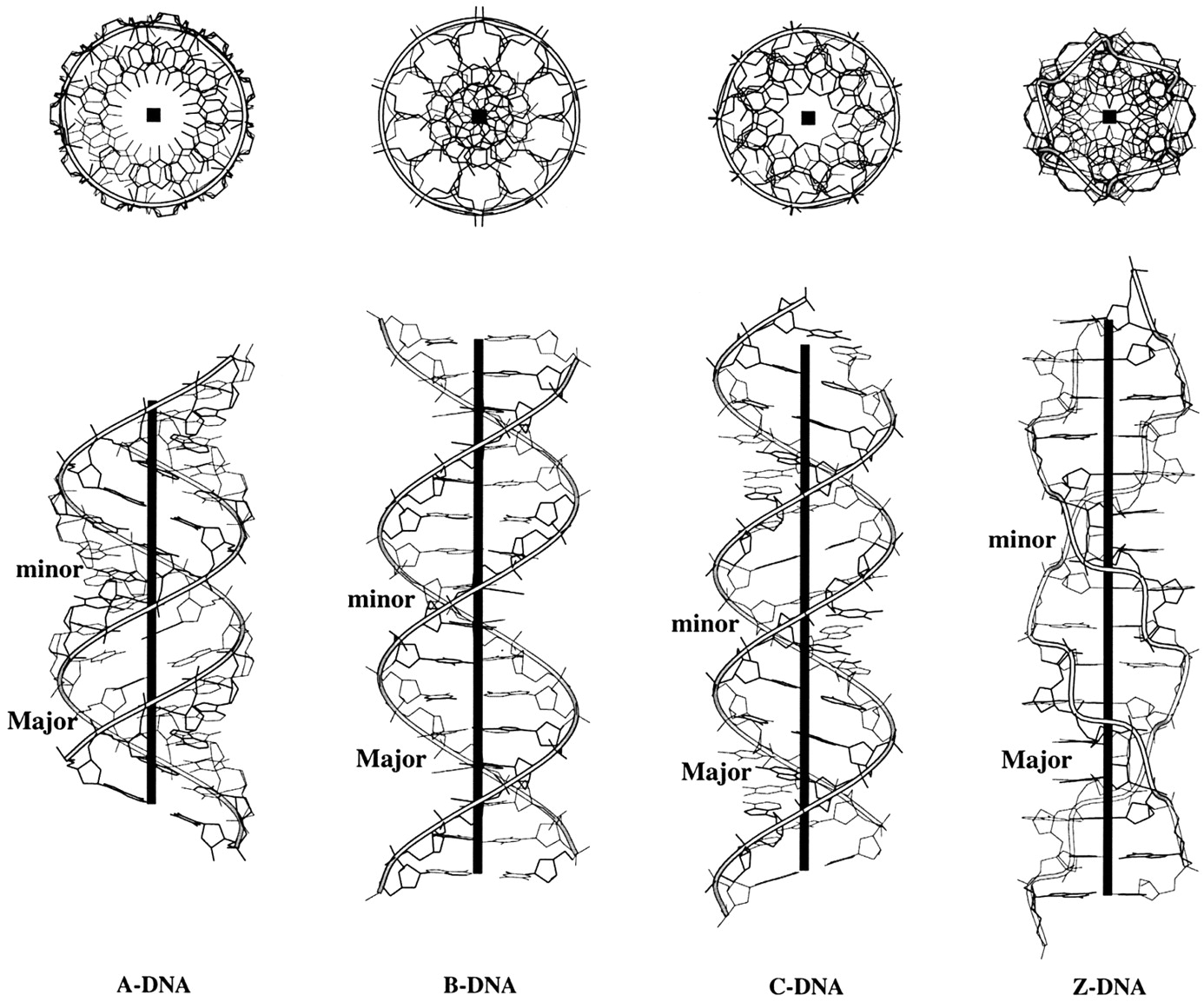
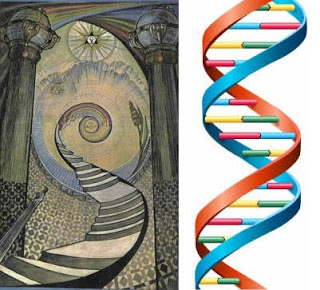
When I look at DNA and what Watson called the “double helix”, it looks like a twisted ladder. A ladder that reminds me of the story of Jacob’s Ladder in the bible, where in his dreams there was a ladder from earth that stretched to heaven where the angels of God were ascending and descending on it.
Could it be that Homer was alluding to the fact, that the planet Jupiter may be where we humans originate from, and that this chain is our connection to the spirit in the Heavens via our DNA Double Helix that the ancients had concealed in the allegory of Jacob’s Ladder or Jupiter’s chain? This may be exactly what Homer and the Fathers and Doctors of the Church were referring too in the allegorical tale of Jacob’s Ladder.
The ladder of DNA that contains the light of God, via the chemical energy river of past life memories that flows through our bodily organs such as our brain into our Ammon’s Horn, in order to access the inner Gnosis encoded in our very DNA Ladder. A ladder that rests on your spinal column and pulsates through the faculties on the mind here on earth that extends its spirit to the heavens. We must climb this ladder step by step to ascend to the light, and never miss a crucial rung of initiation on our path.
THE STEPS OF DNA ACTIVATION VIA JACOB’S LADDER WITH THE HELP OF MANLY P. HALL:
The first step of Jacob’s ladder is the personal purification of your body, mind and soul that is represented by the moon. The second rung on the ladder is education intelligence managed by Mercury. The third step is beauty represented by Venus. The fourth rung is the sun, which is the life-giver. The fifth is competition by mars to help us fight the good fight. The fight against darkness with light. Against lies with truth. The sixth rung in the ladder is Jupiter which is the symbol of intellectual maturity and judgement. The seventh and last step of the ladder is Saturn which represents the true sage, adept and master of Wisdom. The perfect balance of spiritual and material laws. All greatness is service and we must obey the laws of leadership.
JACOB’S LADDER FACTS:
Before the advent of Christianity, in Babylonia, Ishtar descends through the seven gates which led downward into the depths of the underworld. It was the ladder of the Mithras, a common symbol in Mithraic art in which the candidate went through seven stages of initiation. The Hellenistic JewishBiblicalphilosopherPhilo Judaeus, born in Alexandria (d. ca. 50 CE), in the first book of his De somniis wrote; “The angels represent souls descending to and ascending from bodies’ (some consider this to be Philo’s clearest reference to the doctrine of reincarnation). Saint Irenaeus, in the 2nd century describes the Christian Church as the “ladder of ascent to God”. In the 3rd century, Origen explains that there are two ladders in the life of a Christian, the ascetic ladder that the soul climbs on the earth, by way of—and resulting in—an increase in virtue, and the soul’s travel after death, climbing up the heavens towards the light of God.
Moe is the founder of GnosticWarrior.com. He is a father, husband, author, martial arts black belt, and an expert in Gnosticism, the occult, and esotericism.
(Updated 4/26/2013) – “Thou shalt have no other Elohim but Me” [Exod. xx. 3]. “Yahweh, He is the Elohim, Yahweh, He is the Elohim” [1 Kings xviii. 39]. “They are no Elohim, but the work of men’s hands” [2 Kings xix. 18].
The name of the Hebrew national god of the Iron Age kingdoms of Israel and Judah is Yahweh (Jahveh, Jehovah or Iehoua pronounced “yohweh” or /ˈjɑːweɪ/ or /ˈjɑːhweɪ/; Hebrew: יהוה) and In the Hebrew Bible, Yahweh is written as יהוה (YHWH). In the book of Jonah, the name Yahweh (Lord) is mentioned 22 times, , Elohim or El (God) 13 times, and the combination Lord God four times for a total of 39 references. The meaning of El in the Hebrew Scriptures is the singular form of the word God and Elohim is the noun plural version. Rabbinic Judaism teaches that the Tetragrammaton (י-ה-ו-ה), YHWH, is the ineffable and actual name of God, and as such is not read aloud in the Shema but is traditionally replaced with אדני, Adonai (“Lord”). The Gospel ofMark 12:29-30 mentions that Jesus of Nazereth considered the beginning exhortation of the Shema to be the first of his two greatest commandments: “The first of all the commandments is, Hear, O Israel; The Lord our God is one Lord: And thou shalt love the Lord thy God with all thy heart, and with all thy soul, and with all thy mind, and with all thy strength: this is the first commandment.” (KJV).
The royal court and temple of Israel had promoted Yahweh as God of the entire cosmos, possessing all the positive qualities previously attributed to the other gods and goddesses. In modern Judaism, the name Yahweh is replaced with the word Adonai, meaning Lord and most scholars believe “Jehovah” to be a late (ca. 1100 CE) hybrid form derived by combining the Latin letters JHVH with the vowels of Adonai. Adonai — often translated as “LORD”, it is read in place of YHWH; Samaritans say Shema, which is Aramaic for “the [Divine] Name” and is the exact equivalent of the Hebrew “ha-Shem“, which Rabbinic Jews substitute for “Adonai” in a non-liturgical context such as everyday speech.
In Greek, Yahweh (Jehovah) is no other person than Adonis (Adonai in Hebrew) who in Greek mythology, is the god of beauty and desire, and is a central figure in various mystery religions. The Greek Ἄδωνις (Greek pronunciation: [ˈadɔːnis]), Adōnis was a borrowing from the Semitic word adon, “lord” who I had established above is Adonai or Yahweh the God of Israel and Judah. The Syrian Adonis is Gauas or Aos, to Egyptian Osiris, to the Semitic Tammuz and BaalHadad, to the Etruscan Atunis and the Phrygian Attis, all of whom are deities of rebirth and vegetation.
Adonai, the name for both Deity and to man is used approximately 449 times in the Old Testament and 315 times in conjunction with Yahweh. In modern Judaism, the name Yahweh is replaced with the word Adonai, meaning Lord. This fact you can easily find on Wikipedia. Similar names that mean the same thing as Adonai , Adoni or Adonis you will find under such spellings as:
The following are forms, substantive and in combination, of certain names of the Supreme Being—the primary forms in each case being, so far as known, not yet determined.
In the last section is included the name of Titan, so renowned in ancient tradition, and which would be pronounced Tetan or Dedan, evidently meaning De-Dan = the God Dan, Eden, or Odin. Teutones is no doubt a form of the same expression— denoting the worshippers of the Deu or God Odin. Edon, it may be remarked, forms part of Caledonia.
There were other forms and combinations of these names of the Supreme Being;
The reason why we have all these various names and spellings, is because many of these interpretations have been passed down to us in different languages or cultures, and you will find that in some languages they simply do not use the same letters or words as they do in other cultures. For example, the Hebrew “Y” translated in Latin and Greek is “I”, and in the English/German “J.” Latin which was the language of the Romans did not have a “J”, nor did English until after 1630 A.D., and this is why in certain printings of the original King James Bible, God’s name is spelled “Iehoua.” Since the Ancient Romans did not use the letter J to write Jupiter, they instead wrote it as”Iu” from “Iupiter”, which simply means “Father God” in Latin. The English name Jove came later to Rome as an anglicization of the Iu” from “Iupiter,”
All these various interpretations over the course of hi-story and in different languages start to bury the truth in a heap of foreign words that act like the Egyptian sand over time. The confusion of tongues (confusio linguarum) is the initial fragmentation of human languages described in the Book of Genesis 11:1–9, as a result of the construction of the Tower of Babel. This event we can witness in Genesis 10:5,”Of these were the isles of the nations divided in their lands, every one after his tongue, after their families, in their nations.” Now it is our jobs to break out the scholarly shovels of discernment and reason, in order to dig these truths out from the dark and in order to bring it back to the light on the surface, from behind the veil of Isis.
In modern Christianity, the planet Jupiter is called Pater/Peter by the Greeks and Romans, because he is said to be the father of gods and men, and this is why ancient astrologers have always associated Jupiter with the birth of kings and Venus with fertility. Today in the religion of Christianity, the planet Jupiter or Yahweh is represented by the Christian savior Jesus who is really Je-Zeus or Jupiter, and is the true morning star spoken of in the bible. This past Christmas 2012, without a doubt, the brightest star in the sky was actually not a star at all, but the O Father Sky-God and the Father God of the Heavens, Yahweh, the planet Jupiter.
These facts that I stated above can be easily verified if you research ancient mythology for the past few thousand years. Jupiter was always known as the King planet, Father of the Sky, Father of the Gods and Lord of Heaven. In Sumerian texts, Jupiter is called mulu babber – “bright sun-like star”, and is also called Nibiru (Neberu) which simply means “ferry boat or to cross.” In Ancient Egypt, Jupiter was represented by the God Osiris, and to the Greeks Jupiter was called Zeus. The Romans used the Latin Zeu pater (Dyēus-pətēr, meaning “O Father Sky-God”, or “O Father Day-God” or “O, father Zeus”) who we now know as Jove, or Jupiter Ammon- since we have incorporated J into the English language.
Jupiter is simply the son of the Sun and God of all Gods in the AS ABOVE, in which on the SO BELOW, the supreme Pontiff in Rome are styled as the rulers of the lower world, AKA Earth. This is where we get the name Saint Peter in Roman Catholicism, and this is why Christ made Peter his vicar and pastor. A vicar is an “earthly representative of God or Christ” but also used in sense of “person acting as parish priest in place of a real person.”
1B. C. 164, the temple was restored to the worship of Jahveh, after three years of use for the worship of Jupiter.
My God, I will sing thy glory!
Praise Yahweh, for he is good,
For his grace endures forever.”
If you would like to know how important Yahweh, or Saint Peter (the planet Jupiter) is in religion, please look no further than the bible such as in James 1:27 where it is said; “Pure religion and undefiled before YHWH and the Father is this, to visit the fatherless and widows in their affliction, and to keep himself unspotted from the world, ‘ or in Isaiah 44:6; “Thus saith YHWH the King of Israel, and his redeemer YHWH of hosts; I am the first, and I am the last; and beside me there is no El.”
In this current sixth age in which we are in the 2013th year, the ancient worship of Yahweh or Jupiter has been replaced with the worship of an imposter Goddess named Ishtar or Isis in order to place humanity under her veil to hide the truth and light. The star of Isis is called the Dog Star Sirius, and her star is known to be brightest in the summer months. It is during this time that Sirius is known for its scorching characteristics, that when it is witnessed in the summer sky, she will bring on the dog days of summer where virtually little vegetation grows in the desert and many simply die.
Sirius rises late in the dark, liquid sky
On summer nights, star of stars,
Orion’s Dog they call it, brightest
Of all, but an evil portent, bringing heat
And fevers to suffering humanity.
This fact can be confirmed in the fifth century Elephantine papyri that states, “even in exile and beyond the worship of a female deity endured.” The texts were written by a group of Jews living at Elephantine near the Nubian border, whose religion has been described as “nearly identical to Iron Age II Judahite religion”. The papyri describe the Jews as worshiping Anat-Yahu (or AnatYahu). Anat-Yahu is described as either the wife(or paredra, sacred consort) of Yahweh or as a hypostatized aspect of Yahweh.
The wife of Yahweh, who we now know is really Jupiter, is the planet Venus. Jupiter is known as a masculine planet and Venus the feminine. In the ancient Egyptian religion Yahweh or Jupiter is the God Osiris and his wife is Isis. The planet Venus is symbolized by the Goddess Ishtar who later became Isis, and then in Roman Catholicism as the Virgin Mary and also her fertility cult that we now celebrate as Easter. Jupiter later was concealed under the code name of Jesus (Je-Zeus) in Christianity who was allegorically crucified on December 25 during the winter solstice, that we now celebrate as Christmas. The same time that as I stated above, the brightest star in the sky this past Christmas 2012 was not a star at all, but the Father God of the Heavens, Yahweh, the planet Jupiter.
“Give thanks unto Yahweh, for he is good,
His mercy endures forever!
It is better to trust in Yahweh than men,
Better in Yahweh than princes.
Blessed is he who comes in the name of Yahweh!
We greet them from Yahweh’s house.
God Yahweh gives us light;
Bind the festive offering with cords to the altar.
Thou art my God, I will praise thee!
RESEARCH LINKS (Also Highlighted in Yellow Above):
Moe is the founder of GnosticWarrior.com. He is a father, husband, author, martial arts black belt, and an expert in Gnosticism, the occult, and esotericism.

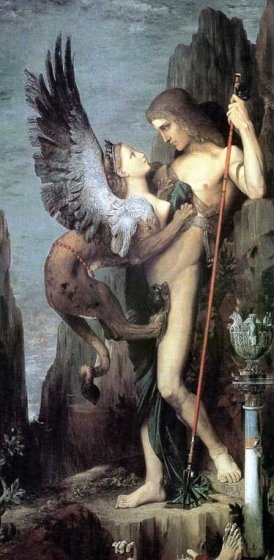 writings of the Egyptians, Assyrians, Greeks, or the Sumerians. To the Ancient Greeks- where much of our ‘current written’ ancient world history is derived from, the Nephilim were not even known, up until the 3rd century B.C. For example two of the greatest Greek historians who ever lived, Plutarch and Plato do not even mention the Nephilim once in their writings. However, I believe it is these historians where we get the “plot of the Nephilim biblical story.”
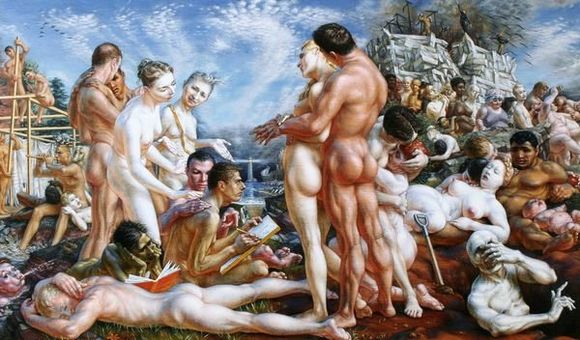 We are told in the bible that the Nephilim were on the earth in those days, and also afterward, when the sons of God came in to the daughters of men and they bore children to them. Those were the mighty men who were of old, men of renown” that are mentioned in the bible as the offspring of the “sons of God” and the “daughters of men.” In Greek culture, over the course of history there has been a large number of father gods and sons of gods; and in Ancient Greece there was actually a real family that were described in the same fashion- ” who were of old, men of renown and the sons of gods.” This race or particular family is mentioned by both Plato and Plutarch as “the oldest families in Thebes — a large part of the Boeotian aristocracy and the mighty men who were of old, men of renown.”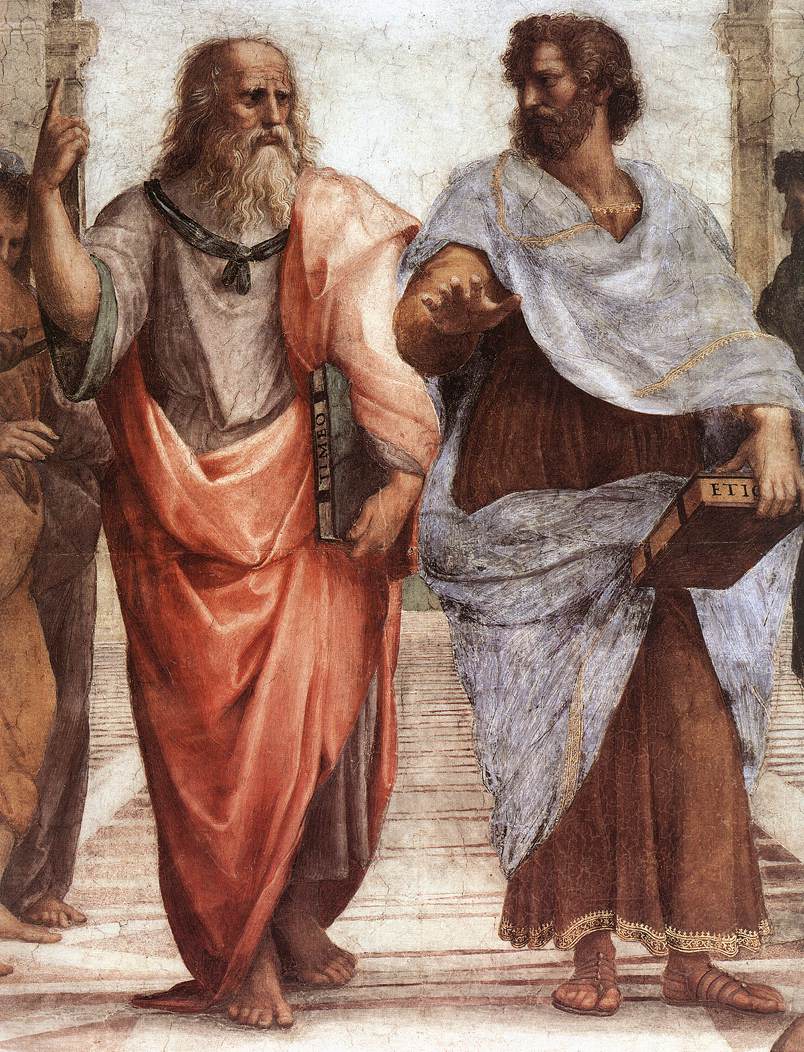
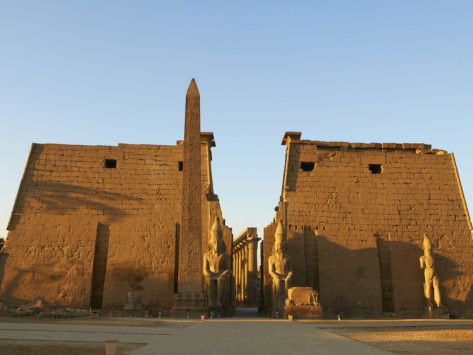 Based on the story above and my research on this blog, I would determine that the Nephilim are based on the real life history of this ancient family from Syria who we know of today as the sons of god. Their capital was at the city of the Ark, Thebes. The same exact area described in the bible as the Holy Land and where the priesthood of Amon-Ra had their strong hold. With its central location on the Nile, the priesthood of Thebes would be the main center of all the world’s manufacturing and creation for all arts, commerce and religion. A place where in actual true life history, Egyptian Pharaohs such as Ramesses II and his son, Ramesses III had communed with the gods at the temple of the Luxor, and even had set up two massive obelisks in front of it, one of which is now in Paris, France on display.