by Moe | Jun 3, 2013 | History of the Brotherhood, Lucifer
Dante, the Italian poet of the Middle Ages tells us the story of shining-eyed St Lucy in his allegorical description of sin in a  Divine Comedy. While Dante is a asleep, he dreams that he is in Troy when an eagle with golden feathers swoops down snatching him up as far as the fire, where he begins to burn.
As he was still sleeping, a character described as a “shining-eyed St Lucy” picks him up from the Valley.
Upon Dante’s awakening, Virgil explains that while he was asleep, Lucy had borne him from the Valley of the Princes to the steps of the Gate of Purgatory. The eagle tells Dante that God’s justice is not man’s and the damnation of those who never heard of Christ is just, the princes of the world though professed believers, may well be damned. Dante tells us Jupiter is where rulers eminent for justice are disposed in the shape of an eagle representing earth’s noblest kings and potentates. The eagle then takes him as far as the fire.
The eagle since ancient times has been a symbol of the planet Jupiter.
The eagle with golden feathers swooping down to snatch up Dante, seems to be like the angels ascending down the ladder from heaven to earth in the story of Jacob’s Ladder, and what Homer had described as Jupiter’s chain. If the eagle is an angel or spirit representing the planet Jupiter, then this fire Dante sees or feels must come from or be in the realm of this giant gas planet, which then leads us to the shining-eyed St Lucy whom Dante may have regarded as a kind of patron saint (Inf. 2. 98). Dante also mentions Lucia in Inferno Canto II, as the messenger “of all cruelty the foe” sent to Beatrice from “The blessed Dame” (Divine Mercy), to rouse Beatrice to send Virgil to Dante’s aid. Lucy in Relation to Dante is described by Virgil, as the one who has borne him from the Valley of the Princes to the steps of the Gate of Purgatory.
The key words above are fire, St Lucy and purgatory. Lucy is very similar to “Lucifer” which is just Latin for the Greek Φωσφόρος Phōsphoros, or Phosphorus, a name meaning “Light-Bringer.” Lucy’s Latin name Lucia shares a root (luc-) with the Latin word for light, lux. Phosphorus is commonly found in inorganic phosphate rocks and phosphate is the body’s source of chemical energy. The phosphorus atom is of the nitrogen family, but having that characteristic of firing. The planet Venus is normally associated with the morning star, but there is another morning star, and that planet is Jupiter. This largest planet in our solar system also contains the chemical element known as Lucifer or Phosphorus.
Saint Lucy is commemorated in the ancient Roman Martyrology as one of the seven women, apart from the Blessed Virgin Mary, commemorated by name in the Canon of the Mass. By the 6th century, her story was so sufficiently widespread, that she appears in the Sacramentary of Pope Gregory I. St. Aldhelm (English, died in 709), and later the Venerable Bede (English, died in 735) attest that her popularity had already spread to England, where her festival was kept in England till the Protestant Reformation, as a holy day of the second rank, in which no work but tillage or the like was allowed. (Wikipedia)
Moe is the founder of GnosticWarrior.com. He is a father, husband, author, martial arts black belt, and an expert in Gnosticism, the occult, and esotericism.
by Moe | Jun 3, 2013 | History of the Brotherhood
Saint Cuthbert was an Anglo-Saxon monk who was believed to be born in Melrose in 635 A.D. In 684 A.D. he 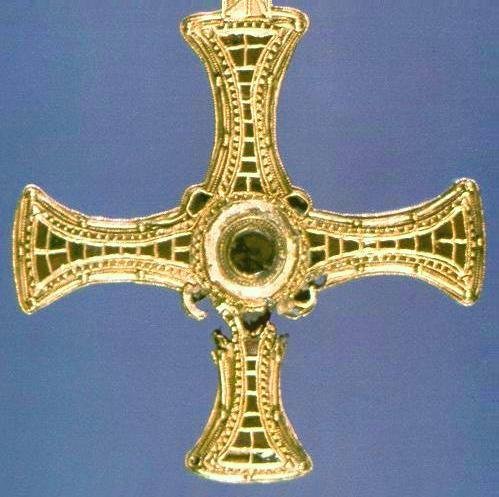 was consecrated as bishop at York of the monasteries of Melrose and Lindisfarne, in the Kingdom of Northumbria. Cuthbert had become bishop shortly after the Catholic conversion of the main Saxon Kingdoms in England who had converted to Christianity in the year 666 A.D by Frithwold (Erkenwald), bishop of London. Cuthbert’s territory had comprised of the areas of northern England, as well as south-eastern Scotland as far as the Firth of Forth.
According to Saint Bede, Cuthbert died on 20 March 687 AD and was buried at Lindisfarne. His feast day is 20 March and he is regarded as the patron saint of northern England, a protector of “his people.” Cuthbert’s remains later were transferred to Durham Cathedral. After his death there was a cult centered around the veneration of Cuthbert at Durham. Today it is called “St Cuthbert’s Society;” a college of Durham University who celebrates “St Cuthbert’s Day or “Cuth’s Day” on or around each March 20th, along with a feast celebrated around the time of Easter with food, entertainment, festivities and drinking.
The body of Cuthbert lies in a coffin at Durham along with the head of King Oswald; his arm was kept in a silver case at Bambrough. In 1827 Cuthbert’s remains were examined and a small golden cross patee was found on his chest set with garnets. The cross is beautifully decorated and some have said it was actually the “Seal of Cuthbert.”
It is perfectly described in the book, “The history and antiquities of the county palatine of Durham, Volume 1 by William Fordyce;
A cross of pure gold, as has been ascertained by investigation, found upon the breast-bone of the skeleton, slung from its neck by a cord of silk and gold thread running through a bright loop of. the latter material, and set with fifty-three stones, apparently garnets. The cross, with the stones, weighs fifteen dwts. twelve grs.
Moe is the founder of GnosticWarrior.com. He is a father, husband, author, martial arts black belt, and an expert in Gnosticism, the occult, and esotericism.
by Moe | Jun 1, 2013 | Brain, DNA
Gnosis (Greek for knowledge) in its simplest form is the intuitive spiritual knowledge that comes with knowing thyself. A type of computer code encoded within each of our own DNA that contains unique “genetic knowledge” or “intuitive insight” that each of us are born with. A computer hard drive in our blood that we can use to help us think, reason, intuit and form knowledge with the help of our very own DNA.
If we are to become genuine Gnostics or people who truly know THYSELF, then we must look to science that is proving our very own DNA plays a large role in who we are. The social engineering that we have endured since birth in this current world plays a major part in “where we are at in life,” and our “roles as citizens,” but this artificial propaganda and engineering does not define who we truly are inside.
It has already been scientifically proven that we are chemical energy beings inside of material bodies made of skin, bone and blood that is comprised of the very DNA of all our ancestors. These chemical energies and history books that are encoded in our DNA are what we humans tap for Gnosis and intuition. Once you realize this scientific fact, the socially engineered chains of the illusion we live in and the webs of man made vice start to break free from your soul.
The research below details that our health, DNA, thinking, knowledge and Gnosis all work together in determining who we are, how we live and how we die.
THINKING WITH OUR BODIES
We think big. We think out loud. We think outside the box. We think on our feet. But what we don’t do is think entirely inside our heads. Thoughts aren’t confined to our brains — they course through a network that expands to our bodies, perhaps eliminating, at times, the need for complex thought.
The notion that we think with the body — the startling conclusion of a field called embodied cognition — flies in the face of long-standing views. Early cognitive psychologists defined thought as an activity that resides in the brain: Sensory data come in from eyes and ears, fingers and funny bone, and the mind turns these signals into disembodied representations that it manipulates in what we call thinking.
Sure, the body may collect sensory information, like a computer collects information via mouse and keyboard, but according to the traditional view of cognition, it’s the brain that does the thinking.
But dozens of studies over the past decade challenge that view, suggesting instead that our thoughts are inextricably linked to physical experience. As University of Toronto psychologist Spike Lee puts it, bodily states “aren’t some extraneous thing — they’re part of the thinking process.
Also, scientist are now finding out that Thinking may be bad for your DNA;
According to the study by Suberbielle et al. published in this issue of Nature Neuroscience, DSBs are also produced when the brain is at work (during exploration tasks), or when neurons are aberrantly activated during an epileptic seizure or by artificial stimulation by optogenetic techniques. The authors further showed that the DSBs are not produced as a response to stress hormones, but are rather produced by the normal neuronal activation of the NMDA glutamate receptor; a key receptor involved in neuroplasticity
I was thinking that if thinking is bad for your DNA, then would it not make sense that not thinking would be good for your DNA or that thinking loving thoughts would be good for your DNA? Heck, all this thinking is really starting to make my DNA hurt….
My further research into this ‘matter’ quickly led me to Herbert Benson of Harvard Medical School, who in the 1960s had coined the term relaxation response. What Dr. Benson had invented in the 60’s is really not a new invention at all, but the simple act of meditating, clearing the mind and relaxing. This would of course be the opposite of bad thinking and the stress response that floods our bodies with poisons, stress hormones, raises our blood pressure and elevates our heart rate. By meditating, we are using the relaxation response method that places us in a state of deep rest, which decreases metabolism, relaxes muscles, slows heart rate, lowers blood pressure, and in term will improve not only our health, but also our DNA.
Here is an article that states, “Emotions Can Change Your DNA”;
Cell biologist Glen Rein … and IHM Research Director Rollin McCraty conducted a series of experiments in the early 1990s involving DNA and intentionally generated emotions. A decade later interest in these experiments persisted. After numerous requests, McCraty summarized their data and published the results of the research in 2003 in a brief report titled Modulation of DNA Conformation by Heart-Focused Intention.
“The results provide experimental evidence to support the hypothesis that aspects of the DNA molecule can be altered through intentionality,” Rein and McCraty wrote. “To our knowledge, this study was the first to correlate specific electrophysiological modes with the ability to cause changes in a biological target (DNA) external from the body. The data indicate that when individuals are in a heart-focused, loving state and in a more coherent mode of physiological functioning, they have a greater ability to alter the conformation (shape or structure) of DNA.”
Moe is the founder of GnosticWarrior.com. He is a father, husband, author, martial arts black belt, and an expert in Gnosticism, the occult, and esotericism.
by Moe | May 30, 2013 | History of the Brotherhood
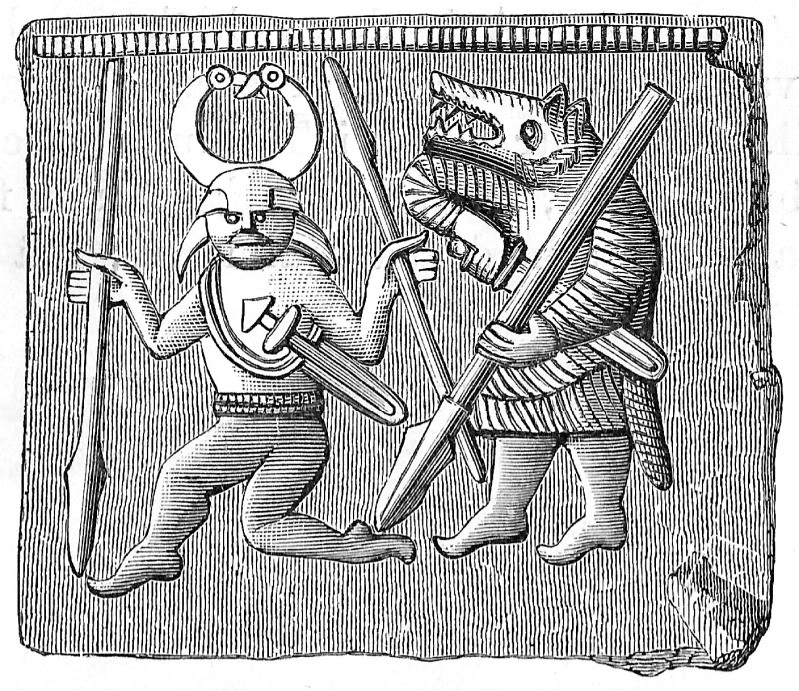
The Vikings were known for their notorious horned helmets. Here is an image of the Viking Norse God, Odin with his horned helmet and his upturned toed shoes.
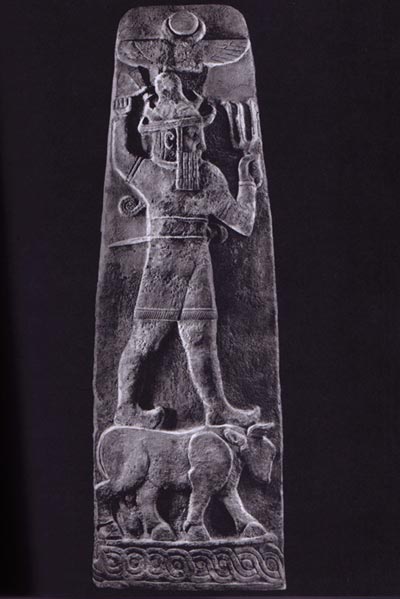
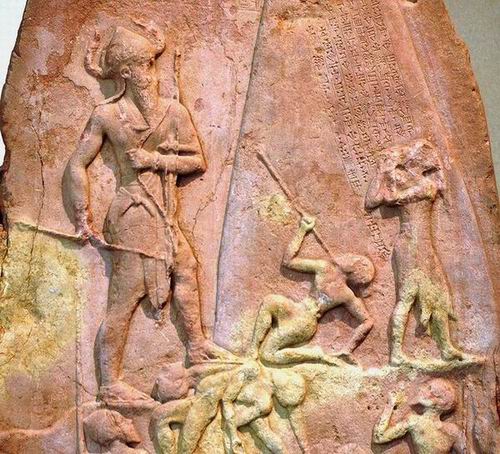
However, the Vikings were not the only people who were said to have worn or have been depicted in art with these horned helmets or Gods. The first people that I have found with this type of head gear were a people known as the Kheta, or the Hittites who were the sons of Heth (Ham, Amon or Jupiter). Here is an image of a Hittite God that I believe represents Jupiter, and is very similar to that of Odin above with the horned helmet and upturned shoes as well. Notice the Trident in his hands and the horned winged disk above his head.
The next people who I have seen in my research with these horns and even the upturned shoes are from the Twentieth Dynasty of the New Kingdom of Ancient Egypt, that I believe to be Israel. Horns and upturned shoes are worn by Ramesses III.
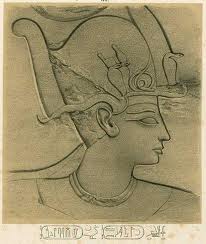
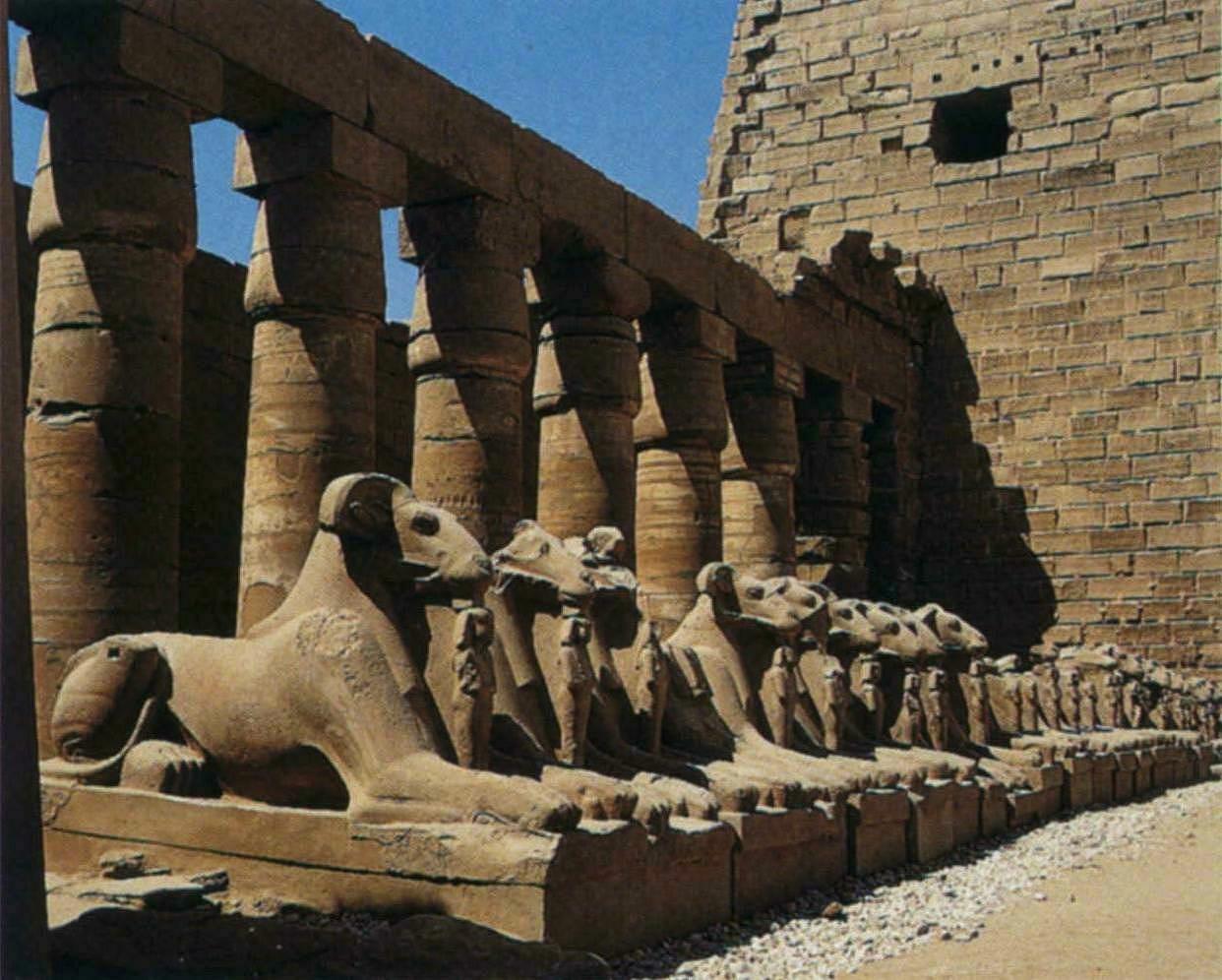
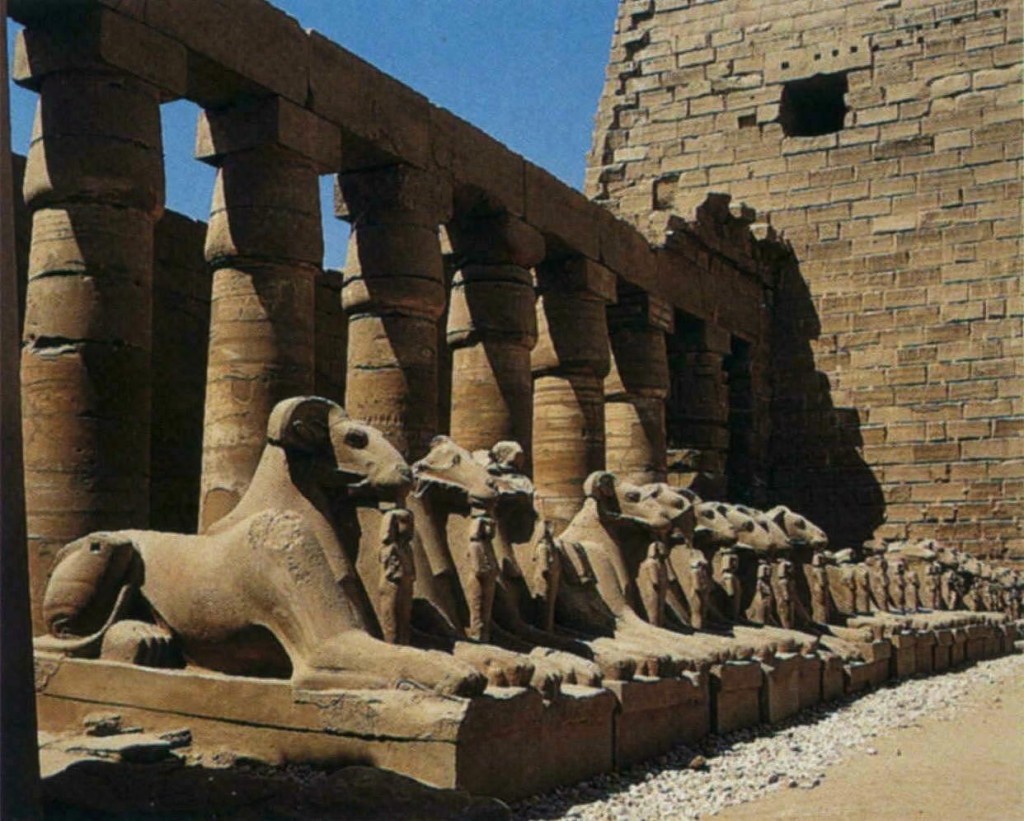
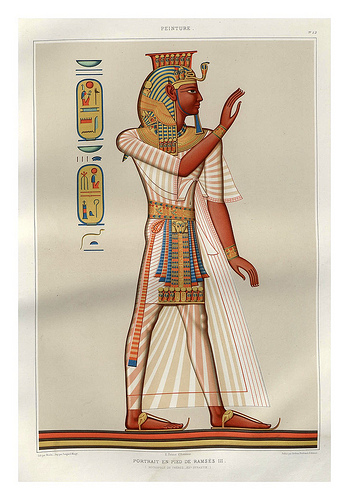 This tradition was carried on by the Priesthood of Jupiter Amon (Amun). The capital for their religion was located in the City of Light, or what we know of as Luxor. The God they had worshipped was god Amon-Ra (Jupiter-Amon). At the temple at Luxor there are many Ram Sphinxs that symbolize God Amon Ra.
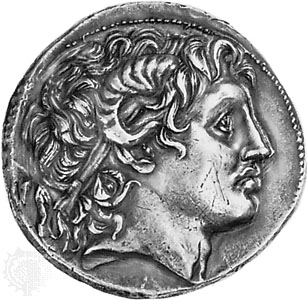
This coin below shows the horns of Jupiter-Amon on Alexander The Great around the period when the ancient city of Damascus was captured in 333 B.C.
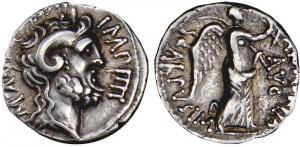
The image below is of Marc Antony on a Denarius 31 B.C. Cyrene. L. Pinarius Scarpus, moneyer with the horns of Jupiter Amon.
Here is one of the first images of the bronze “Ingot God” from Enkomi, 12th century BC, Cyprus
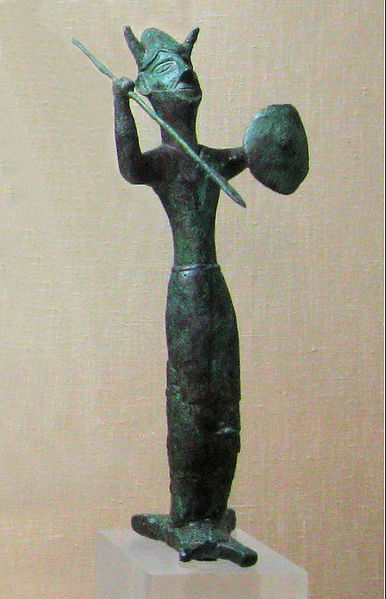
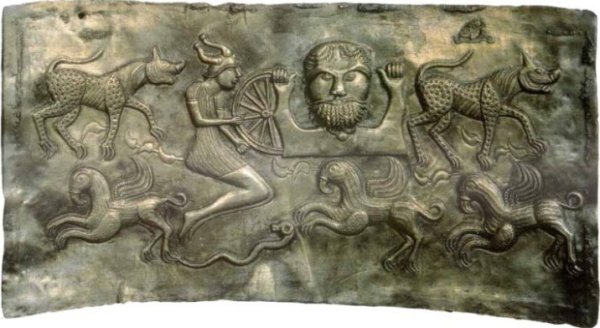
Plate C of the Gundestrup cauldron, 2nd–1st century BCE
The Waterloo Helmet, ca. 150–50 BC, found in the Thames (British Museum)
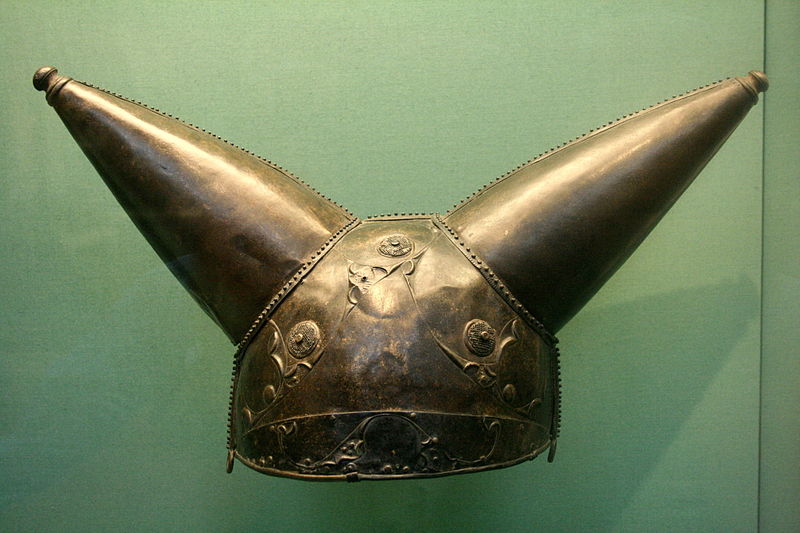
The question that we must ask is, “Who were the original people that had started this tradition?” All the evidence appears to point towards the Ancient Hittites who the later kingdoms of the Egyptians, Greeks and Vikings, who are seen with these very same exact horns, may very well be the descendants of the people known in the bible as the Hittites, the Sons of Heth (Ham) and the Kheta.
Moe is the founder of GnosticWarrior.com. He is a father, husband, author, martial arts black belt, and an expert in Gnosticism, the occult, and esotericism.
by Moe | May 30, 2013 | History of the Brotherhood, Meaning of Symbols
In the course of my search for my long-lost ancestors, that also involves science using DNA research, I have come across one 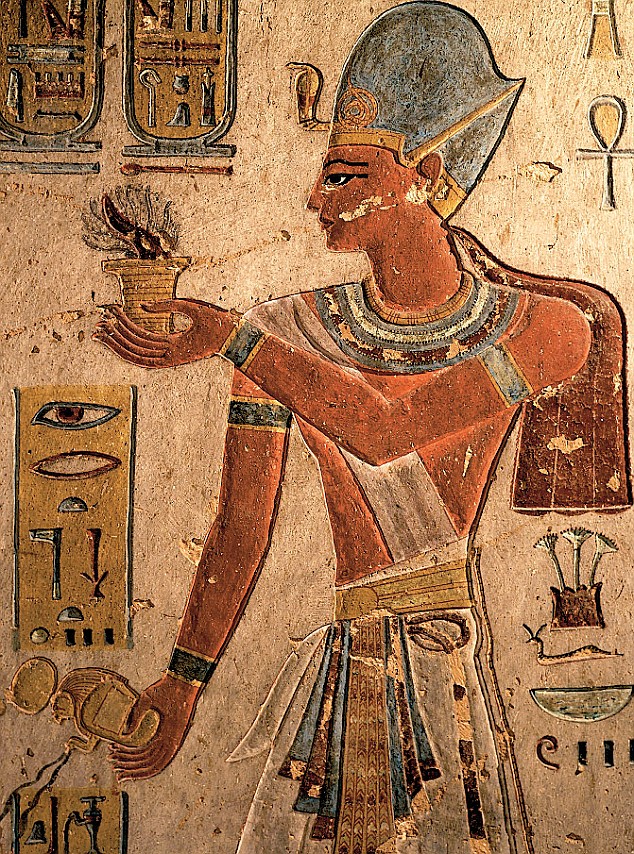 of my great ancestors who happens to be the Pharaoh Ramesses III of the Twentieth Dynasty of the New Kingdom of Ancient Egypt. Ramesses III, also called the Great (0r Sesostris), was the son of the founder of the dynasty, liberator of Egypt, and a great conqueror.
This article is not about me, but what I have found in my research that I would like to share with you, that show Ramesses III having quite a few similarities to that of King Solomon of the bible.
In my previous articles on Ramesses III, such as The Hittite and Egyptian Brotherhood – Part I, Israel – Hittites Become One Heart and One Soul with Egypt, and What race was Ramesses III?, I had detailed my theory that Ramesses III is the son who is the blood/DNA product of this Brotherhood that is a hybrid blood line that was neither entirely Egyptian, nor Hittite, but a new and improved mixed DNA of both kingdoms in their attempt to unify these super powers into a new Israel.
I had detailed the recent DNA findings of this Pharaoh and the fact that his blood line is of a New Dynasty that was a result of an Egyptian–Hittite peace treaty concluded between Egyptian Pharaoh Ramesses II and Hittite King Hattusili III. In these articles you can see the connections I make between these two empires, along with the fact that while Ramesses III had ruled as Pharaoh, he did not dress entirely like the previous Egyptian Pharaohs, but had incorporated Hittite attire such as the infamous upturned shoes/sandals- that were ONLY worn by the Hittites at that time. This connection to Solomon and the Israelites through these upturned shoes/ sandals can be verified in- Matt. 7:26, where JEHU and the Israelites having shoes with upturned toes, while the Assyrians to whom they were paying tribute were wearing sandals with heel caps.
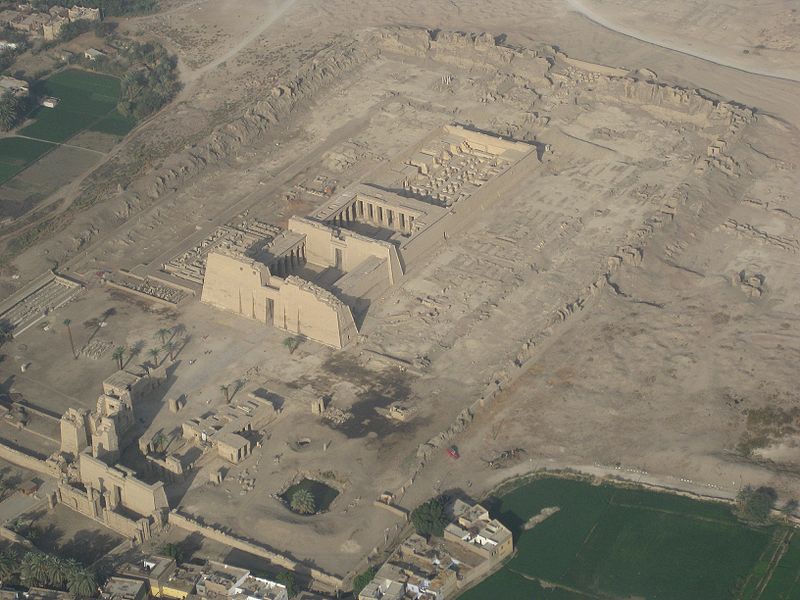
The next connection that I would like to make between the Israelites, King Solomon and Ramesses III is the ancient craft of Temple building, since King Solomon would be best known for the construction of Solomon’s Temple. Please let it be known that Ramesses III was also a great builder who had built several temples during his reign, with one of the most famous being the “Temple of Ramesses III,” also known as Medinet Habu. The “Temple of Ramesses III sounds very familiar to the Temple of Solomon, but the similarities between the allegorical character known as Solomon and the real king Pharaoh known as Ramesses III do not stop here.
The Temple of Ramesses III Looks Almost Exactly Like the Temple of Solomon Ramses III made his temple of Medinet Habu at the eastern gateway of Thebes as the administrative head of Amon. It was the last monumental temple to have been built-in the New Kingdom (20th Dynasty 1 198-1 167 B.C.).
Here is an actual areal photograph of the Temple of Ramesses III, or Medinet Habu.
Now below is a depiction of Solomon’s Temple. If you compare the image below with the picture above, they look like they are both built very similar to each other. Of course, The Temple of Ramesses III is real, and it may indeed be the Temple of Solomon that was also known as the temple of Amon in the house of Amon “; that of Re’, “the temple of Ramses III. in the house of Re’ “; that of Ptah, “the temple of Ramses III. in the house of Ptah,” and so on.
 Solomon was renowned for his other building projects, and like Solomon, Ramesses III was also known for the same thing. King Solomon had received wood from King Hiram of Tyre and imposed a compulsory labor service on both the Israelites and the foreign nations that were under his control. Ramesses III received assistance from his blood and royal alliance with the Hittites.
Solomon was the son of King David and Bathsheba. Ramesses III was the said to be son of Setnakhte (or Setnakht) who was the first Pharaoh (1189 BC–1186 BC) of the Twentieth Dynasty of the New Kingdom of Ancient Egypt and his mother was Tiy-merenese, Teye-Merenaset,Tiye-Mereniset (Tiy, Beloved of Isis). The name “Mer en Set” is both an Egyptian Coptic Phrase and Initiatory Title from the Budge version of the Egyptian Book of the Dead – it means Beloved of Set. She may also be named Meryetamun, daughter of Ramses II. Mer sounds very familiar to “Mary or the Virgin Mary.” Ramses III had also undertaken several naval expeditions that appear to harmonise with those of Solomon. Both the Egyptain Empire and the Hittite Empires were forces to be reckoned with at this time. Hittite King Hattusili III’s daughter was a Babylonian Princess named Puduhepa who Ramesses II would then marry, and give her an Egyptian name, Maathorneferure.
It is said that Maathorneferure’s original name is unknown, but her Egyptian name translates as “One who sees Horus, the invisible splendor of Ra.” Just as the Queen of Sheba travelled to Jerusalem in search of King Solomon with a very great retinue, with camels that bore spices, very much gold, and precious stones; we also find that this Hittite princess left Hattusa, the Hittite capital in late 1246 BCE to meet her future husband, Pharaoh Ramesses II. She was accompanied by her mother and a huge contingent laden with gold, silver, bronze, cattle and sheep, and slaves.
Is this all a coincidence, or do all these connections prove that the formation of the Israelites was a result of the legal Peace Treaty of Brotherhood for all time made in Stone between the Egyptians and the Hittites (Kheta)? Does this help prove that there was a real King David in Ramesses II with his real life son known in the bible as King Solomon and in stone as Ramesses III? I will let you be the judge.
Moe is the founder of GnosticWarrior.com. He is a father, husband, author, martial arts black belt, and an expert in Gnosticism, the occult, and esotericism.