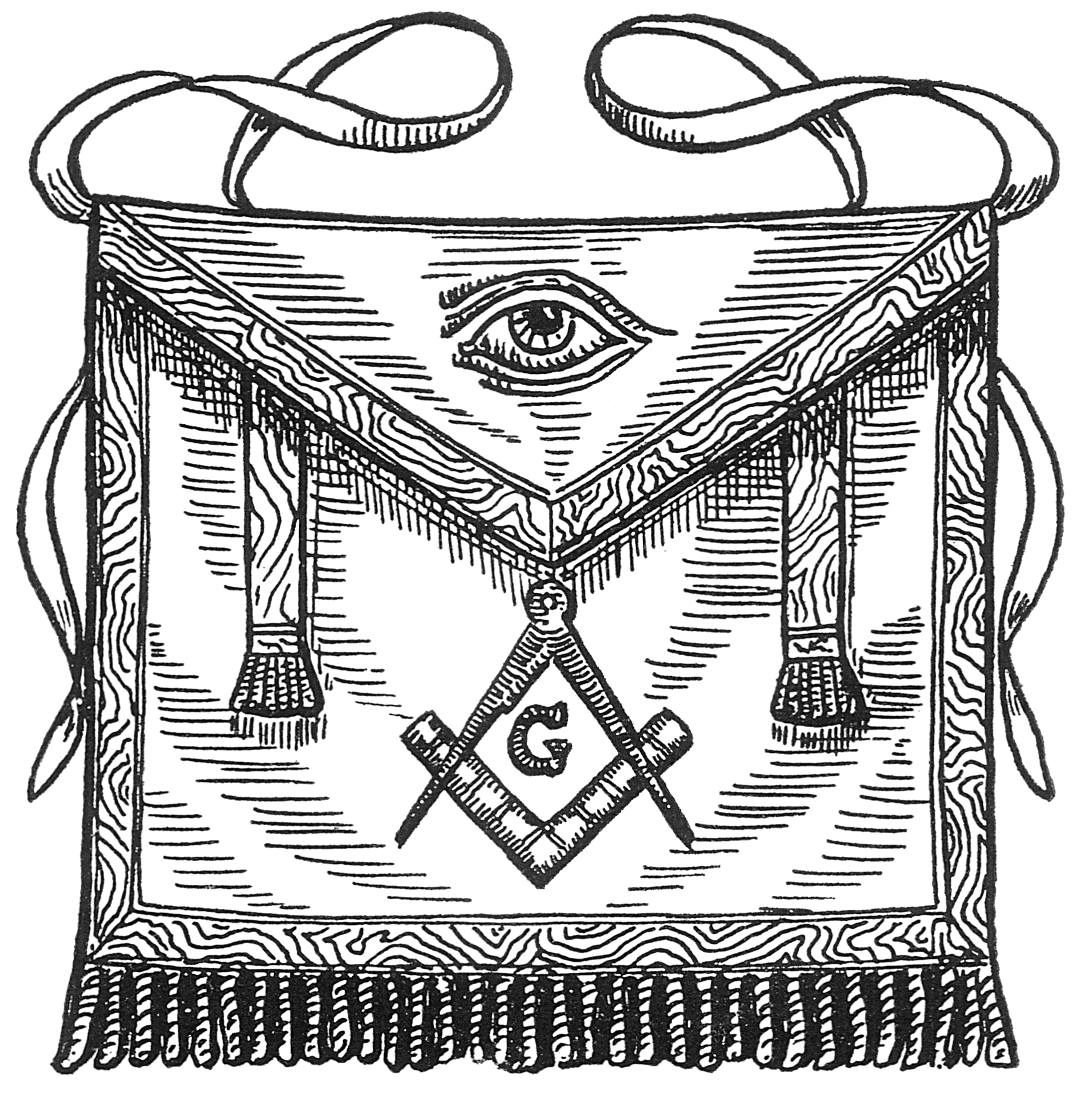
by Moe | Mar 2, 2013 | Apocalypse, Freemasonry, Tattoos
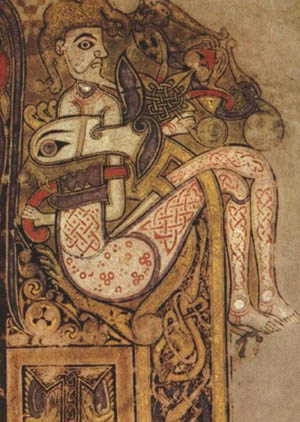 During the course of my research into ancient tattoos, I had come across this fascinating book on Gnosticism written during the 18th century. The book is titled, The Gnostics and Their Remains, Ancient and Mediaeval by Charles William King and in it the author describes this mysterious tattooed man that adorns the artwork of the Book of Kells. He also relates these tattoos to a fascinating and believable connection between Ptolemy Philopator who had received Dionysiac brand-marks, St John, Masonic Brand marks and biblical prophecy.
This reference to the Book of Kells I had confirmed in my own library by seeing this man that is obviously heavily tattooed in a blue ink. There is also another tattooed man with blond hair covered with red Celtic knot tattoos that is pictured to the left.
It is interesting to connect the tattoos left by these ancient brothers and sisters from Egypt, to Greece, and then to the West in countries such as Gaul, Ireland, Scotland and Denmark. These revelations are just more historical clues that add to the mounting apocalyptic physical evidence that has been left by these peoples for us historians.
Below is the excerpt that I’m writing about from the book, The Gnostics and Their Remains, Ancient and Mediaeval;
“The Book of Kells” is a MS., written some time in the ninth century. In one of the facsimiles of its pages published by the Palæographical Society, amongst the ornamentation of one vast initial letter, the most conspicuous is the figure of a naked man, writhing himself amongst its most intricate convolutions.
This man’s body is entirely covered with “marks” of various forms; and from the circumstances under which the drawing was made we can safely assume that we have here preserved to us the portrait of a true Pict, taken from the life. (more…)
Moe is the founder of GnosticWarrior.com. He is a father, husband, author, martial arts black belt, and an expert in Gnosticism, the occult, and esotericism.
by Moe | Mar 2, 2013 | Quotes
The future is not something we enter. The future is something we create. – Unknown Gnostic
Moe is the founder of GnosticWarrior.com. He is a father, husband, author, martial arts black belt, and an expert in Gnosticism, the occult, and esotericism.
by Moe | Mar 1, 2013 | Freemasons, Meaning of Symbols
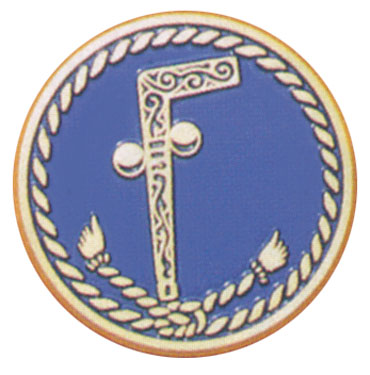 Since the beginning formations of the Brotherhood of the Order of the Quest, the end goal for all who joined was to have peace, unity, wisdom and love on earth. A simple goal to help place an end to the endless wars and human misery that have plagued our planet for thousands of years via a coordinated effort of like minded brothers, where the purpose of our Great Work was to help create a world that was unified under this common banner of peace, love, unity and justice for all. What some may call , “heaven on earth” or even a “Solomon’s Temple” that covers the globe.
In order to accomplish this monumental task, Tubal Cain and his descendants were instructed by God in Matthew 10:34 where it is said, “Do not suppose that I have come to bring peace to the earth. I did not come to bring peace, but a sword.” Tubal Cain is the widow’s son who originally was “a sharpener”—one who whets or sharpens instruments. (more…)
Moe is the founder of GnosticWarrior.com. He is a father, husband, author, martial arts black belt, and an expert in Gnosticism, the occult, and esotericism.
by Moe | Feb 28, 2013 | Meaning of Symbols
In the triangle we see spirit descending into the square of matter. Let us so purify matter that spirit may shine through it and make of us lights to guide the footsteps of humanity. – Manly P. Hall
For thousands of years, the color white was symbolized as a sign of innocence, perfection and purity of the heart. The ancient priesthoods had most often used some type of white garment represented by either a white robe or apron that they would issue to initiates of their secret mysteries.
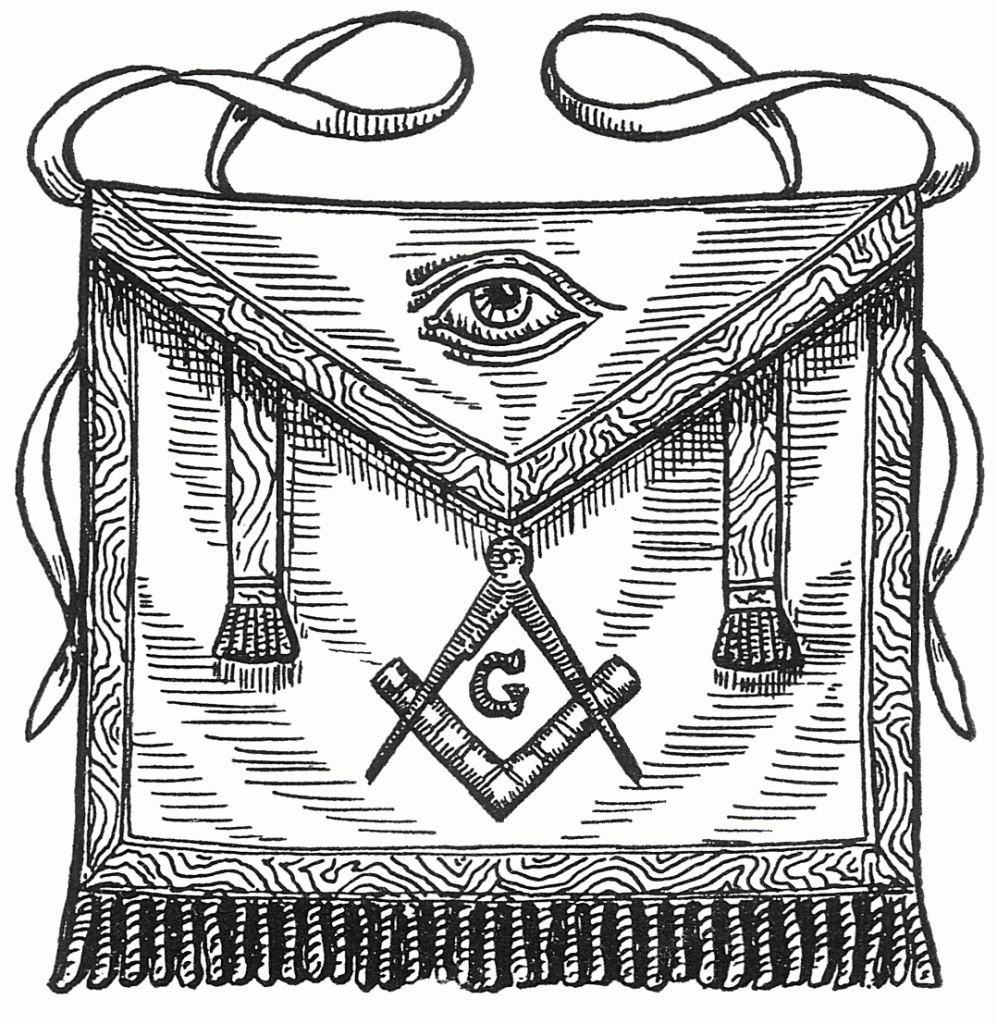
The Masonic Apron is designed to represent the human body separated into two distinct parts just like the image below of the upright and inverted pentagram symbols.
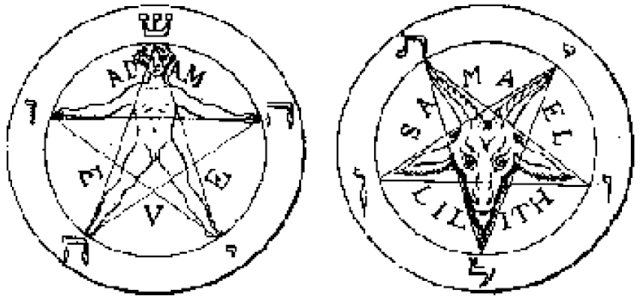 The upper portion of the Apron represents our higher, noble and spiritual selves. This would be our hearts and heads that are the seats of reason, intellect, spirituality, gnosticism and pure love. The pentagram man to the above left would also represent this spiritual quality, as does the image below.

The second separate area of our bodies is represented by the bottom portion of the Apron which would symbolize our lower selves that deal more with our natural animal natures and our passions. The upside down pentagram on the above right would also represent the lack of nobility, purity and spiritual quality.
The Masonic Apron is made of Lamb or Satin to signify innocence, purity and integrity. It is a symbol of the Masons newly attained spiritual purity and primary symbol of the ceremony of the First Degree. This Apron will accompany the Mason at every step of their progress through the remaining degrees and it serves as a continual memento as he walks his path to perfect and purify himself in order to best serve his family, brothers, lodge and all his fellow man.

Henceforth, the goal of the Freemason with his Masonic Apron is to subdue their passions in order to take a higher road than the rest of humanity in so that he can perfect and purify himself as he walks his path with the white emblem of light, truth, and love. A true human living representative of the philosophers stone as he tirelessly builds Solomon’s Temple which now expands the globe.
Moe is the founder of GnosticWarrior.com. He is a father, husband, author, martial arts black belt, and an expert in Gnosticism, the occult, and esotericism.
by Moe | Feb 28, 2013 | Apocalypse, Tattoos
“What greater glory could there be Than to be clothed with God? He drew His skin upon my skin, His blood upon my blood.” – 1754 English Hymn
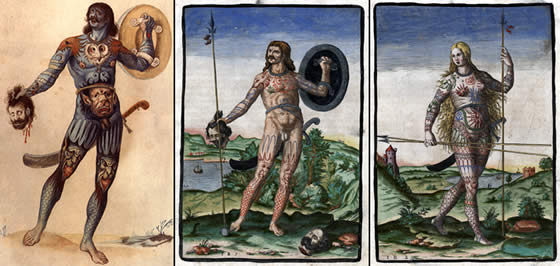
For thousands of years, tattoos have adorned the skin of many of our ancestors. It was said that in many tribes, that no one could tattoo other tribal members, but the priests; and the art of tattooing, like their religious customs, was passed down within the same families from one generation to the next. Hence, just like the priesthood was a profession whose teachings were hereditary, so was the marking of one’s skin.
These ancient accounts of painted men and tattoos come to us from all over the globe. However, my research below proves a biblical tattoo connection between the East and West that had really gained momentum when a dominant class of tattooed rulers from the early Egypt and Greek royal dynasties in approximately 2100 – 1500 BC had spread their custom around the world. (more…)
Moe is the founder of GnosticWarrior.com. He is a father, husband, author, martial arts black belt, and an expert in Gnosticism, the occult, and esotericism.