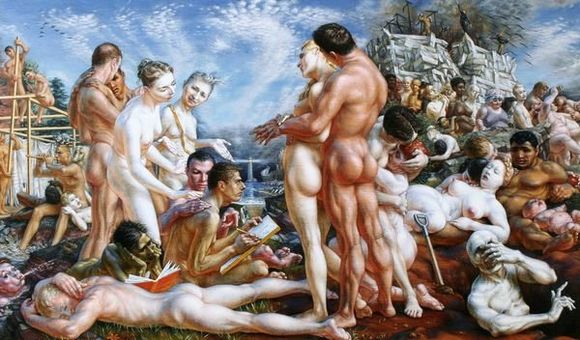
The name Nephilim is simply not an ancient word, but more a word of modern invention. If you research the ancient text of past civilizations, the name Nephilim cannot be found in the writings of the Egyptians, Assyrians, Greeks, or the Sumerians. To the Ancient Greeks- where much of our ‘current written’ ancient world history is derived from, the Nephilim were not even known, up until the 3rd century B.C. For example two of the greatest Greek historians who ever lived, Plutarch and Plato do not even mention the Nephilim once in their writings. However, I believe it is these historians where we get the “plot of the Nephilim biblical story.”
In studying the curious history of the Nephilim, I have found that it is simply not a name that we can trace back to any of the ancient empires who ruled the world over the last few thousand years. Hence, it is a modern name that was ‘invented’ to describe a “certain race of people or family” who are then mentioned twice in the Hebrew Bible, both in the Torah. The first is Genesis 6:1–4 NAS, immediately before the story of Noah’s ark (Wikipedia);
“Now it came about, when men began to multiply on the face of the land, and daughters were born to them, that the sons of God saw that the daughters of men were beautiful; and they took wives for themselves, whomever they chose. Then the LORD said, “My Spirit shall not strive with man forever, because he also is flesh; nevertheless his days shall be one hundred and twenty years.” The Nephilim were on the earth in those days, and also afterward, when the sons of God came in to the daughters of men, and they bore children to them. Those were the mighty men who were of old, men of renown.”
“So they gave out to the sons of Israel a bad report of the land which they had spied out, saying, “The land through which we had gone, in spying it out, is a land that devours its inhabitants; and all the people whom we saw in it are men of great size. There also we saw the Nephilim (the sons of Anak are part of the Nephilim); and we became like grasshoppers in our own sight, and so we were in their sight.”
We are told in the bible that the Nephilim were on the earth in those days, and also afterward, when the sons of God came in to the daughters of men and they bore children to them. Those were the mighty men who were of old, men of renown” that are mentioned in the bible as the offspring of the “sons of God” and the “daughters of men.” In Greek culture, over the course of history there has been a large number of father gods and sons of gods; and in Ancient Greece there was actually a real family that were described in the same fashion- ” who were of old, men of renown and the sons of gods.” This race or particular family is mentioned by both Plato and Plutarch as “the oldest families in Thebes — a large part of the Boeotian aristocracy and the mighty men who were of old, men of renown.”
The Word Cadmus in Hebrew, signifies One who came from the East, and seems to determine him to have been of the Race of (a) the Cadmonites, which was a People in Palestina, the fame with the Hivites, who anciently descended from (b) Canaan the Son of Ham. Harmonia deriv’d her Name from Mount Hermon in that Country. Many of these Cadmonites inhabited (s) Mount Hermon, which was the most eastern Part of the Land of Canaan, and signifies the lame, as (d) Tabor lay in, and signify’d, The IVeji. His Soldiers the Hivites Mt said to be changed into Serpents, because the fame Word both in Syriack and Arabics signifies a Serpent. He was the Improver of Brass, and therefore (e) the Stone of which it was made, was call’d Cadmia, and the fame Word in the Hebrew Language signifies both Brass and a Serpent.
These priest were Gnostics whose symbol was the serpent, and their god Serapis. The various spellings of the name Serapis are Sor-apis (Σέραπις, Attic/Ionian Greek), Sarapis (Σάραπις, Dorian Greek), Serapin (Greek Ὄφις), or in Hebrew Seraph. All these names mean ‘serpent.’ The name ‘seraphim’ is the plural form of serpent and is also said to mean, “the burning ones.” Serapis is the Hellenized version of the Egyptian Osiris-Apis.
This same family was said to be the descendants of the children of Pytho the Nisibian, said to belong to the Sparti (Spartoi). They were a race of warlike, earth-born warriors. Their descendants were all said to have a mythical birthmark, and some of these men we know today as Nephilim. They were the founders of many countries around the world. Men such as Seleucus, the founder of the country we know today as Syria and the Secloid Dynasty. He was said to be the son of the god Apollo and he had a mythical birthmark shaped as an anchor on his thigh.
Plato writes about the Sparti and the mythical white birthmarks of this family, Laws 728 A. 2 Horace, Epistles 1. 1. 106. 3;
“The Sparti, sprung from the dragon’s teeth sown by Cadmus. Just so no good man who imparts his goodness to another was ever thought to have less virtue by as much as he had bestowed. So divine and excellent is that possession, and most true is the saying of the Athenian stranger, whoever that inspired man may have been: “All the gold beneath the earth and above ground is too little to give in exchange for virtue.”
Let us therefore now boldly call its possessor wealthy, yes and I should say well-born also, and the only king among them all, if anyone agree to this. For as noble birth is better than a lowly pedigree, so virtue is better than a character not in all respects admirable. And let no one say that this statement is contentious and too strong, judging by the ordinary use of words. For the multitude are wont to say that the sons of those who have long been rich are well-born.
And yet is it not extraordinary that a cook or cobbler, yes, by Zeus, or some potter who has got money together by his craft, or by some other means, is not considered well-born nor is given that title by the many, whereas if this man’s son inherit his estate and hand it on to his sons, they begin to give themselves airs and compete on the score of noble birth with the Pelopids and the Heraclids?
Nay, even a man who is born of noble ancestors, but himself sinks down in the opposite scale of life, could not justly claim kinship with those ancestors, seeing that no one could be enrolled among the Pelopids who had not on his shoulder the birth-mark of that family. And in Boeotia it was said that there was the impression of a spear on the Sown-men.”
There are connections in Ancient Syria of the Nephilim to a place called Nepha-tes that is situated in the country of modern-day Armenia near Taurus, Antitaurus, and Mount Ararat. This is where the Tigris and Euphrates rivers take their rise in this country. At one time, Syria was divided into five kingdoms that had extended from Cilicia and mount Amanus to Arabia and Egypt, and from the Mediterranean to the Euphrates. The ancient names of these kingdoms were Commagene, Seleucis, or Syria Propria, CeeIo Syria, Phoenicia, JudaVa, or Palaestina (Palestine).
Some of these same kingdoms you will also find in the bible or on modern maps which also place the Nephilim in Syria and a place called Nephates. The same country founded by a man who was fathered by a god; Seleucus who also had a mythical birthmark as described by Greek historians. The country called Palestina back then, is known today as Palestine and also called the Holy Land, the Land of Canaan of Israel, and of Judah. The same land that was first divided into twelve tribes, afterwards into the kingdoms of Judah and Israel, and last by the Romans into several districts. Phoenicia would of course be the land of the Phoenicians.
The Ancient Syrian Kingdom of Commagene (Armenian: Կոմմագենէի Թագավորութիւն, Greek: Βασίλειον τῆς Kομμαγηνῆς) was an ancient Armenian kingdom of the Hellenistic Age.
Commagene was a small kingdom, located in modern south-central Turkey, with its capital at Samosata (modern Samsat, near the Euphrates). It was first mentioned in Assyrian texts as Kummuhu, which was normally an ally of Assyria, but eventually annexed as province in 708 BC under Sargon II. The Persian Empire then conquered Commagene in the 6th century BC, and Alexander the Great conquered the territory in the 4th century BC. After the breakup of the Alexandrian Empire, Commagene was a state and province in the Greco-Syrian Seleucid Empire.
The Hellenistic kingdom of Commagene, bounded by Cilicia on the west and Cappadocia on the north, arose in 162 BC. This was the year when its governor, Ptolemy, a Satrap of the disintegrating Seleucid Empire, declared himself independent. Ptolemy’s dynasty was related to the Parthian kings, but his descendant Mithridates I Callinicus (109 BC-70 BC) embraced the Hellenistic culture and married the Syrian Greek Princess Laodice VII Thea. His dynasty could thus claim ties with both Alexander the Great and the Persian kings. This marriage may also have been part of a peace alliance between Commagene and the Seleucid Empire. From this point on, the kingdom of Commagene became more Greek than Persian.
In Num. xiii. 33 the Nephilim are described as gigantic, and many dictionaries such as the Brown-Driver-Briggs Lexicon, gives the meaning of Nephilim as “giants.” Other explanations of the name base Nephilim as a word is a derivative of the Hebrew verbal root n-ph-l “fall.” Robert Baker Girdlestone gives good argument that the name comes from the Hiphilcausative stem, implying that the Nephilim are to be perceived as “those that cause others to fall down.” Adam Clarke took it as passive, “fallen,” “apostates.” Ronald Hendel states that it is a passive form “ones who have fallen,” equivalent grammatically to paqid “one who is appointed” (i.e. overseer), asir, “one who is bound,” (i.e. prisoner) etc. (wikipedia)
However, the “sons of God” are explained in the Targum to Genesis 6:4 and the Midrash (Gen. R. 26:5) as young aristocrats who married the daughters of commoners. This explanation would coincide with the true history told to us by Plato and Plutarch and also the other pertinent facts I have detailed above.
” And it came to pass when men (the Adam) began to multiply on the face of the ground and daughters were born unto them ; then the sons of God (the Elohim) saw the daughters of men (the Adam) that they were fair, and they took to them wives of all that they chose. And Jehovah said, My spiiit shall not for ever rule (or be humbled) in men, seeing that they are [or, in their error they are] but flesh, and their days shall be a hundred and twenty years. The Nephilim were in the earth in those days ; and also afterwards when the sons of < Jod (the Klohim) came in unto the daughters of men (the Adam), and children were born to them, these were the heroes which were of old, men of renown.”
It is clearly explained in Genesis 6:4 that the offspring of the Nephilim were “mighty men of old, men of renown”. This exactly coincides with the true history told to us by both Plato and Plutarch who had also called these people,”the mighty men who were of old, men of renown from Boeotia.” This must not be a coincidence and it appears that some of these bible stories are based on the teachings of these Ancient Greek historians.
Based on the story above and my research on this blog, I would determine that the Nephilim are based on the real life history of this ancient family from Syria who we know of today as the sons of god. Their capital was at the city of the Ark, Thebes. The same exact area described in the bible as the Holy Land and where the priesthood of Amon-Ra had their strong hold. With its central location on the Nile, the priesthood of Thebes would be the main center of all the world’s manufacturing and creation for all arts, commerce and religion. A place where in actual true life history, Egyptian Pharaohs such as Ramesses II and his son, Ramesses III had communed with the gods at the temple of the Luxor, and even had set up two massive obelisks in front of it, one of which is now in Paris, France on display.
Is this all a coincidence or just the Apocalypse (unveiling)?
In part two of my series of articles on Who were the Nephilim, I will explain more about this family or race of people from Thebes that we know of today as the Nephilim.
Moe is the founder of GnosticWarrior.com. He is a father, husband, author, martial arts black belt, and an expert in Gnosticism, the occult, and esotericism.
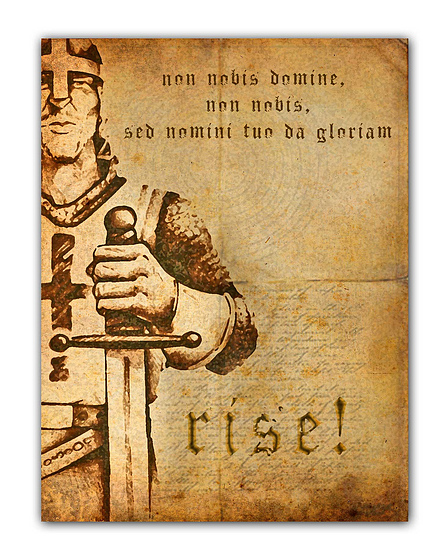
Non nobis is a short Latin hymn used as a prayer of thanksgiving and expression of humility. The Latin motto of the Knights Templar is “Non nobis Domine, non nobis, sed nomini tuo da gloriam.” Meaning in English, “Not to us Lord, not to us, but to Your Name give the glory.”
The Latin text derives from Psalm 113:9 (according to the Vulgate numbering), which corresponds to Psalm 115:1 in the King James Version. This prayer was also said after meals in England and is a famous song.
The idea of ‘Non nobis’ was caught from Holinshed, who says: “the king . . . gave thanks to almighty God for so happy a victory; “causing his prelates and chaplains to sing this psalm:
“In exit Israel de “Aegypto”; and commanded every man to kneel down on the ground “at this verse: “Non nobis, Domine, non nobis sed nomini tuo da gloriam.”
“Which done, he caused Te Deum, with certain anthems to be song; “giving laud and praise to God, without boasting of his own force or “any humane power.”
(Boswell-Stone, Shakespeare’s Holinshed, p. 197.)
(17) Ps. CXV1II, 9: It is better to trust in the Lord: then to put any
confidence in princes. Cf. Ps. CXLVI, 2: 0 put not your trust in princes, nor in any childe of man: for there is no helpe in them.
Compare:
“O, how wretched ” Is that poor man that hangs on princes’ favours!” etc. (Henry VIII., Act 111, Ii, 366.)
The song, “Non nobis Domine, non nobis, sed nomini tuo da gloriam ,” was said to be arranged by a man named, “William Bird”, or as the name is sometimes spelled, Byrd or Byrde, was the composer of this canon. Here is a video of the song performed at the end of the battle of Agincourt in the movie Henry V.
Another old song, concerning which there has been a controversy, is associated so exclusively with festive doings that we do not hear it or of it at any other time.When a grand banquet is held, and the choice viands have gone the way of all viands, and the chairman of the evening is doing his very best (or worst) to prepare some neat speeches for health-proposing, then does this song make itself heard. Non Nobis Domine is, indeed, not quite a song; it is a grace after meat, something between a hymn and a prayer of thanksgiving; but very few of the guests think of it in that light. There is no controversy about tie words; they are simple, and traceable to a well-known source. “Non nobis, Domine, non nobis, sed nomini tuo da Gloriam,” is the Latin of “Not unto us, O Lord, not unto us, but unto Thy name give the praise.”
The composer, whoever he may have been, simply took these words, and composed music to them. The tune is of the kind called a canon, in which three voices take up the subject alternately. The first goes through the words once, arranged in six bars of common time: then he goes through them again, with a different order of notes; while the second singer takes up the first part, both singing together. Then the third singer, taking his share, begins with the first line of music, and so proceeds to the end, while the other two are singing the second and third lines respectively.
The three lines of music harmonise, and blend pleasantly to the ear; they are almost alike, differing chiefly in pitch or register. All the three singers, too, sing the same words, though they are not pronouncing the same syllables at the same time. This is not a very scientific way of describing the affair; but perhaps it will suffice to give a general notion of the style of composition. Some composers have a great liking for the canon, and for another and somewhat similar composition called a round. In both the voices imitate one another, observing particular rules in the imitation. A madrigal and a glee are constructed on other principles. All four kinds may be arranged for three or more voices, according to the taste and skill of the composer.
Moe is the founder of GnosticWarrior.com. He is a father, husband, author, martial arts black belt, and an expert in Gnosticism, the occult, and esotericism.
Dante, the Italian poet of the Middle Ages tells us the story of shining-eyed St Lucy in his allegorical description of sin in a Divine Comedy. While Dante is a asleep, he dreams that he is in Troy when an eagle with golden feathers swoops down snatching him up as far as the fire, where he begins to burn.
As he was still sleeping, a character described as a “shining-eyed St Lucy” picks him up from the Valley.
Upon Dante’s awakening, Virgil explains that while he was asleep, Lucy had borne him from the Valley of the Princes to the steps of the Gate of Purgatory. The eagle tells Dante that God’s justice is not man’s and the damnation of those who never heard of Christ is just, the princes of the world though professed believers, may well be damned. Dante tells us Jupiter is where rulers eminent for justice are disposed in the shape of an eagle representing earth’s noblest kings and potentates. The eagle then takes him as far as the fire.
The eagle since ancient times has been a symbol of the planet Jupiter.
The eagle with golden feathers swooping down to snatch up Dante, seems to be like the angels ascending down the ladder from heaven to earth in the story of Jacob’s Ladder, and what Homer had described as Jupiter’s chain. If the eagle is an angel or spirit representing the planet Jupiter, then this fire Dante sees or feels must come from or be in the realm of this giant gas planet, which then leads us to the shining-eyed St Lucy whom Dante may have regarded as a kind of patron saint (Inf. 2. 98). Dante also mentions Lucia in Inferno Canto II, as the messenger “of all cruelty the foe” sent to Beatrice from “The blessed Dame” (Divine Mercy), to rouse Beatrice to send Virgil to Dante’s aid. Lucy in Relation to Dante is described by Virgil, as the one who has borne him from the Valley of the Princes to the steps of the Gate of Purgatory.
The key words above are fire, St Lucy and purgatory. Lucy is very similar to “Lucifer” which is just Latin for the Greek Φωσφόρος Phōsphoros, or Phosphorus, a name meaning “Light-Bringer.” Lucy’s Latin name Lucia shares a root (luc-) with the Latin word for light, lux. Phosphorus is commonly found in inorganic phosphate rocks and phosphate is the body’s source of chemical energy. The phosphorus atom is of the nitrogen family, but having that characteristic of firing. The planet Venus is normally associated with the morning star, but there is another morning star, and that planet is Jupiter. This largest planet in our solar system also contains the chemical element known as Lucifer or Phosphorus.
Saint Lucy is commemorated in the ancient Roman Martyrology as one of the seven women, apart from the Blessed Virgin Mary, commemorated by name in the Canon of the Mass. By the 6th century, her story was so sufficiently widespread, that she appears in the Sacramentary of Pope Gregory I. St. Aldhelm (English, died in 709), and later the Venerable Bede (English, died in 735) attest that her popularity had already spread to England, where her festival was kept in England till the Protestant Reformation, as a holy day of the second rank, in which no work but tillage or the like was allowed. (Wikipedia)
Moe is the founder of GnosticWarrior.com. He is a father, husband, author, martial arts black belt, and an expert in Gnosticism, the occult, and esotericism.
Saint Cuthbert was an Anglo-Saxon monk who was believed to be born in Melrose in 635 A.D. In 684 A.D. he was consecrated as bishop at York of the monasteries of Melrose and Lindisfarne, in the Kingdom of Northumbria. Cuthbert had become bishop shortly after the Catholic conversion of the main Saxon Kingdoms in England who had converted to Christianity in the year 666 A.D by Frithwold (Erkenwald), bishop of London. Cuthbert’s territory had comprised of the areas of northern England, as well as south-eastern Scotland as far as the Firth of Forth.
According to Saint Bede, Cuthbert died on 20 March 687 AD and was buried at Lindisfarne. His feast day is 20 March and he is regarded as the patron saint of northern England, a protector of “his people.” Cuthbert’s remains later were transferred to Durham Cathedral. After his death there was a cult centered around the veneration of Cuthbert at Durham. Today it is called “St Cuthbert’s Society;” a college of Durham University who celebrates “St Cuthbert’s Day or “Cuth’s Day” on or around each March 20th, along with a feast celebrated around the time of Easter with food, entertainment, festivities and drinking.
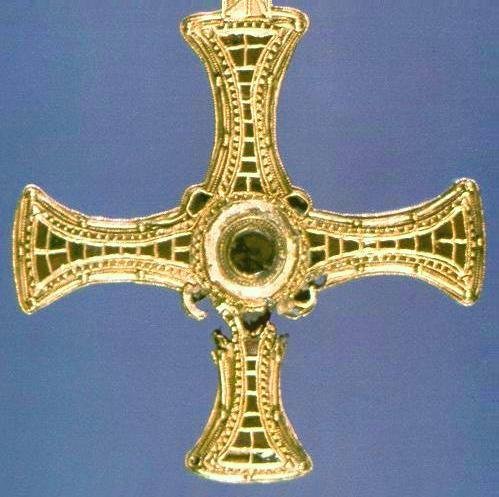
The body of Cuthbert lies in a coffin at Durham along with the head of King Oswald; his arm was kept in a silver case at Bambrough. In 1827 Cuthbert’s remains were examined and a small golden cross patee was found on his chest set with garnets. The cross is beautifully decorated and some have said it was actually the “Seal of Cuthbert.”
A cross of pure gold, as has been ascertained by investigation, found upon the breast-bone of the skeleton, slung from its neck by a cord of silk and gold thread running through a bright loop of. the latter material, and set with fifty-three stones, apparently garnets. The cross, with the stones, weighs fifteen dwts. twelve grs.
Moe is the founder of GnosticWarrior.com. He is a father, husband, author, martial arts black belt, and an expert in Gnosticism, the occult, and esotericism.
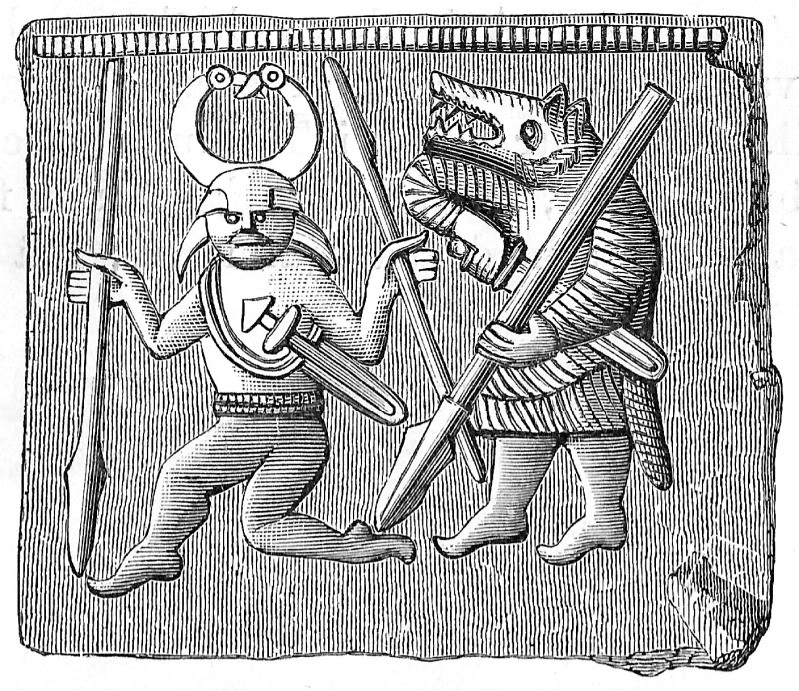
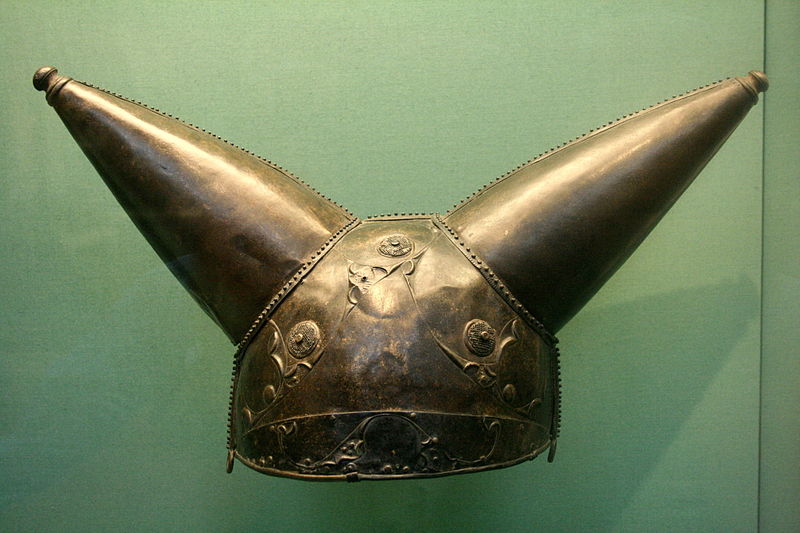
The Vikings were known for their notorious horned helmets. Here is an image of the Viking Norse God, Odin with his horned helmet and his upturned toed shoes.
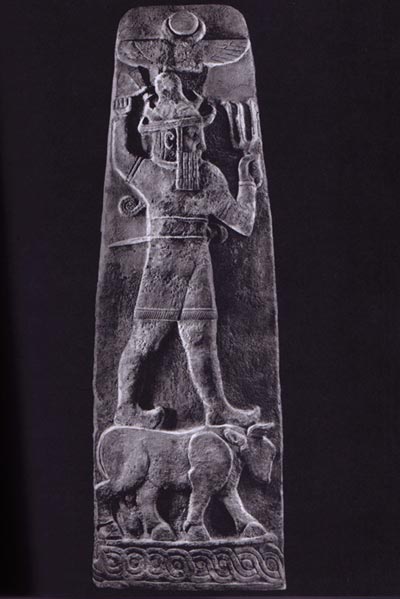
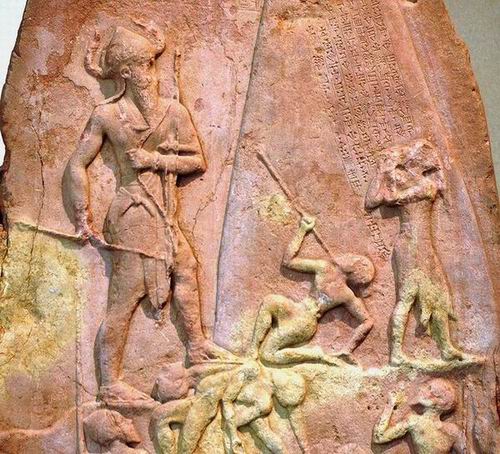
However, the Vikings were not the only people who were said to have worn or have been depicted in art with these horned helmets or Gods. The first people that I have found with this type of head gear were a people known as the Kheta, or the Hittites who were the sons of Heth (Ham, Amon or Jupiter). Here is an image of a Hittite God that I believe represents Jupiter, and is very similar to that of Odin above with the horned helmet and upturned shoes as well. Notice the Trident in his hands and the horned winged disk above his head.
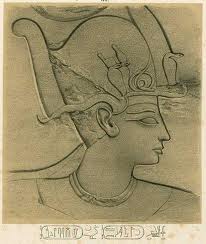
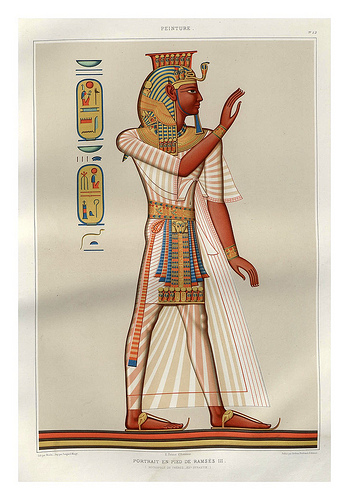
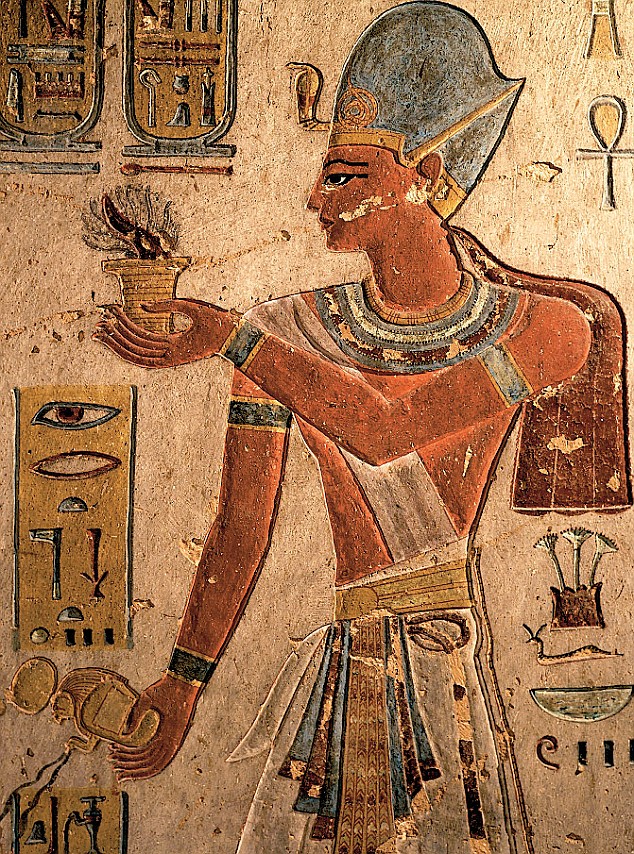
The next people who I have seen in my research with these horns and even the upturned shoes are from the Twentieth Dynasty of the New Kingdom of Ancient Egypt, that I believe to be Israel. Horns and upturned shoes are worn by Ramesses III.
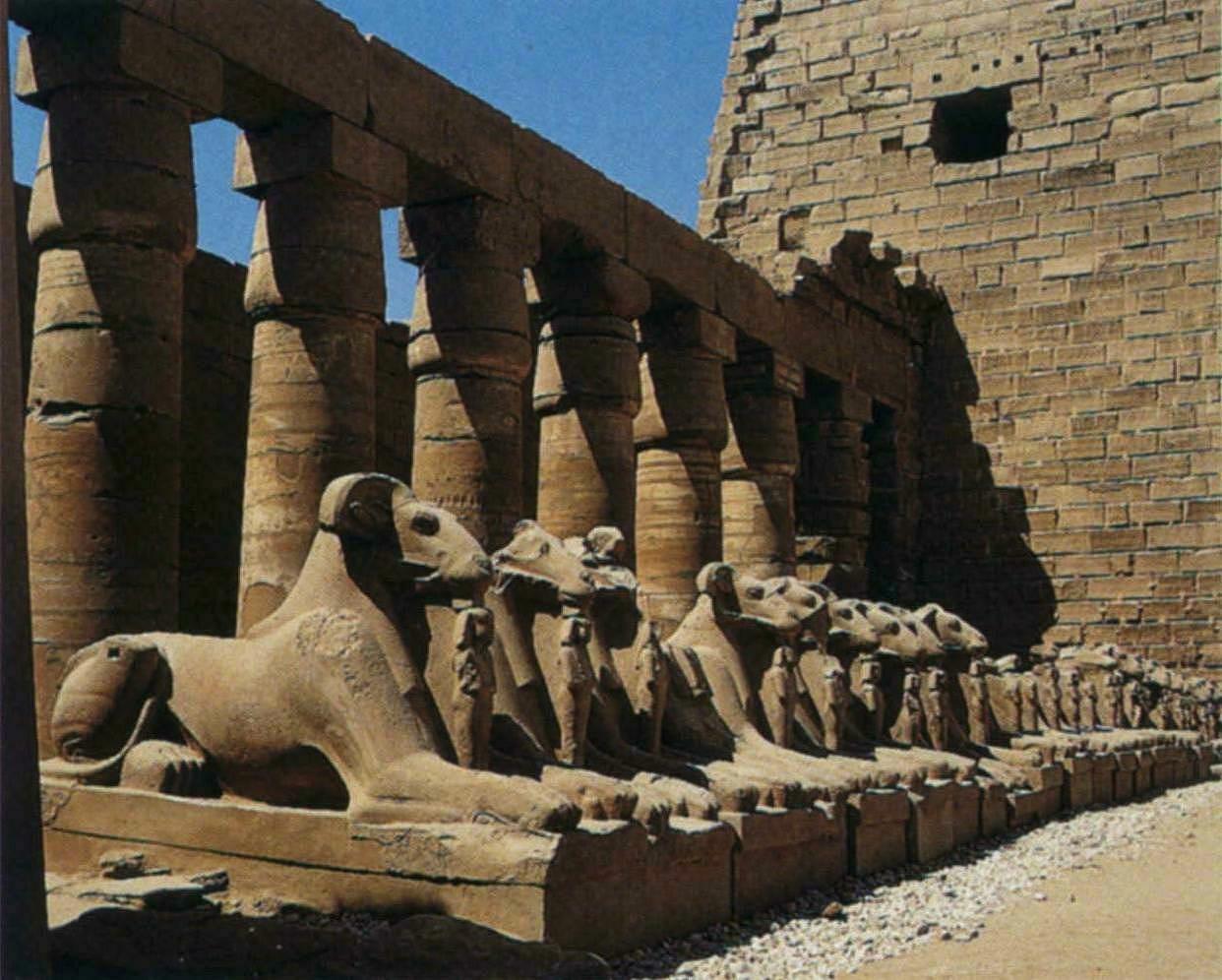
This tradition was carried on by the Priesthood of Jupiter Amon (Amun). The capital for their religion was located in the City of Light, or what we know of as Luxor. The God they had worshipped was god Amon-Ra (Jupiter-Amon). At the temple at Luxor there are many Ram Sphinxs that symbolize God Amon Ra.
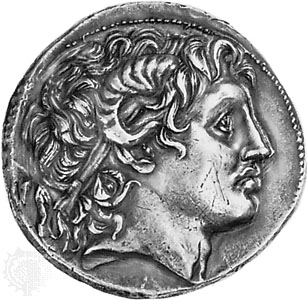
This coin below shows the horns of Jupiter-Amon on Alexander The Great around the period when the ancient city of Damascus was captured in 333 B.C.
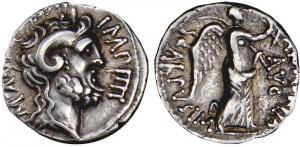
The image below is of Marc Antony on a Denarius 31 B.C. Cyrene. L. Pinarius Scarpus, moneyer with the horns of Jupiter Amon.
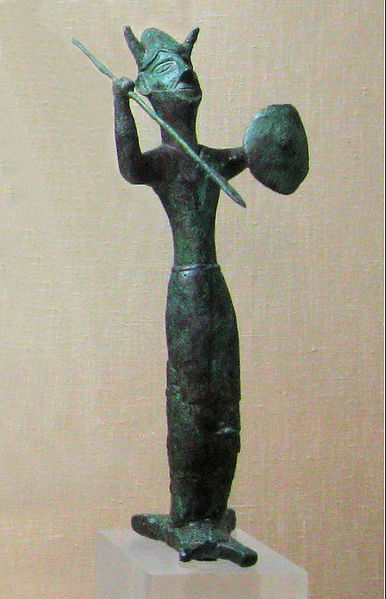
Here is one of the first images of the bronze “Ingot God” from Enkomi, 12th century BC, Cyprus
The question that we must ask is, “Who were the original people that had started this tradition?” All the evidence appears to point towards the Ancient Hittites who the later kingdoms of the Egyptians, Greeks and Vikings, who are seen with these very same exact horns, may very well be the descendants of the people known in the bible as the Hittites, the Sons of Heth (Ham) and the Kheta.
Moe is the founder of GnosticWarrior.com. He is a father, husband, author, martial arts black belt, and an expert in Gnosticism, the occult, and esotericism.
In the course of my search for my long-lost ancestors, that also involves science using DNA research, I have come across one of my great ancestors who happens to be the Pharaoh Ramesses III of the Twentieth Dynasty of the New Kingdom of Ancient Egypt. Ramesses III, also called the Great (0r Sesostris), was the son of the founder of the dynasty, liberator of Egypt, and a great conqueror.
This article is not about me, but what I have found in my research that I would like to share with you, that show Ramesses III having quite a few similarities to that of King Solomon of the bible.
I had detailed the recent DNA findings of this Pharaoh and the fact that his blood line is of a New Dynasty that was a result of an Egyptian–Hittite peace treaty concluded between Egyptian Pharaoh Ramesses II and Hittite King Hattusili III. In these articles you can see the connections I make between these two empires, along with the fact that while Ramesses III had ruled as Pharaoh, he did not dress entirely like the previous Egyptian Pharaohs, but had incorporated Hittite attire such as the infamous upturned shoes/sandals- that were ONLY worn by the Hittites at that time. This connection to Solomon and the Israelites through these upturned shoes/ sandals can be verified in- Matt. 7:26, where JEHU and the Israelites having shoes with upturned toes, while the Assyrians to whom they were paying tribute were wearing sandals with heel caps.
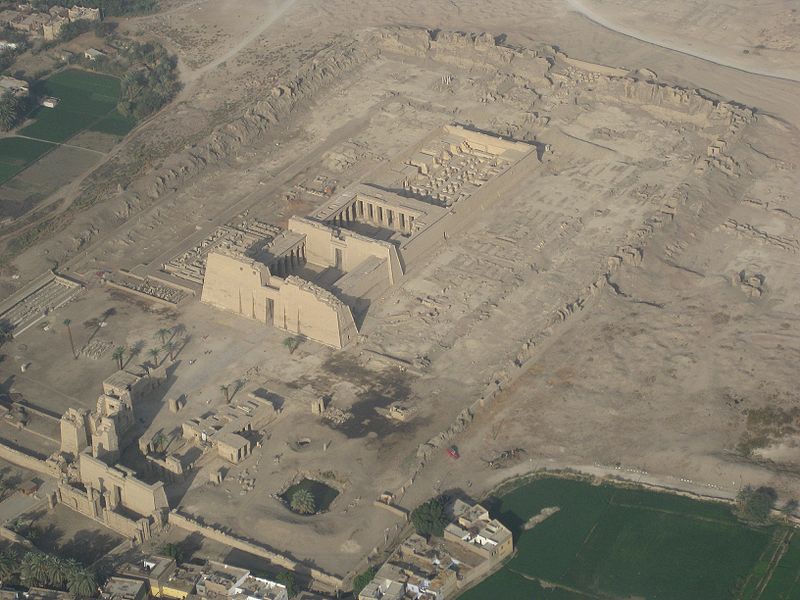
The next connection that I would like to make between the Israelites, King Solomon and Ramesses III is the ancient craft of Temple building, since King Solomon would be best known for the construction of Solomon’s Temple. Please let it be known that Ramesses III was also a great builder who had built several temples during his reign, with one of the most famous being the “Temple of Ramesses III,” also known as Medinet Habu. The “Temple of Ramesses III sounds very familiar to the Temple of Solomon, but the similarities between the allegorical character known as Solomon and the real king Pharaoh known as Ramesses III do not stop here.
The Temple of Ramesses III Looks Almost Exactly Like the Temple of SolomonRamses III made his temple of Medinet Habu at the eastern gateway of Thebes as the administrative head of Amon. It was the last monumental temple to have been built-in the New Kingdom (20th Dynasty 1 198-1 167 B.C.).
Here is an actual areal photograph of the Temple of Ramesses III, or Medinet Habu.
Now below is a depiction of Solomon’s Temple. If you compare the image below with the picture above, they look like they are both built very similar to each other. Of course, The Temple of Ramesses III is real, and it may indeed be the Temple of Solomon that was also known as the temple of Amon in the house of Amon “; that of Re’, “the temple of Ramses III. in the house of Re’ “; that of Ptah, “the temple of Ramses III. in the house of Ptah,” and so on.
Solomon was renowned for his other building projects, and like Solomon, Ramesses III was also known for the same thing. King Solomon had received wood from King Hiram of Tyre and imposed a compulsory labor service on both the Israelites and the foreign nations that were under his control. Ramesses III received assistance from his blood and royal alliance with the Hittites.
Solomon was the son of King David and Bathsheba. Ramesses III was the said to be son of Setnakhte (or Setnakht) who was the first Pharaoh (1189 BC–1186 BC) of the Twentieth Dynasty of the New Kingdom of Ancient Egypt and his mother was Tiy-merenese, Teye-Merenaset,Tiye-Mereniset (Tiy, Beloved of Isis). The name “Mer en Set” is both an Egyptian Coptic Phrase and Initiatory Title from the Budge version of the Egyptian Book of the Dead – it means Beloved of Set. She may also be named Meryetamun, daughter of Ramses II. Mer sounds very familiar to “Mary or the Virgin Mary.” Ramses III had also undertaken several naval expeditions that appear to harmonise with those of Solomon. Both the Egyptain Empire and the Hittite Empires were forces to be reckoned with at this time. Hittite King Hattusili III’s daughter was a Babylonian Princess named Puduhepa who Ramesses II would then marry, and give her an Egyptian name, Maathorneferure.
It is said that Maathorneferure’s original name is unknown, but her Egyptian name translates as “One who sees Horus, the invisible splendor of Ra.” Just as the Queen of Sheba travelled to Jerusalem in search of King Solomon with a very great retinue, with camels that bore spices, very much gold, and precious stones; we also find that this Hittite princess left Hattusa, the Hittite capital in late 1246 BCE to meet her future husband, Pharaoh Ramesses II. She was accompanied by her mother and a huge contingent laden with gold, silver, bronze, cattle and sheep, and slaves.
Is this all a coincidence, or do all these connections prove that the formation of the Israelites was a result of the legal Peace Treaty of Brotherhood for all time made in Stone between the Egyptians and the Hittites (Kheta)? Does this help prove that there was a real King David in Ramesses II with his real life son known in the bible as King Solomon and in stone as Ramesses III? I will let you be the judge.
Moe is the founder of GnosticWarrior.com. He is a father, husband, author, martial arts black belt, and an expert in Gnosticism, the occult, and esotericism.

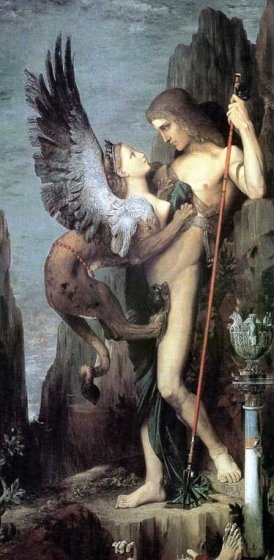 writings of the Egyptians, Assyrians, Greeks, or the Sumerians. To the Ancient Greeks- where much of our ‘current written’ ancient world history is derived from, the Nephilim were not even known, up until the 3rd century B.C. For example two of the greatest Greek historians who ever lived, Plutarch and Plato do not even mention the Nephilim once in their writings. However, I believe it is these historians where we get the “plot of the Nephilim biblical story.”
 We are told in the bible that the Nephilim were on the earth in those days, and also afterward, when the sons of God came in to the daughters of men and they bore children to them. Those were the mighty men who were of old, men of renown” that are mentioned in the bible as the offspring of the “sons of God” and the “daughters of men.” In Greek culture, over the course of history there has been a large number of father gods and sons of gods; and in Ancient Greece there was actually a real family that were described in the same fashion- ” who were of old, men of renown and the sons of gods.” This race or particular family is mentioned by both Plato and Plutarch as “the oldest families in Thebes — a large part of the Boeotian aristocracy and the mighty men who were of old, men of renown.”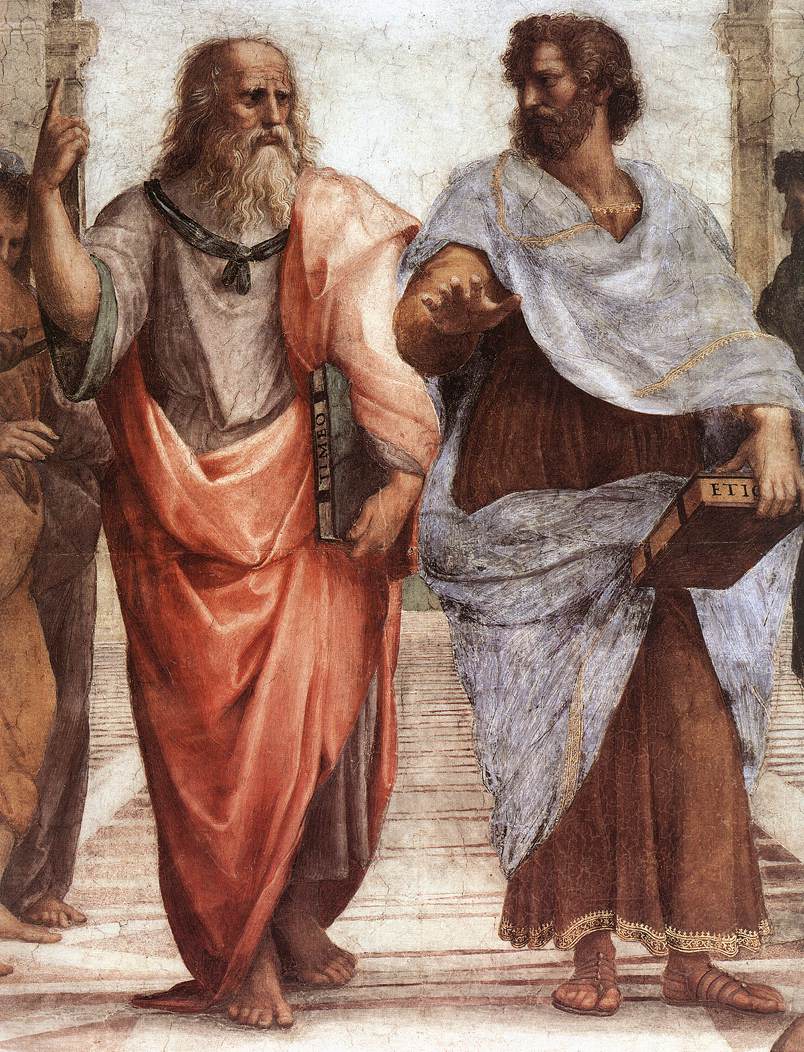
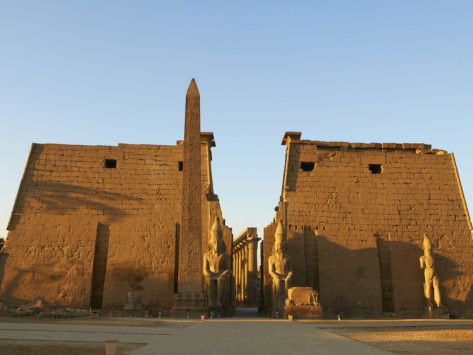 Based on the story above and my research on this blog, I would determine that the Nephilim are based on the real life history of this ancient family from Syria who we know of today as the sons of god. Their capital was at the city of the Ark, Thebes. The same exact area described in the bible as the Holy Land and where the priesthood of Amon-Ra had their strong hold. With its central location on the Nile, the priesthood of Thebes would be the main center of all the world’s manufacturing and creation for all arts, commerce and religion. A place where in actual true life history, Egyptian Pharaohs such as Ramesses II and his son, Ramesses III had communed with the gods at the temple of the Luxor, and even had set up two massive obelisks in front of it, one of which is now in Paris, France on display.