by Moe
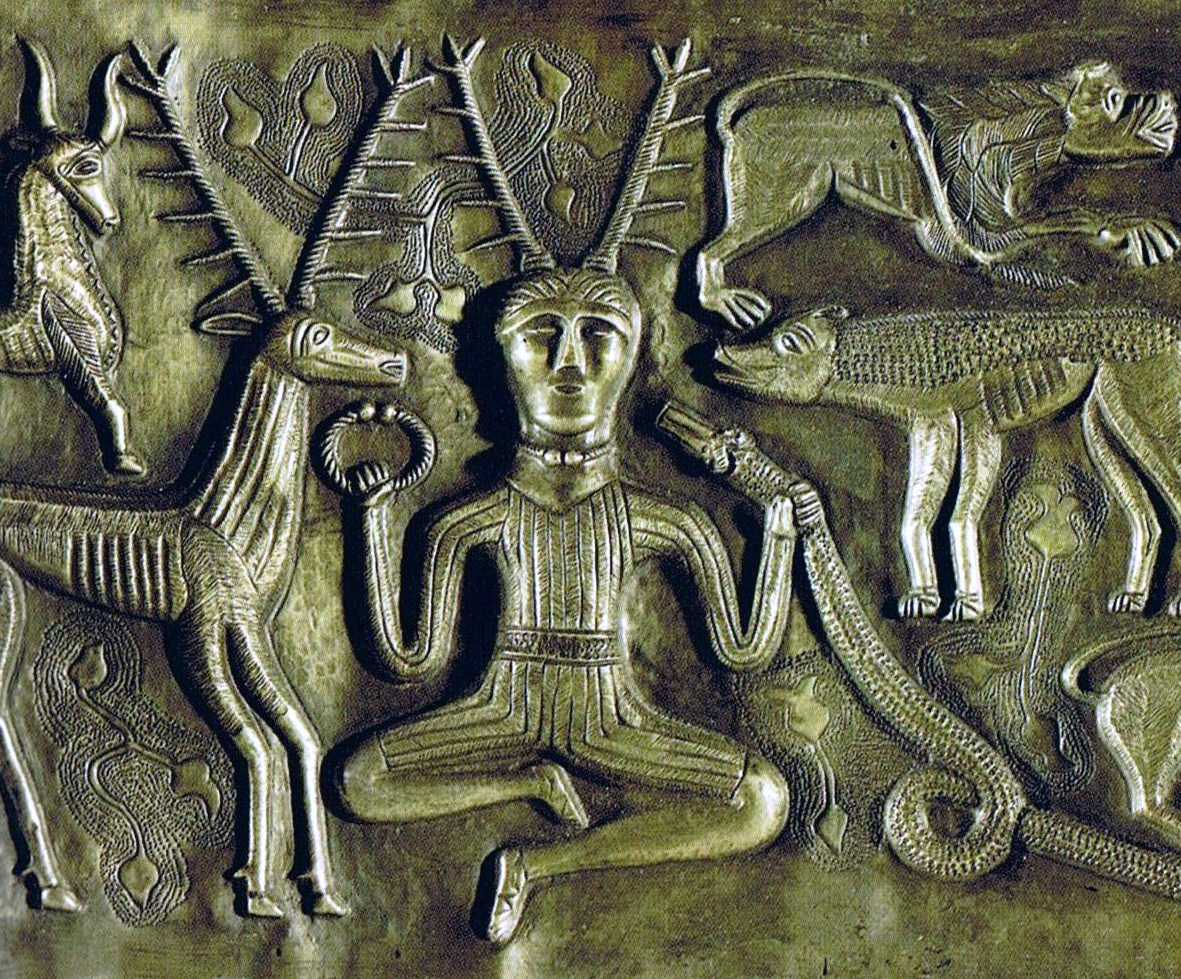
The ancient Celts and Druids in the West had worshiped a horned God who went by the names of Cernunnos (KER-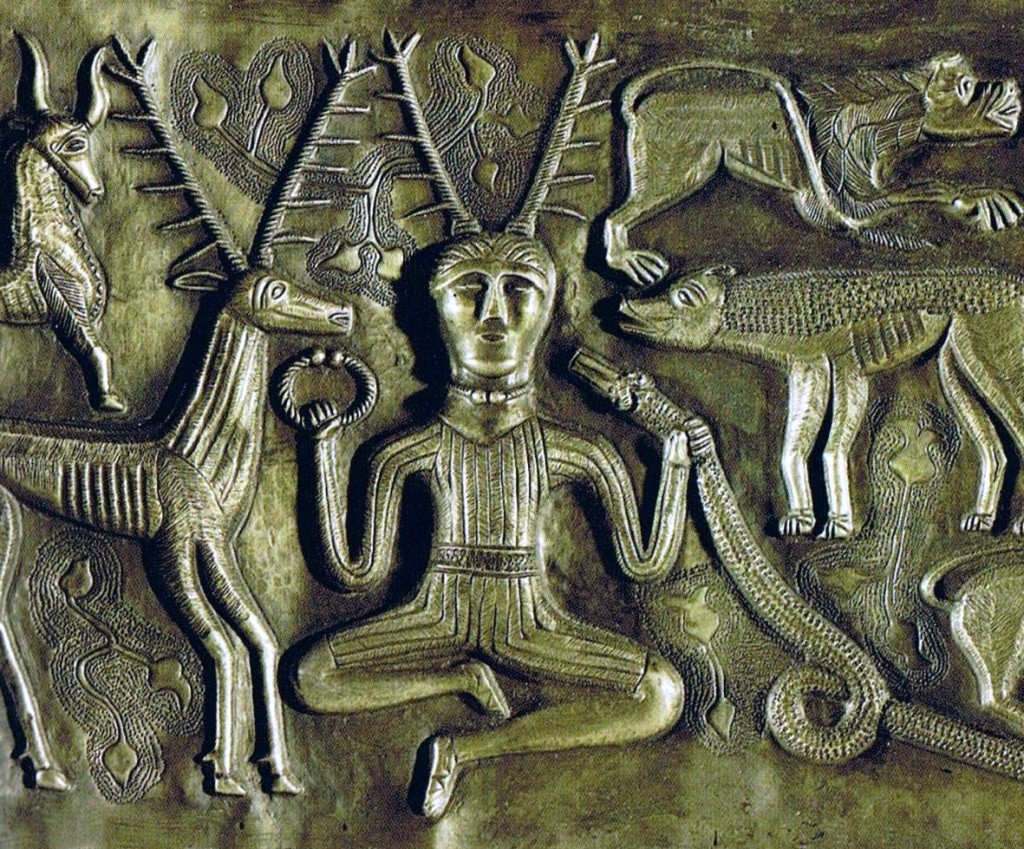 noo-nos) by the Gauls, and in Old Irish literature as Uindos, Herne (Hermes), Hu Gadarn, and Hesus (Jesus). He was known as the most ancient and powerful Celtic deity who was called the “lord of wild and all things.” His sons were said to be Teutates, Esus, Taranis or Taranus who are sometimes referred to as his doubles.
The meaning of Cernunnos in Gaelic and Old English and Irish is the “horned one or he who has horns.” This God was usually depicted in artwork wearing stag antlers and was normally accompanied by his symbols of the stag, ram, bull and holding a horned and spotted serpent or worm.
The earliest known depictions of Cernunnos were found at Val Camonica, in northern Italy, which was under Celtic occupation from about 400 BC. The most famous was also portrayed on the Gundestrup Caldron (pictured above), which is a silver ritual vessel found at Gundestrup in Jutland, Denmark and dating to about the 1st century BC. The name “Jutland” would correspond with the Tribe of Judah who are also known as the Phoenicians and Greek Hellenes from Crete who I have written about extensively in articles such as The First Jews of Crete, and The Masonic Archons of the Tribe of Judah. (more…)
Moe is the founder of GnosticWarrior.com. He is a father, husband, author, martial arts black belt, and an expert in Gnosticism, the occult, and esotericism.
by Moe
There are many interesting connections between the Phoenicians, Greek Ionians and the Old Irish that can be found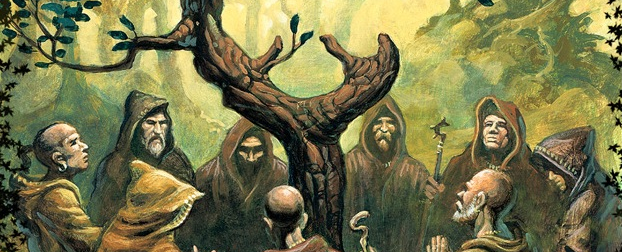 all throughout the early history of Ireland. These similarities between these people are often found in their religious customs, Gods, Goddesses, family and place names they had imported into Ireland.
In my last article, The Druid and Phoenician Coarbs of Ireland, I explained the relationship between the Druid and Culdee Coarbs with the Phoenician Corybnates. It can safely be said they are the same people. Another one of these connections of research I would like to present to you deals with the Cabiri of the Phoenicians, the Egyptians and the Cabiri of the ancient Irish. In studying the rites of the ancient Druid Cabiri who were celebrated in Ireland, they can be found many centuries before in ancient Phoenicia and Greek Ionia that is attested by many of the world’s most famous authors of yesteryear. (more…)
Moe is the founder of GnosticWarrior.com. He is a father, husband, author, martial arts black belt, and an expert in Gnosticism, the occult, and esotericism.
by Moe
“These Corybantes are the Irish Curbs or Coarbs. It is not surprising that they came from 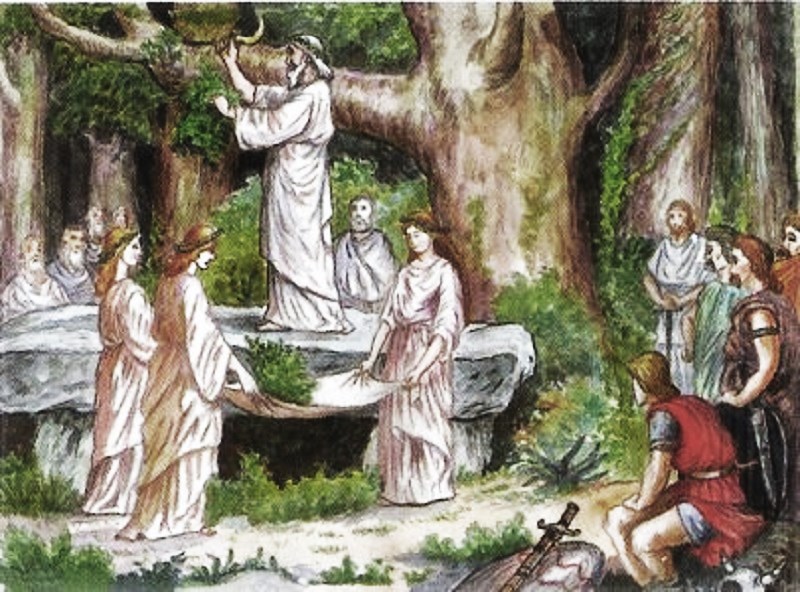 Phoenicia.” – Sir Godfrey Higgins
The ancient Druids in Ireland and Culdee priests of Iona had called their priests by the name of the Coarbs. They were from the same stock of priests who both wore a white dress, and followed the God Io (Jehovah or Yahweh). Their teachings, customs, religion and property descended from father to son. They often lived in communities together under the rule of a Superior, and as they became older and wiser they would stay in detached cells. The Druidic priesthood of Iona were the first people who introduced Christianity into Ireland and the West. (more…)
Moe is the founder of GnosticWarrior.com. He is a father, husband, author, martial arts black belt, and an expert in Gnosticism, the occult, and esotericism.
by Moe
The beautiful island of Iona is known as the “motherland of dreams”, and once home to a people 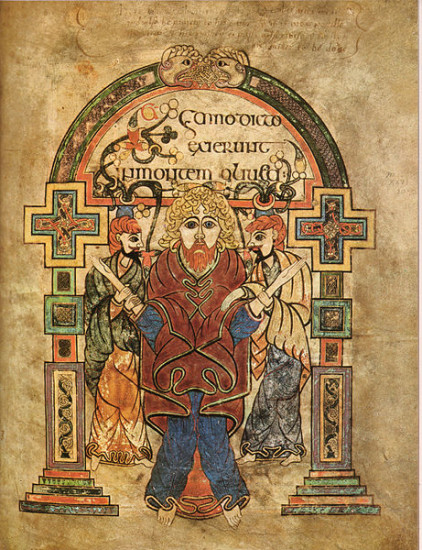 known as the Ionians, and in the Scriptures as the Hebrew Levites who had settled there in approximately the 5th Century A.D. giving their name to the island jewel. It has also been known by the name of Hu-colum-kill (Icolmkill), that is, the island of Columba of the Cell, and Iona’s old Gaelic name was said to be “Innis nan Druidhneach,” which translates as the Island of the Druids.
The name of the Ionians are for various tribes included in ancient history under the general names of the Phoenicians, Hellenes or the Greeks. They were the followers of the true God symbolized by the dove which in Hebrew is the word Ion, Ionah or Iona (Jon, Jonah or John) and in Greek as Oinas. These words are all taken from the name of Jehovah, and for this reason, they are often known as the Priests of Saint John or Iona. Many of them would have a direct involvement in the writing of both the Old and New Testaments and the formations of early Christianity in the West. (more…)
Moe is the founder of GnosticWarrior.com. He is a father, husband, author, martial arts black belt, and an expert in Gnosticism, the occult, and esotericism.
by Moe
“The man, who hath no music in his soul, is fit for treason, stratagem, and spoil.” – Shakespeare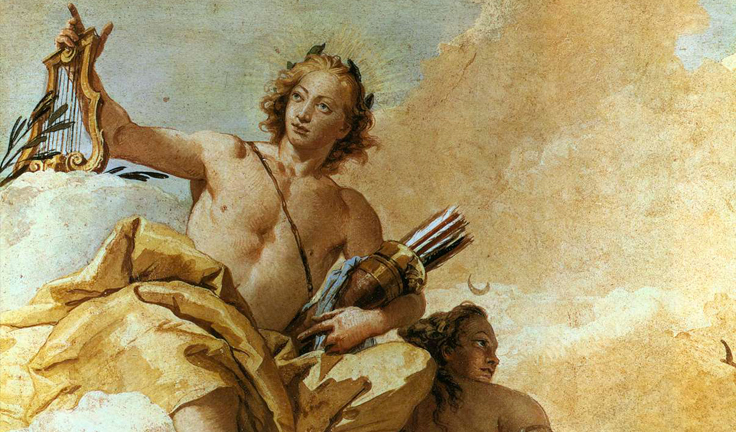
Music is the magic of the soul. It can entertain and sooth, heal, kill, lead and control human emotions like no other divine device ever created by man. This is why today famous musicians lead and almost control millions of people with their songs, and why some of them are knighted by the Queen as part of her royal court such as Sir Elton John and Paul McCartney for their divine magical abilities they have inherited from their ancestors. (more…)
Moe is the founder of GnosticWarrior.com. He is a father, husband, author, martial arts black belt, and an expert in Gnosticism, the occult, and esotericism.
by Moe
The name Ireland is derived from an ancient Phoenician (Hebrews and Cretan) name Eriu, and 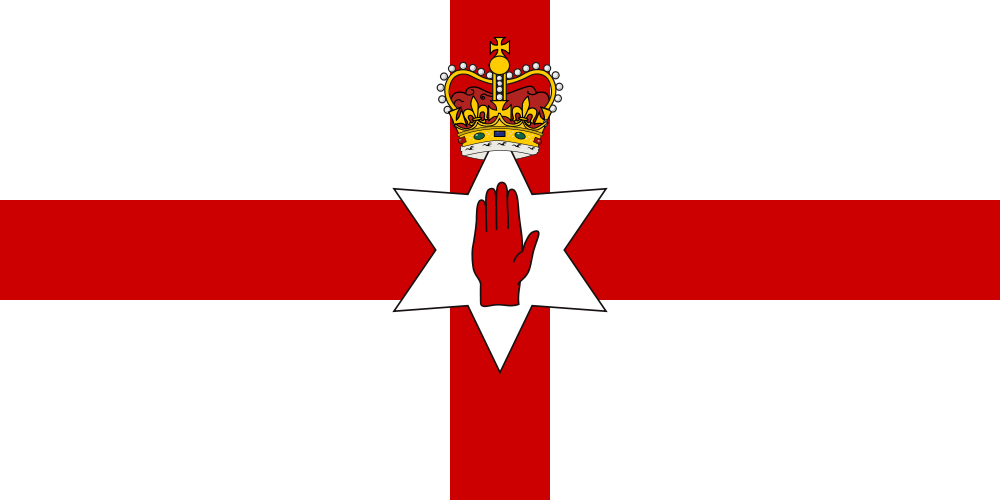 examples of the various spellings you will find are Eri, Ere, Erin, Erin, Ire, Ierne, and Iran. The name Ierne, Kerne, or Herne was also the most westerly Phoenician settlement on the coast of Africa.
In Irish mythology Erin is the daughter of Ernmas of the Tuatha Dé Danann. Erin was known as the ancient Triple Goddess of Ireland, and the Tuatha Dé Dannan means followers of the feminine, divine, or dannan meaning Lady. The Latin name for Ireland is Ibernia. Everywhere the Phoenicians had travelled in the world, they brought with them their religion of the Goddess. This is evident in every single country they colonized such as Ireland whom they named. Hence, the Land of Erin or Erin Land dedicated to the Goddess. (more…)
Moe is the founder of GnosticWarrior.com. He is a father, husband, author, martial arts black belt, and an expert in Gnosticism, the occult, and esotericism.

 noo-nos) by the Gauls, and in Old Irish literature as Uindos, Herne (Hermes), Hu Gadarn, and Hesus (Jesus). He was known as the most ancient and powerful Celtic deity who was called the “lord of wild and all things.” His sons were said to be Teutates, Esus, Taranis or Taranus who are sometimes referred to as his doubles.