by Moe
Do you not know that your bodies are temples of the Holy Spirit, who is in you, whom you have received from God? You are not your own?” – 1 Corinthians 6:19

Moe is the founder of GnosticWarrior.com. He is a father, husband, author, martial arts black belt, and an expert in Gnosticism, the occult, and esotericism.
by Moe
Meditation is the dissolution of thoughts in Eternal awareness or Pure consciousness without objectification, knowing without thinking, merging finitude in infinity.” ― Voltaire
Moe is the founder of GnosticWarrior.com. He is a father, husband, author, martial arts black belt, and an expert in Gnosticism, the occult, and esotericism.
by Moe
The famous phrase against the ancient Gnostic Heretics known as the Cathars says it all “Kill them all – the Lord will 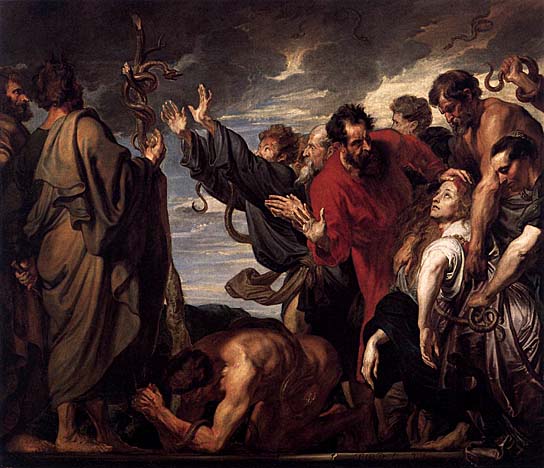 know his own.” It was allegedly written in 1233 by Pope Gregory IX who issued a formal letter denouncing them as a sect of devil-worshippers, whose practices he described as being immoral and downright evil. This attack by the church on Heretics is an example of a time we still live in today that I like to call “The Secret Rites of Gnosis Controlled by the Church and Secret Societies.”
For the purpose of this article, I would like to explain in simple terms what happened to the old-time religion of Gnosis. You see, in ancient times around 3,500-2,000 year ago, there was a global Gnostic religion that was practiced by many nations. It can be called the religion of Gnosis symbolized by the famous symbol found world-wide being that of the serpent and or dragon. It was by no means a unified religion and many of these nation states had constantly warred with one another.
Evidence of this old religion can be in all parts of the globe. Wherever there were massive empires and or evidence of a highly advanced people to be discovered, more often than not, there can always be found archeological artifacts of the serpent Gnostic religion.
As I have stated many times in the past, early Christianity is nothing but a unified exoteric form of this religion. Meaning that the ancient teachings of Gnosis were not at all lost and or permanently destroyed, but were secretly encoded into the teachings of Jesus and the Saints of the Universal (Catholic) Church who after all, were Gnostics themselves. They were just part of the Sethian initiates of the official organized Roman and Greek unified schools of Gnosticism backed by the world’s most powerful armies and strategists. (more…)
Moe is the founder of GnosticWarrior.com. He is a father, husband, author, martial arts black belt, and an expert in Gnosticism, the occult, and esotericism.
by Moe
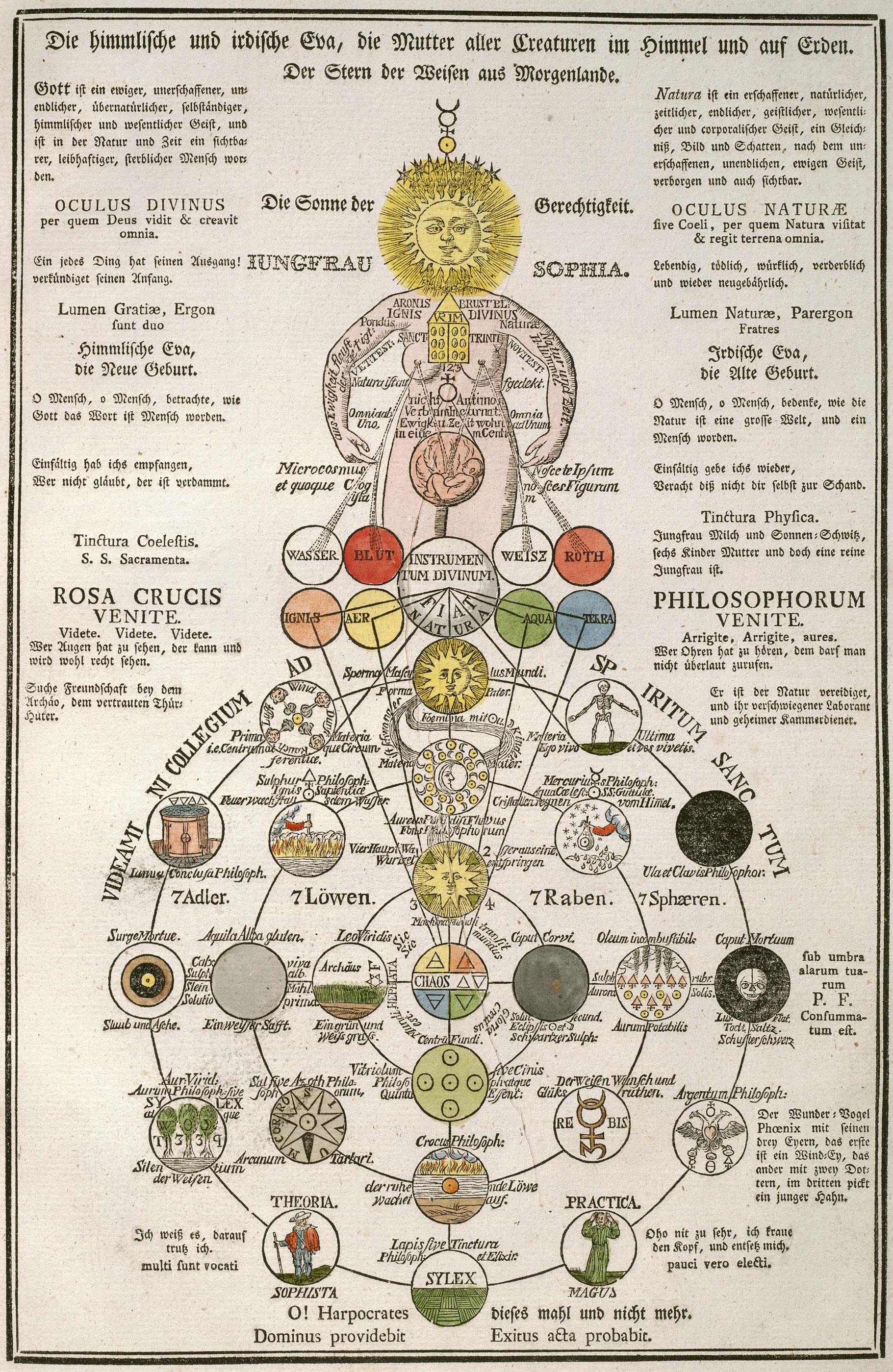
A mystical depiction of Sophia from Geheime Figuren der Rosenkreuzer (The Secret Symbols of the Rosicrucians), published at Altona in 1785.

Moe is the founder of GnosticWarrior.com. He is a father, husband, author, martial arts black belt, and an expert in Gnosticism, the occult, and esotericism.
by Moe
One of the most famous Gnostic sects at the time of early Christianity was known as the Valentinians. They were founded by a Greek man named  Valentinus who taught his own brand of Gnosticism first at the famous Greek School of Alexandria and then at Rome. The name of his followers, the Valentinians were his students and disciples who were taught by Valentinus himself, or the doctrines of Gnosis that he had left behind.
Valentinus was a very successful Gnostic teacher who first taught at the Greek School of Alexandria and then with the Latins at Rome (c. A.D. 160) where at first he was a very respected member of the Catholic community. He had developed a Gnostic system of sexual duality in the process of emanation; a long series of male and female pairs of personified ideas is employed to bridge over the distance from the unknown God to this present world.
The Valentinians believed that the attainment of this knowledge by the human individual had positive consequences within the universal order and contributed to restoring that order, and that gnosis, not faith, was the key to salvation. (more…)
Moe is the founder of GnosticWarrior.com. He is a father, husband, author, martial arts black belt, and an expert in Gnosticism, the occult, and esotericism.