by Moe | May 11, 2015 | Alchemy
This excerpt is from “The Book Concerning The Tincture Of The Philosophers by Paracelsus.” In the preface, he 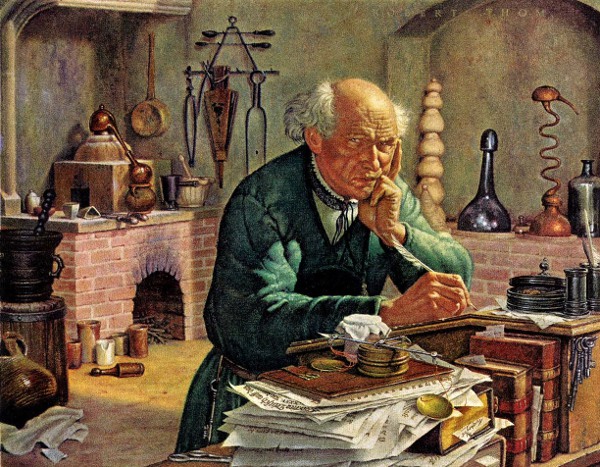 explains his book is against who he calls the wormy and lousy Sophists, and how medicine in his time he was battling medical quacks who opposed him. Paracelsus calls himself the Prince of Philosophy and of Medicine and defender of truth.
SINCE you, O Sophist, everywhere abuse me with such fatuous and mendacious words, on the ground that being sprung from rude Helvetia I can understand and know nothing: and also because being a duly qualified physician I still wander from one district to another; therefore I have proposed by means of this treatise to disclose to the ignorant and inexperienced: what good arts existed in the first age; what my art avails against you and yours against me; what should be thought of each, and how my posterity in this age of grace will imitate me. Look at Hermes, Archelaus, and others in the first age: see what Spagyrists and what Philosophers then existed. (more…)
Moe is the founder of GnosticWarrior.com. He is a father, husband, author, martial arts black belt, and an expert in Gnosticism, the occult, and esotericism.
by Moe | May 11, 2015 | Gods & Goddesses, History of the Brotherhood, Irish History
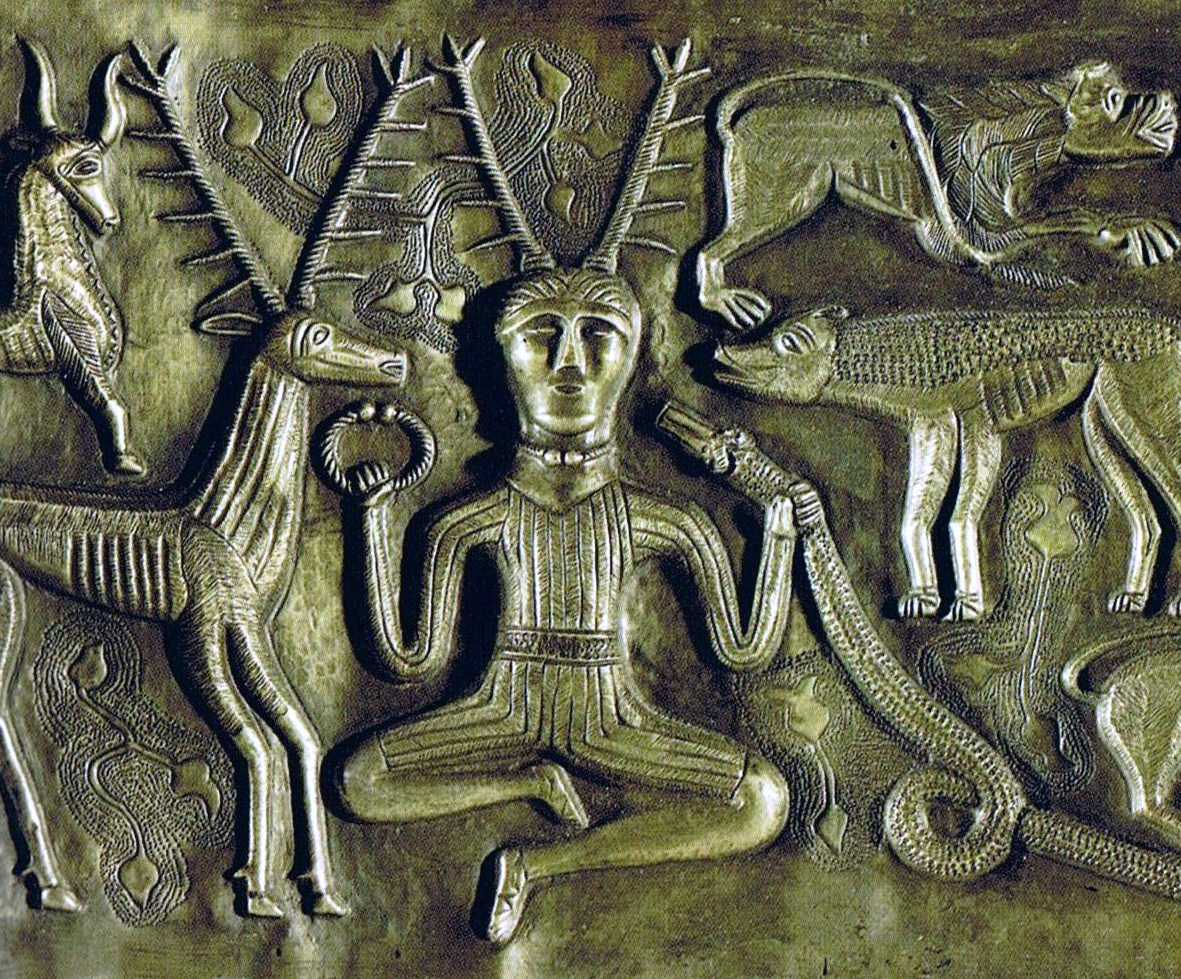
The ancient Celts and Druids in the West had worshiped a horned God who went by the names of Cernunnos (KER-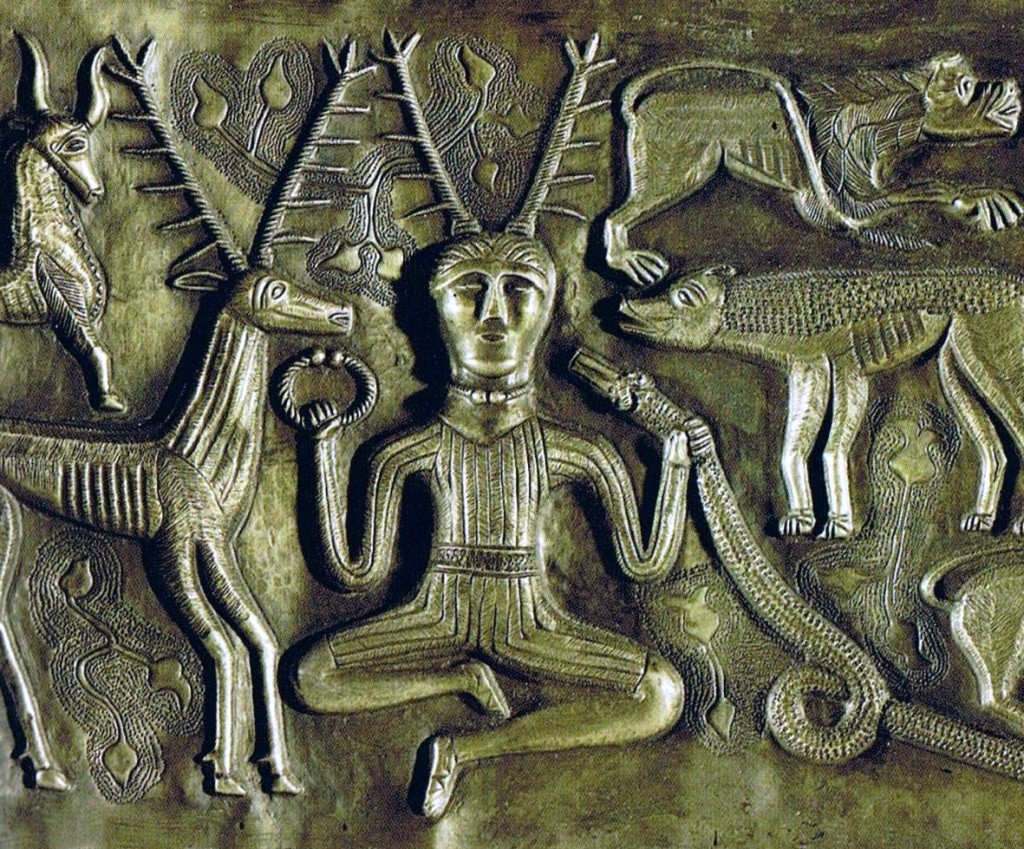 noo-nos) by the Gauls, and in Old Irish literature as Uindos, Herne (Hermes), Hu Gadarn, and Hesus (Jesus). He was known as the most ancient and powerful Celtic deity who was called the “lord of wild and all things.” His sons were said to be Teutates, Esus, Taranis or Taranus who are sometimes referred to as his doubles.
The meaning of Cernunnos in Gaelic and Old English and Irish is the “horned one or he who has horns.” This God was usually depicted in artwork wearing stag antlers and was normally accompanied by his symbols of the stag, ram, bull and holding a horned and spotted serpent or worm.
The earliest known depictions of Cernunnos were found at Val Camonica, in northern Italy, which was under Celtic occupation from about 400 BC. The most famous was also portrayed on the Gundestrup Caldron (pictured above), which is a silver ritual vessel found at Gundestrup in Jutland, Denmark and dating to about the 1st century BC. The name “Jutland” would correspond with the Tribe of Judah who are also known as the Phoenicians and Greek Hellenes from Crete who I have written about extensively in articles such as The First Jews of Crete, and The Masonic Archons of the Tribe of Judah. (more…)
Moe is the founder of GnosticWarrior.com. He is a father, husband, author, martial arts black belt, and an expert in Gnosticism, the occult, and esotericism.
by Moe | May 8, 2015 | History of the Brotherhood, Irish History, Phoenicians
There are many interesting connections between the Phoenicians, Greek Ionians and the Old Irish that can be found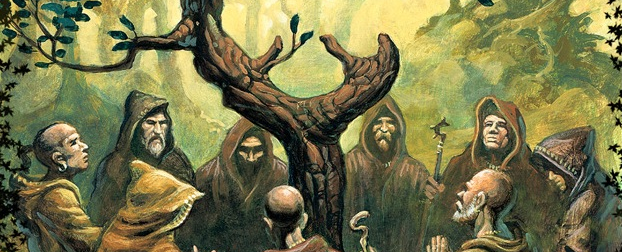 all throughout the early history of Ireland. These similarities between these people are often found in their religious customs, Gods, Goddesses, family and place names they had imported into Ireland.
In my last article, The Druid and Phoenician Coarbs of Ireland, I explained the relationship between the Druid and Culdee Coarbs with the Phoenician Corybnates. It can safely be said they are the same people. Another one of these connections of research I would like to present to you deals with the Cabiri of the Phoenicians, the Egyptians and the Cabiri of the ancient Irish. In studying the rites of the ancient Druid Cabiri who were celebrated in Ireland, they can be found many centuries before in ancient Phoenicia and Greek Ionia that is attested by many of the world’s most famous authors of yesteryear. (more…)
Moe is the founder of GnosticWarrior.com. He is a father, husband, author, martial arts black belt, and an expert in Gnosticism, the occult, and esotericism.
by Moe | May 7, 2015 | Alchemy
“ It is erroneous to confuse alchemy with chemistry. Modem chemistry is a science dealing only 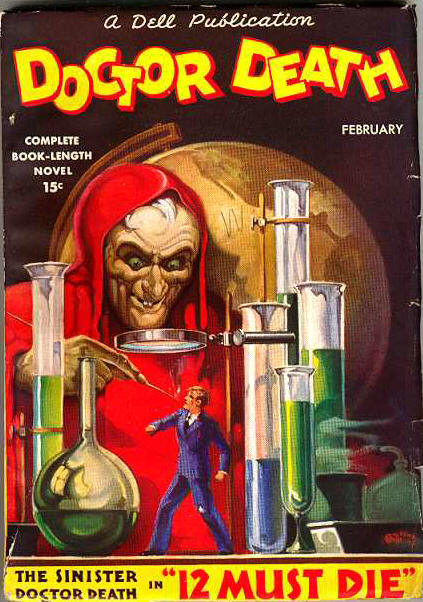 with the outward manifestations of matter. It never produces anything new.
One can mix, compose and decompose two or three chemical substances any number of times, and make them reappear in different forms, but in the end there is no increase in substance; there is only the combination of the substances used at the outset.
Alchemy neither composes nor mixes: it increases and activates that which already exists in a latent state. (more…)
Moe is the founder of GnosticWarrior.com. He is a father, husband, author, martial arts black belt, and an expert in Gnosticism, the occult, and esotericism.
by Moe | May 7, 2015 | History of the Brotherhood, Irish History, Phoenicians
“These Corybantes are the Irish Curbs or Coarbs. It is not surprising that they came from 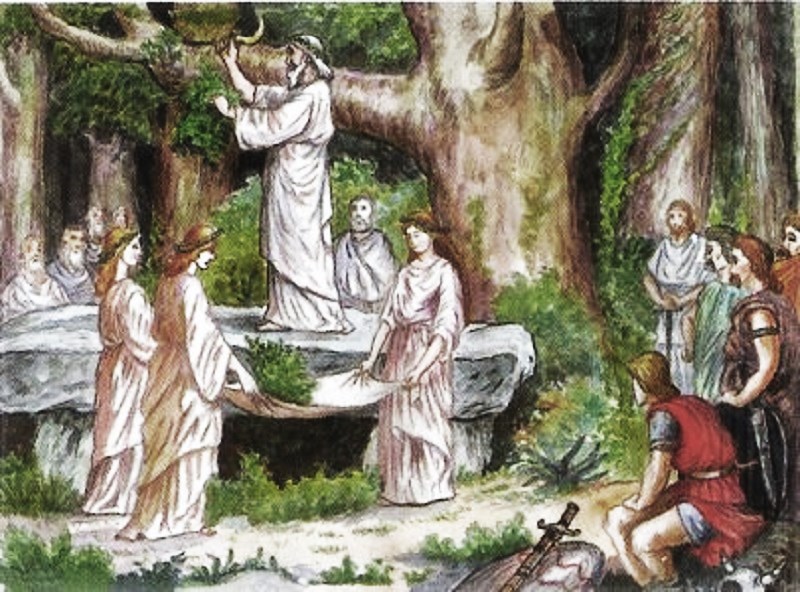 Phoenicia.” – Sir Godfrey Higgins
The ancient Druids in Ireland and Culdee priests of Iona had called their priests by the name of the Coarbs. They were from the same stock of priests who both wore a white dress, and followed the God Io (Jehovah or Yahweh). Their teachings, customs, religion and property descended from father to son. They often lived in communities together under the rule of a Superior, and as they became older and wiser they would stay in detached cells. The Druidic priesthood of Iona were the first people who introduced Christianity into Ireland and the West. (more…)
Moe is the founder of GnosticWarrior.com. He is a father, husband, author, martial arts black belt, and an expert in Gnosticism, the occult, and esotericism.