by Moe | Jul 26, 2018 | Gods & Goddesses, Mystical Christianity
Nergal is the Hero God of War and the Underworld – ie: Babylonia, Earth, Hell, Land of the Dead and what we can just call today – Modernity.
Nergal had presided over the affairs of humans as one of the agents of punishment with his main instruments being that of magick, war, and pestilence. He was also King of the Spirits of the Air who was almost always accompanied by his female consort Ereskigal and many warrior demons as his legions.
The God Nergal was said to be an Idol of the Samaritan Hebrews who we also know under the names of the Kush, Cuthah, Cuthites, Cushite, and Cutheans. Nergal is mentioned in 2 Kings xvii, and the Babylonian Talmudic treatise Sanhedrin (fol. 63, p. 2) which states that the men of Kuth made Nergal their god.
“And what was it? A cock.”
Based on these historical descriptions, we know that Nergal was said to be worshipped in the form of a Cock (Rooster), or a man with the head of a Cock. But he is also found depicted as a “Man-Lion” with the body of a man and head of a lion.
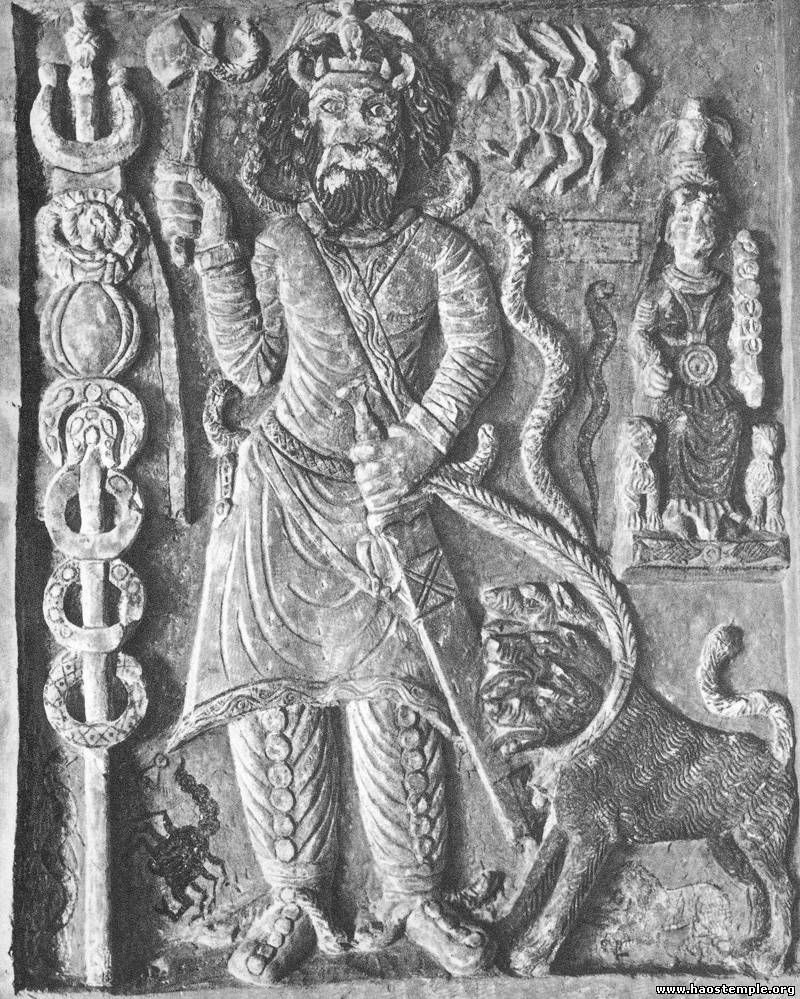
In one of the oldest depictions of Nergal, we also see the symbols like the horns on his head, scorpion, battle ax, Great Mother and the Hellhound Cerberus – the three-headed ‘Demon-Dog’.
The rites of the Scorpion are the Mysteries of the Apocalypse.
Here is an ancient relief carving of Nergal dating to approximately the first or second century AD.
The immortal Idols used to represent Nergal, the Cock (Rooster) and a man with a Lion’s Head are actually two of the most important symbols that you will find in all of history.
These same said symbols are also prominently symbolized in the Abrahamic religions of the exoteric world and also the esoteric being that of Ancient Gnosticism which gave rise to modern Freemasonry. For example, we have Yaldabaoth who in Nag Hammadi is described as the Chief Archon created by the Goddess Sophia in the “form of a lion-faced serpent, with its eyes were like lightning fires which flash.
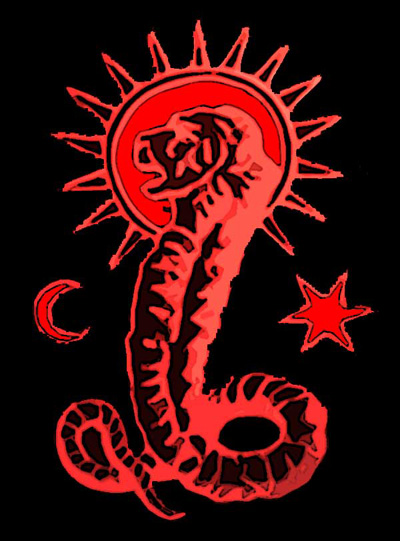
Let me remind some of you Christians that our Lord was also symbolized as a Cock in the Scripture or I should say the “Holy Cock.” As I had written before, the English word cock or rooster in Latin is gallus or gallinaceous which refers to a “rooster or cockerel” (male chicken) and the term gallīna is used for a “hen” (female chicken).
This is why one of the surnames for Jesus was “Jesus the Galilean from Gallillee” and his Apostles like Simon was also surnamed “Peter the Galilean.”
Also, let us not forget the chief symbol for the Tribe of the Lord – Judah is the lion.
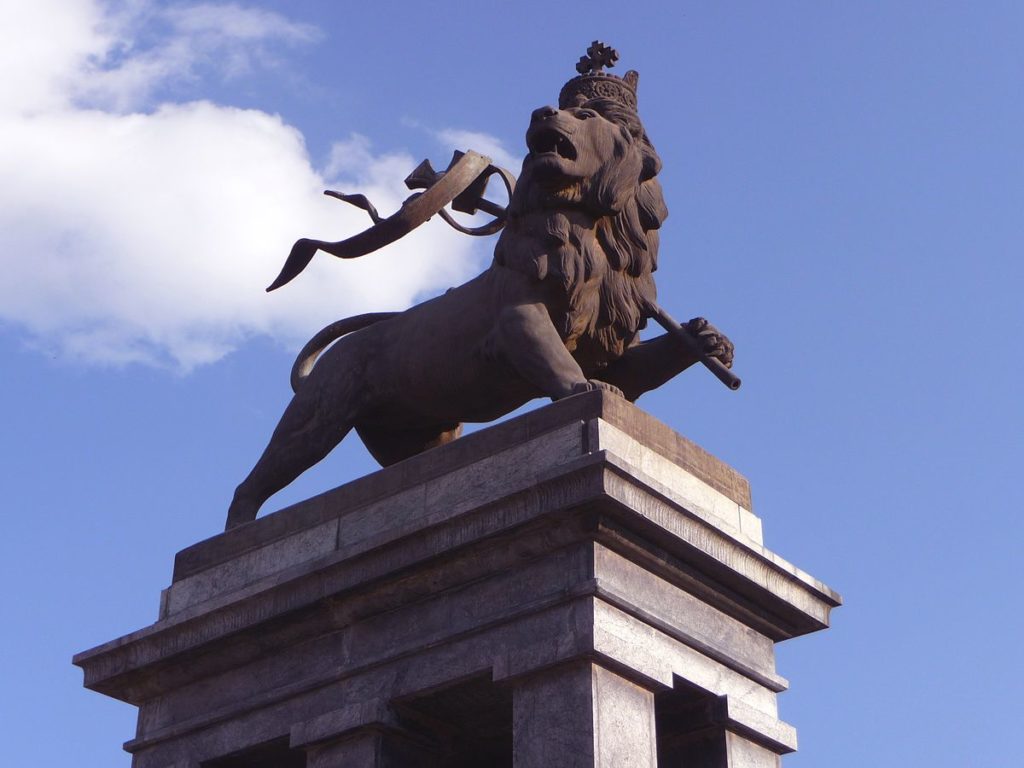
This is may be why Jesus is surnamed the Galilean (Cock/Rooster) from Gallillee (River Galli) and the Prince of the Apostles like Simon the Samaritan who was surnamed Peter was a Galilean as well. (Matthew 26:69; John 7:41)
WHO WAS THE GOD NERGAL
As I have mentioned many times before on the Gnostic Warrior, mythology and theology go hand and hand and wherever this priesthood of the Holy Cock had traveled, they often left their immortal marks for their descendants to break the Seal in order to follow the path to their true origins.
This may be why we find the God Nergal (Ner-gal, Nirgal, or Nirgali) in the Bible as the deity of the city of Cuth (Cuthah):
“And the men of Babylon made Succothbenoth, and the men of Cuth made Nergal, and the men of Hamath made Ashima”(2 Kings 17:30); is said to be the father of Kush (Kish) (1 Chronicles 8:33). 1 Samuel 14:51 should be read, “Kish, the father of Saul, and Ner, the father of Abner, were the sons of Abiel.” And hence this Kish and Ner were brothers, and Saul and Abner were first cousins (Comp. 1 Chronicles 9:36)
The chief seats of Nergal’s worship were said to be in the ancient cities of Cutha and Tarbissa. Cutha was the sacred city where he was said to “live,” and where in ancient times you could find his famous shrine. The “men of Cuth,” when transported as colonists to Samaria then became known Biblically by names such as the Babylonians, Samaritans and Levites.
In some historical Babylonian accounts, their main temple was said to be Mount Gerizim, opposite the Temple in Jerusalem, where they were said to worship a God called ‘Nergal.’ The Father of English History and Doctor of the Church, Saint Bede says that in the Book of Places we read that “Benoth and Nergal were cities built in the region of Judea by Samaritans” who had migrated from Babylon.
It interesting that Bede says that Nergal was a city built near the region of Judea because, in my own research and as I have mentioned many, many times in the past, I have discovered that the city for the Old Judea was on the ancient Holy Island of Crete at the foot of Mount Ida.
This is the same location where the ancient myths of the Great Cretan Mother who we know by names such as Cybele, Magna Mater and Rhea had entrusted a “special priesthood” with the care of the infant God – Zeus who was hidden in a cave on Mount Ida from his vengeful father Cronus. It was at Mount Ida -AKA Judah where she had placed him in the care of a priesthood known under various names such as the Curetes, Telchnines, Corybantes, Dactyls, and Cabiri.
The first-century Roman-Jewish historian, Josephus verifies this fact when he says the tribe of the Jud or the Judeans (Idumean) of Mount Ida. Today they would be known as the Judeans or the Tribe of Judah – The Tribe of Our Lord.
This is why we find the Samaritan Levites at Mount Ida which would also most likely be the same place where the famous Levite priest lawgiver – Moses received the books of the Law from God on Mount Sinai. After all, it was on Crete where some of the most famous lawgivers in all history such as Epimenides Gnosis and King Minos had spawned so naturally, Moses would have also received the “New Laws” at Mount Ida on Crete.
We could safely say that the Samaritan Levites would be the defacto legal protectors placed in charge of our Lord in this 6th Age.
An age that may end when the last legal priesthoods for our Lord are instituted and ALL the pretenders are abolished and or destroyed.
All these ancient stories come down to us from the same Mount Ida priesthood whom I believe were the seeds for the Tribe we know as the “Samaritan Levites.” Like the Curetes, Telchnines, Corybantes, Dactyls, and Cabiri, this Ancient Priesthood for the Lord were assigned to guard and watch over the Ark of the Covenant.
Nergal (Nirgal, or Nirgali) and who is known as a Ner in the Scripture was the Ancient Patriarch and Father to this Tribe.
In the etymology of Nergal, we find that it is a compound word composed of the two words Ner and Gal. The meaning of Ner is a candle, lamp, and or light. Gal, as I mentioned before comes from the Latin gallus or gallinaceous which refers to a “rooster or cockerel” (male chicken) and the term gallīna is used for a “hen” (female chicken).
Ner-Gal was also the progeny (pro-geni) of who we know as our Lord in the West – Jesus the Galilean from the River Galilee and his 12 Apostlistic Galileans including Simon the Samaritan who we also know under the additional Biblical surnames as St. Peter – AKA The First Gnostic and when he became an Apostate of the Faith from which he was Christened, he then became Satan – The Lord’s Left Hand Man and Protector.
The God of this 6th Age……
by Moe | Jul 7, 2018 | Mystical Christianity
On the ancient Holy Island of Crete sits the Temple of Knossos (AKA Gnosis) at the bottom of a hill that was once called “Kephala” (Kephala tou Tselevi). It sits on the western bank of the Krateros river to the south of the modern city of Heraklion, also known as Iraklio.
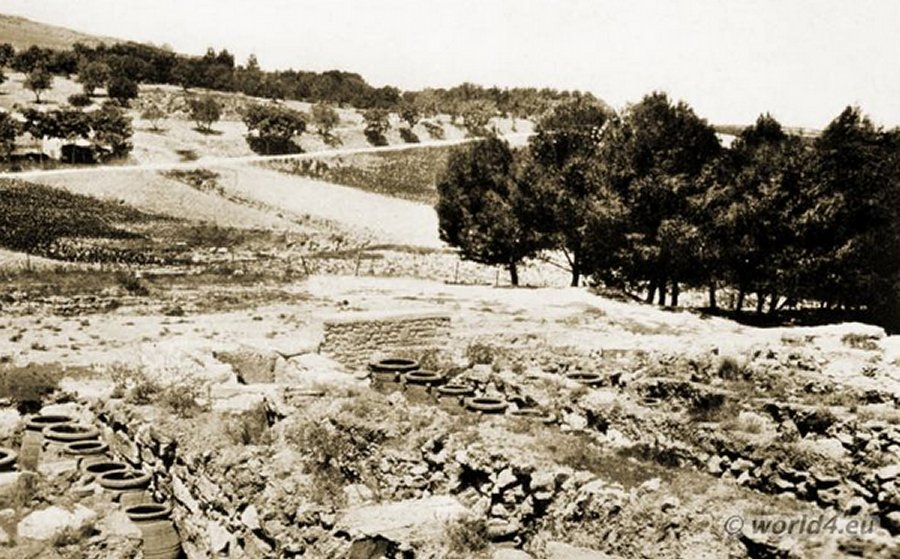
It is said that this location was chosen by ancient settlers for the site of the Palace of Knossos; the footprint of the Neolithic settlement at Kephala Hill was actually larger than the Bronze Age Palace of Knossos. This was the true first “Ancient City of Gnosis.”
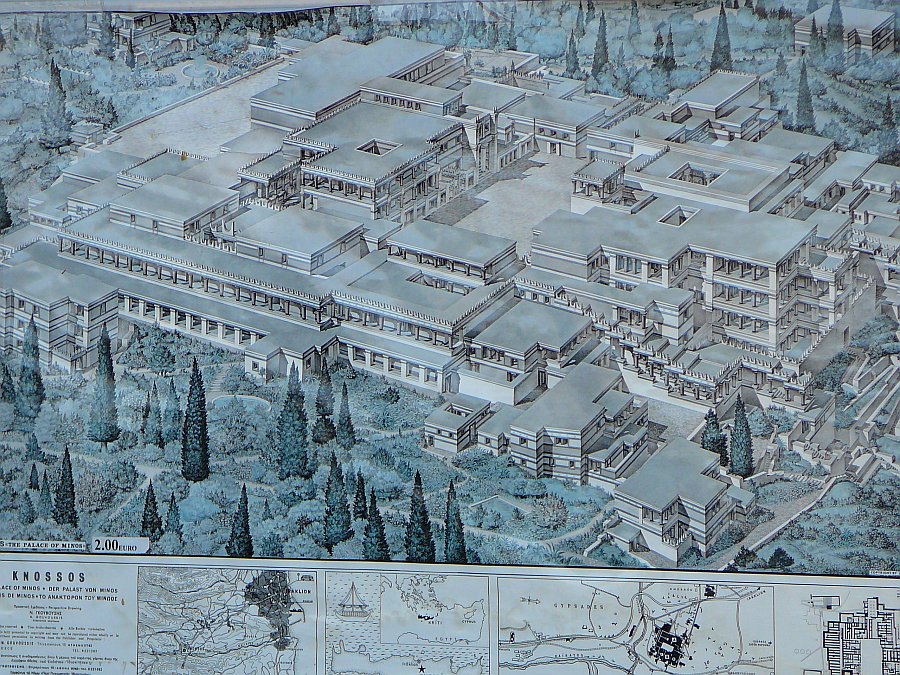
We can find evidence of these facts encoded into the royal mythology of Ancient Crete with the story of King Kephalos (Cephalus) of Crete and Thorikos who was one of the twelve towns of the Synoekismos of Theseus. Kephalos is said to have come to Athens, married the princess Prokris, accidentally killed her, and was exiled from Athens (Mussies 1986: 44). The king is said to rule over the “villages of Kephalos,” from the steep and lofty headland of Kephalos.
Coincidentally, the discovery of what we know today as the “Kephala Tholos Tomb”, north of the palace of Knossos, proves that this mythology is based on true history as always was the case as it is in the Scripture which the two go hand and hand wherever the priesthood had travelled.
This royal tomb was found some 300 meters to the east-northeast from the Kephala hill. It came to light during what are described as “cleaning operations of the olive grove” by a small bulldozer, which resulted in the what they had called the removal of the “key of the tholos.”
Due to the circumstances of the discovery and the urgent need for protection of the site, the investigation started from the chamber, and the excavation team had to enter from the hole of the key. Escavations were eventually carried out in 1998 by the Greek Ministry of Culture under the direction of Theodoros Eliopoulos.
More evidence of the Cretan people known as the ‘Kepha’ is found mentioned in the Ancient Egyptian texts in conjunction with Crete which was called Keftiu and the same peoples who appear in the history and monuments of Egypt under the various names with one being “Kepha.”
The Ancient Egyptian, Ka is usually translated as ‘double’, because it represents a person’s double or what we can call their higher self. It also means spirit or spirit of the blood. Hence, a vessel in our bodies that carries our Ka (Spirit), is called a blood canal (Ka’nal).
The Ka Priests of Kepha – Holy Protectors of the Lord
In Ancient Egypt, the divine ka’s (Divine Angels and Good Demons) had served as guardians of Osiris who was often called the Ka of the Pyramids. In Ancient Greece, the divine Ka’s served as guardians of Zeus, the soul of this world.
These same said Ka’s – AKA guardians of Zeus and Osiris we find in Crete under a plethora of pseudo-names such as the Telchnines (Telknines, Telkhis, Telegonus, or Greek, Τελχῖνες) and Curetes who are placed has the Royal Guardiasn of the God Zeus. Strabo had written, that these are the names of the various groups of daimones or demons known as the Curetes (Kuretes), Corybantes, Dactyls, Cabiri, and Telchines which are names that are often used interchangeably with one another.
As I explained in my article, Simon (Saint Peter): Kepha of the Church, the word Kepha is derived from the Greek words “kepha, kephas and or kephalé,” which mean, “the head,” but also denote esoterically in religion as, “Ruler, Lord or a Cornerstone (Masonic), uniting two walls.” It is my belief that the original true story of Simon can be traced back to the ancient priesthood of the Holy Island of Crete and the City of Knossos (Gnosis).
Let me add that Simon was a fisherman and the great symbol of the Christians is a fish. The kephale (cephus, sefus) is a genus of the Cod-fishes, Cadidae, in which the head is remarkably large, depressed, and broad. Coincidentally, Crete was also once called by the Europeans – ‘Candia.’
Modern Evidence of the Villages of Kephalos
To this very day, you will find evidence of the Kepha like on Crete in Chania at a place called Kefali (Kephali). It is a small village with many old important Church sites with ancient frescoes such as Jesus and the washing of feet, fresco in the Byzantine church of Agios Athanasios or the Frescoes with Christ dead in Church of Metamorphosis tou Sotiros.
Kefali is located on the eastern side of Mount Elias, 60 km south west of Chania Town at a high altitude of 460 meters above the sea. The coastal road near Kefali to said to be one of Crete’s most beautiful and the mountainous village is surrounded by a beautiful verdant landscape and one of the nine villages, and close to the villages of Kissamos- Kaloudiana- Topolia- Elos- Kefali.
You will also find on Crete, Koukou Kefali, in English – Cuckoos Head (Rooster’s Head). It is located to the South-East of the village of Ano Zakro. There are “secret ancient ruins” here that were excavated as part of Arthur Evan’s so-called Minoan excavations and is called the Minoan villa “Tou Koukou to Kephali.”
Could these real life villages actually be scientific evidence of what is considered the “Villages of Kephalos,” from the steep and lofty headland of Kephalos?
This is an Apocalyptic possibility given the fact that there have been massive excavations done here and apparent secret political powers jockeying for control of these ancient holy sites. For example, what is titled, The Kastro Kallithea Archaeological Project: the 2016 study season – Schliemann at Knossos, this battle for the hill called Kephala tou Tselevi is detailed. Something tells me there is much more to this Biblical story…
The Canadian Institute in Greece reports:
The hill called Kephala tou Tselevi on the western bank of the Krateros river to the south of the city of Candia (modern Herakleio) on the island of Crete has come to be known world-wide as Knossos. Here at the beginning of the 20th century Arthur Evans began the excavations of a massive structure and portions of the surrounding settlement that we know today as the Palace of Minos.
Evans was not the first to excavate here,
however. Minos Kalokairinos (1843-1907), an olive merchant and antiquities collector from Candia, initiated the first test trenches on the hill for three weeks in December, 1878. He uncovered a portion of the West Magazines with their storage jars (pithoi) in situ and reached as far as the Throne Room. Given the political sensitivities of the time, as Crete was still under Ottoman rule, the Christian General Administrator of Crete, Fotiades Pashas, decided in 1879 that the excavations should stop. In 1880 he also refused the request of the French School in Athens to continue the excavations for the same reasons. Heinrich Schliemann of Troy and Mycenae fame entered the picture in 1886 seeking to dig at Knossos as well.
Evans did not arrive on the scene until 1894.”
The conclude, “What happened to deny Schliemann access to Knossos?”
One last note in regards to the place called Koukou Kefal Cuckoos Head (Rooster’s Head), as I mentioned in my article, Why Saint Peter is called Satan by Jesus, there is a peculiar reference to the rooster (Cock or Cuckoo) in Simon’s denial which takes us to Peter at Caesarea where he is preparing for a discussion with Simon Magus where there is a symbolic reference to Gnosis with the “rising at the first cock-crowing.”
Also, in the “Palace of Caiaphas” Peter renounces his Master three times, and as the cock crows thrice at his third denial. The name of Caiaphas is very close to Cephas or Kephas and most likely a reference to the same mythological Villages of Kephalos and the real towns and places called Kefal which can be witnessed by anyone on Crete
Double-Headed Defacto Rulers of Jerusalem and Successors to both Peter and Caesar
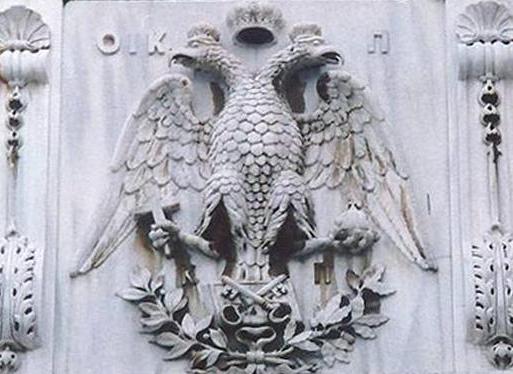
The use of Kephali is interesting given that Kephalee in Greek means Head and is said to be derived from the Phoenician /Hebrew, Kephal. A word who some say signifies, double.
An interesting note is that in the etymology of the compound word “Kephalos” we can find the words ke/ka, pha/pho and los or lus. If we are to dissect the meanings individually we will find that ke/ka is a word for ‘soul’, pha or pho is light or shining and los or lus which means little and can also mean esoterically;
‘Son’ as in “Little Son ie: Son of the Father ie: God” – “Sons of God.”
This is why in the Scripture, the Head Kephas can be found in relation to the “Son and Sons of God ie: Saints” who we know also hold the “Key to the Christian Mysteries ie: True Christian History/Gnosis.”
Interestingly enough, it has been said that the so-called Jewish origin of the symbol of the keys found in Revelation i. 18, iii. 7-9, (in Preuschen’s Zeitschrift ffir die neutest. Wissenschaft, iv. pp. 190192) that Kepha was the name given to a chamber in the temple where the keys were carefully preserved.
It makes perfect sense to call the land that the great city of Knossos, AKA Gnosis was built at the bottom of Kephala Hill upon by the name “head ruler” as being symbolically considered “as the ruler and the cornerstone of the world.” After all, as I have said numerous times, the island of Crete was considered for thousands of years as the holiest land in all the world and it was also known as the Center of the World and Soul of the World.
Control Crete, you hold the Royal Sceptre to the Soul of the World thus becoming the Double-Headed defacto rulers of Jerusalem and Rome as the legal successors to both Peter and Caesar.
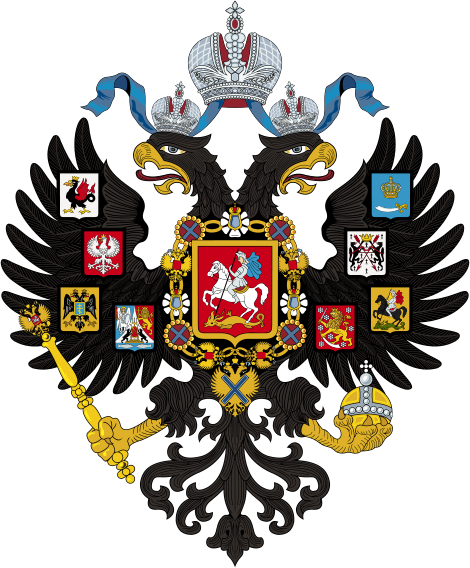
The Heavenly keys are held by the Sons of God, who holds the keys of Hades, by which the binding of demons and the gates of the lower world could be closed or opened. The Holy Protectors of Solomon’s Temple ie: Earth.
It should be no coincidence that Simon, AKA Kepha, AKA Saint Peter is the “Cornerstone of the Church” and he holds the Gnostic keys to the mysteries in his Right hand for it is said by the Lord;
“I will give you the keys of the kingdom of heaven; and whatever you bind on earth shall have been bound in heaven, and whatever you loose on earth shall have been loosed in heaven.”
by Moe | Jul 2, 2018 | Freemasonry, Gnosis, Mystical Christianity
We find in Ezekiel 11:22 that the “King of Tyre” is called a “cherub” and his home is located at the residence of Eden and the Mountian of God for it is said, “the king of Tyre is scornfully compared with one of these, and is assigned a residence in Eden and the mountain of God.”
As I mentioned in my previous article, Satan: Thou art the anointed royal cherub with Gnosis that covereth, Satan was a type of angel called a ‘cherub,” and he became a guardian of the Holy of Holies when he was “anointed as the cherub that covereth.” and a specific reference is made to Satan having been to a place known as the “Holy Mountain of God” and “walked up and down in the midst of the stones of fire.”
We also find that the King of Tyre is associated with Satan as he is described as the cherub in Eden mentioned in Ezekiel 28:13-14. This king is said by religious scholars to be identified with specifically Ithobaal III (Latin Ithobalus, Hebrew Ethbaal) (reigned 591–573 BCE) who according to the list of kings of Tyre of Josephus was reigning contemporary with Ezekiel at the time of the first fall of Jerusalem.
As I explained before, most Jewish writers and Christian Fathers conceived the cherubim as angels with special knowledge, understanding, and full of wisdom ie: Gnosis. We know that God had appointed them as guardians and protectors (Templars) as representatives of the Divine Wisdom of the Lord in the higher heavens.
If we are to look to the history provided to us on the Kings of Tyre, we will discover that they were instrumental in helping build one of Freemasonry’s most prized symbolic structures – Solomon’s Temple. It is said in Samuel 5:11, “And Hiram king of Tyre sent messengers to David, and cedar trees, also carpenters and masons who built David a house.”
Are Simon (Saint Peter), Satan, the Cherubim, the King of Tyre, Freemasons and the Catholic Church all connected with one another?
It is interesting that we know that Satan was, in fact, a real person and that he is also biblically associated with the order of angels known as the Cherubim and the King of Tyre. Masons are also associated with the Royal Gnostic we know of as Satan ie; Simon Magus (Saint Peter). Even more interesting is that in Ezekiel 28:12-19, the Fall of the King of Tyre who is driven from the Garden of Eden almost perfectly matches the description of the original fall of the First Gnostic, Simon Magus, AKA Satan.
The Fall of this Royal Masonic family can be plainly seen in Genesis iii. 24 by the cherubim placed before the garden of Eden, when Jehovah God “had driven out the man, He made to dwell on the east of Eden the cherubim, and the flame of a sword turning every way, to guard the way of the tree of life ”
It is clear that the “cherubim” signify a special race of beings or royal family/bloodline with “spiritual knowledge and wisdom ie: True Gnosis” in which they are anointed as “royal guards” with flaming swords who were placed before the garden of Eden which could not be approached except by good of love and charity; for this reason they are also said “to guard the way of the tree” which we can freely say today in the Masonic States of America were the “Guardians of Ancient Gnosticism.”
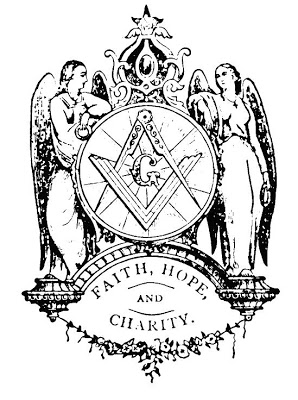
The Masonic Cherubim’s flaming swords “signifies the Word and truth combating against falsity and dispersing it, thus truth protecting” the way of “the tree of life” signifies True Gnosis from the Lord and the heavenly joy therefrom. From this, it is clear that the “two cherubim” represented guards of Mystical Christianity ie: Gnosis was not approached except by good of love and charity OR else!
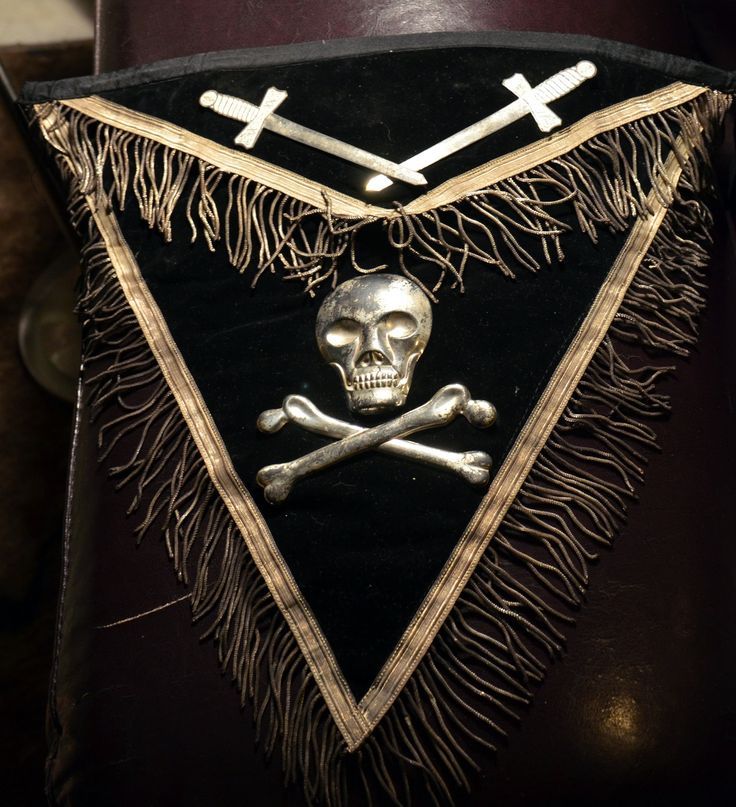
In my article, King Hiram: The Masonic Chief Architect from Crete, I explain ancient historical and mythical connections with religion and masonry originating on the Holy Island of Crete. A place I have also identified as “Pergamos. Where Satan’s throne is.” – Revelation 2:12
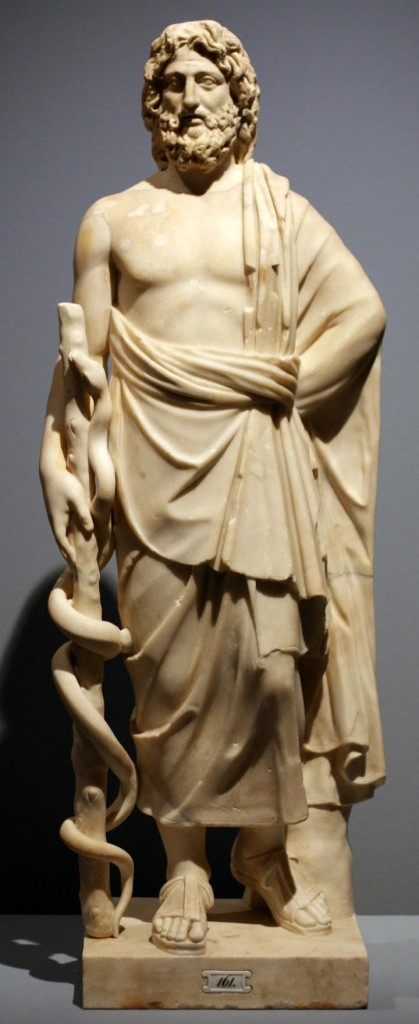
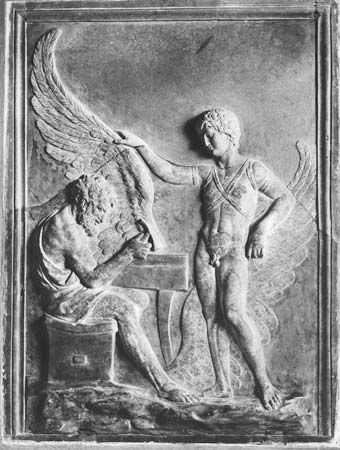
The same island where one of Hiram’s First Masons: The Cunning Daedalus Invented the Masonic Working Tools. 33rd Degree Freemason, Albert Gallatin Mackey had said Daedalus executed the Cretan labyrinth, the reservoir near Megaris in Sicily, the Temple of Apollo at Capua, and the celebrated altar sculptured with lions on the Libyan coast.
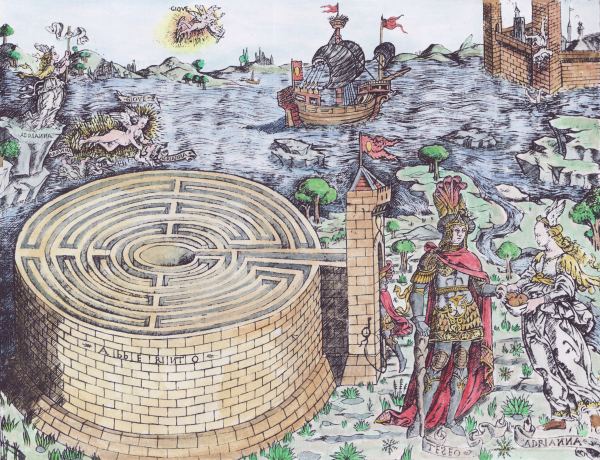
Mackay also said he was the inventor of a number of the “Working Tools” used in the various degrees of Masonry such as the compasses and square, the plumb-line and the axe, most of the tools used in carpentry, and of glue and his nephew, Perdix, is the reputed inventor of the third Great Light in Masonry, the Compasses, which are dedicated to the Craft. (page 945)
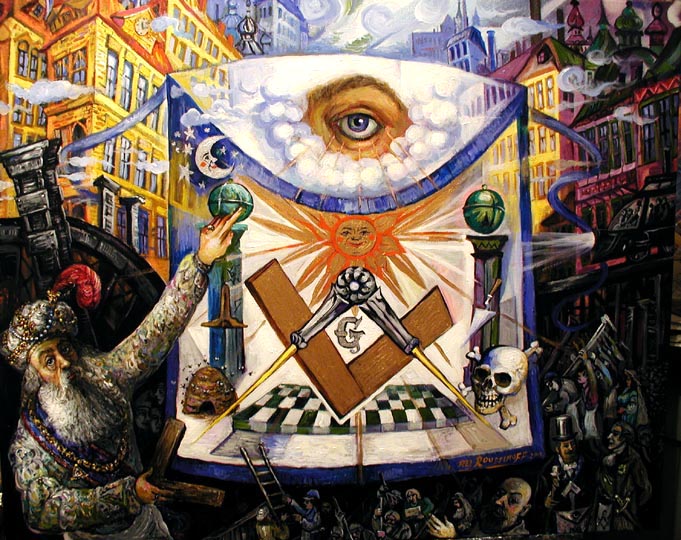
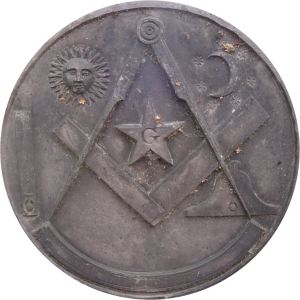
As I have explained on numerous occasions, the Freemasons are the inheritors of the world’s Gnostic mysteries with their most prized symbols – the letter G signifying Gnosis, the Blazing Star (Pentagram), and Compasses and Square.
It is said in the Scripture of the Great Fall of the Masonic King Hiram of Tyre in Ezekiel 28:12-19;
“Mortal, raise a lamentation over the king of Tyre, and say to him, Thus says the Lord GOD: You were the signet of perfection, full of wisdom and perfect in beauty. You were in Eden, the garden of God; every precious stone was your covering, carnelian, chrysolite, and moonstone, beryl, onyx, and jasper, sapphire, turquoise, and emerald; and worked in gold were your settings and your engravings. On the day that you were created, they were prepared.
With an anointed cherub as guardian, I placed you; you were on the holy mountain of God; you walked among the stones of fire. You were blameless in your ways from the day that you were created, until iniquity was found in you. In the abundance of your trade, you were filled with violence, and you sinned; so I cast you as a profane thing from the mountain of God (Holy Mountain), and the guardian cherub (Satan) drove you out from among the stones of fire.
Your heart was proud because of your beauty; you corrupted your wisdom for the sake of your splendor. I cast you to the ground; I exposed you before kings, to feast their eyes on you. By the multitude of your iniquities, in the unrighteousness of your trade, you profaned your sanctuaries. So I brought out fire from within you; it consumed you, and I turned you to ashes on the earth in the sight of all who saw you. All who know you among the peoples are appalled at you; you have come to a dreadful end and shall be no more forever.”
As I said before, Simon Magus, a man we know as the First Gnostic and also Satan was also called the “anointed cherub” and made a guardian of the Holy of Holies. We learn from Saint Irenaeus that Simon’s consort Helen is a converted slave and prostitute from the Phoenician city of Tyre.
Helen was considered the Lost Sheep with no Gnosis of her royal soul, forced to wander through the centuries from vessel to vessel (including that of Helen of Troy), until she ended up at the brothel in Tyre where Simon had discovered her.
The same Holy Island of Crete where Hiram is the Widow’s Son and his Sovereign Masons are world-renown.
Knowing she was the One, he purchased her from her master and she became his Gnostic disciple (student) during his travels and teachings.
it was said that their reunion (Union of Soul/Opposites/Duality Become One) represented the beginning of the redemption of the world, and was the model for the process of salvation ie: Gnosis to Simon’s followers – the True Gnostics being that of the exoteric Catholic Church and esoteric Freemasons.
by Moe | Apr 26, 2018 | Meaning of Words
The English word idea means, “to conceive anything in the mind; also a model, a copy to be imitated.”
Not many people know that the words idol, doll, ideal, and idyll are all derived from the word “idea.”

In Norse mythology, Ideas’ name is Idun (Iðunn) and is a goddess associated with apples and youth. The name Ida is found in England as Ada, Ida or Edith which all mean rich-gift, blessing, or happiness. The Hebrew name Adah signifies ornament.
(more…)
by Moe | Feb 28, 2017 | Gnosis, Gods & Goddesses
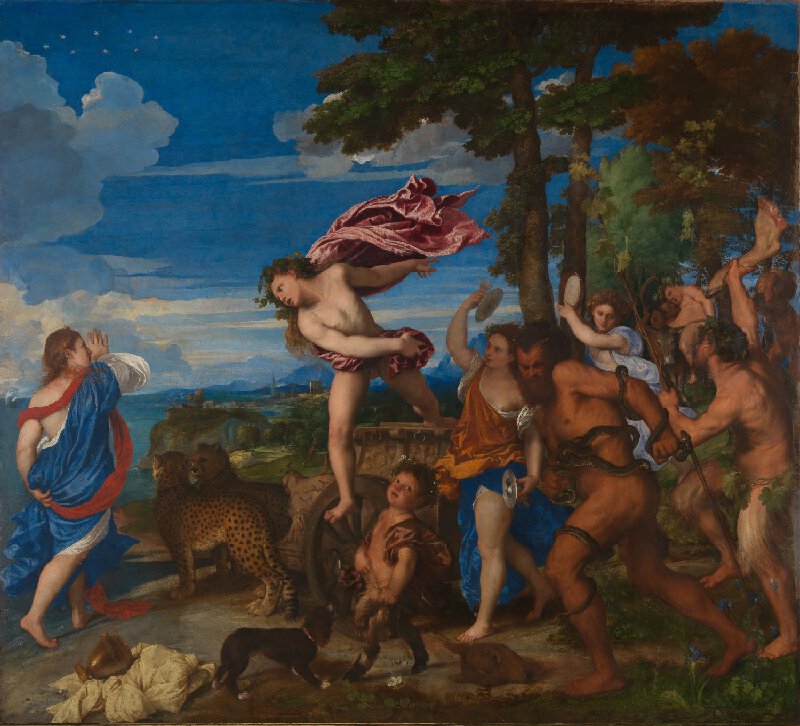
The Gnostic Goddess Ariadne was the daughter of the famous Law Giver and King of Crete, Minos and her Grandfather was the God Zeus. She was also known by the names of Gnosis, Gnosias, and CreUSA (U.S.A.) which all signify her hometown of Knossos, AKA the City of Gnosis on the ancient Holy Island of Crete in the Mediterranean Sea.
Ariadne was immortalized in the halls of Gnosis and Freemasonry for helping her lover, Theseus who was the mythical founder-king of Athens to conquer the Minotaur and deliver him out of the Labyrinth by the means of a Thread. For doing so, she was also known as the “Mistress of the Labyrinth“, As noted on the Linear B inscription from Knossos, “to all the gods, honey… to the mistress of the labyrinth honey.” 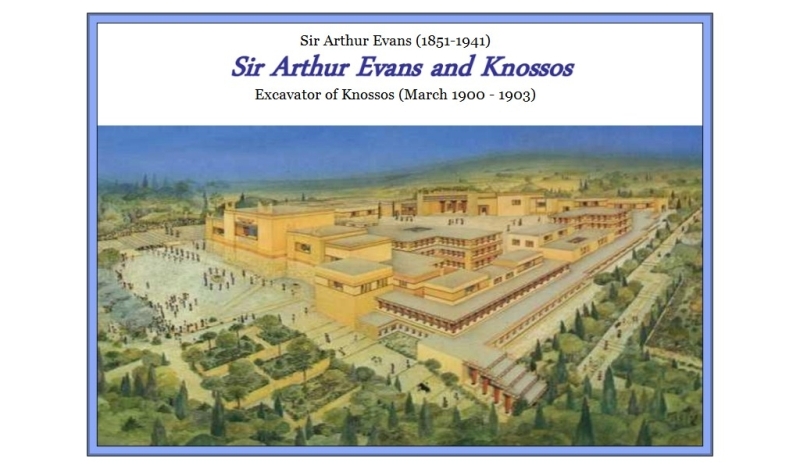 (more…)