by Moe | Apr 28, 2015 | Gods & Goddesses
Fatherly power in God — God is frequently referred to in the Chaldean Oracles of Zoroaster as 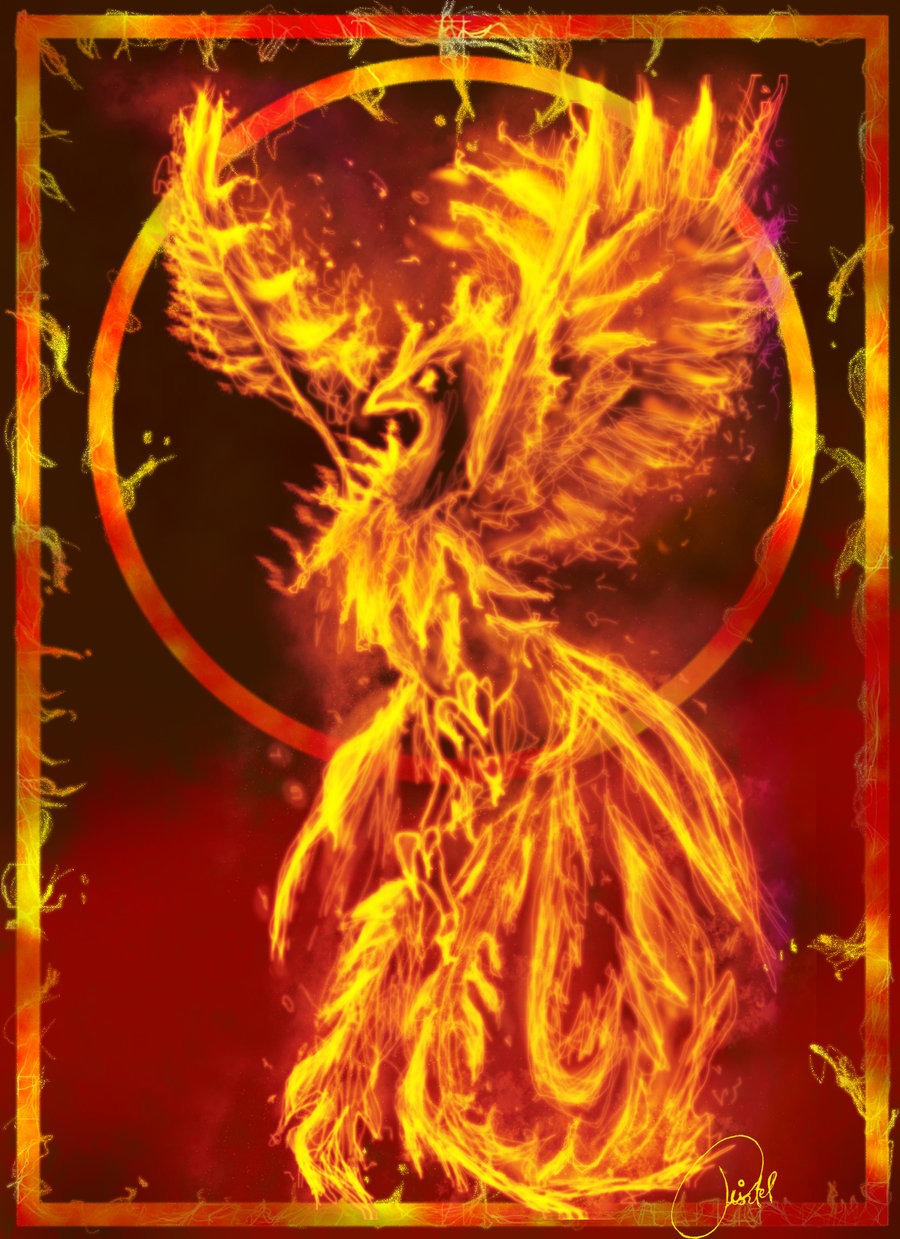
Father, intellect, and Fire, but there is no explicit mention of the son of God.
Some of the titles given to God in translation in the Oracles are; “Mind of the Father”, “Paternal Father,” ‘Paternal Intellect,” “Paternal Principle,” Father of Gods and Men,” “Paternal Fountain,” brilliant fire, and the ‘animating of all things.” (more…)
Moe is the founder of GnosticWarrior.com. He is a father, husband, author, martial arts black belt, and an expert in Gnosticism, the occult, and esotericism.
by Moe | Apr 27, 2015 | Gods & Goddesses, Meaning of Symbols
This rare Gnostic image below shows the name of God in seventy-two languages from Athanasius Kircher’s OEdipus AEgyptiacus which is his Great Work Egyptology. After his studies and many years of research he concluded “that I am fully persuaded that either the Egyptians were Hebraicizing or the Hebrews were Egypticizing.”
Inscribed upon the petals of a symbolic sunflower are the 72 names of God that in Hebrew is called “Shemhamphorasch (alternatively Shem ha-Mephorash or Schemhamphoras, originally Shem HaMephorash (שם המפורש)).” The “72-fold name” is highly important to Sefer Raziel, and a key (but often missing) component to the magical practices in The Lesser Key of Solomon.
(more…)
Moe is the founder of GnosticWarrior.com. He is a father, husband, author, martial arts black belt, and an expert in Gnosticism, the occult, and esotericism.
by Moe | Apr 24, 2015 | Quotes
Moe is the founder of GnosticWarrior.com. He is a father, husband, author, martial arts black belt, and an expert in Gnosticism, the occult, and esotericism.
by Moe | Apr 24, 2015 | Freemasonry
A secret Masonic hand clasp, handshake or handgrip is used between two Freemasons in order to recognize 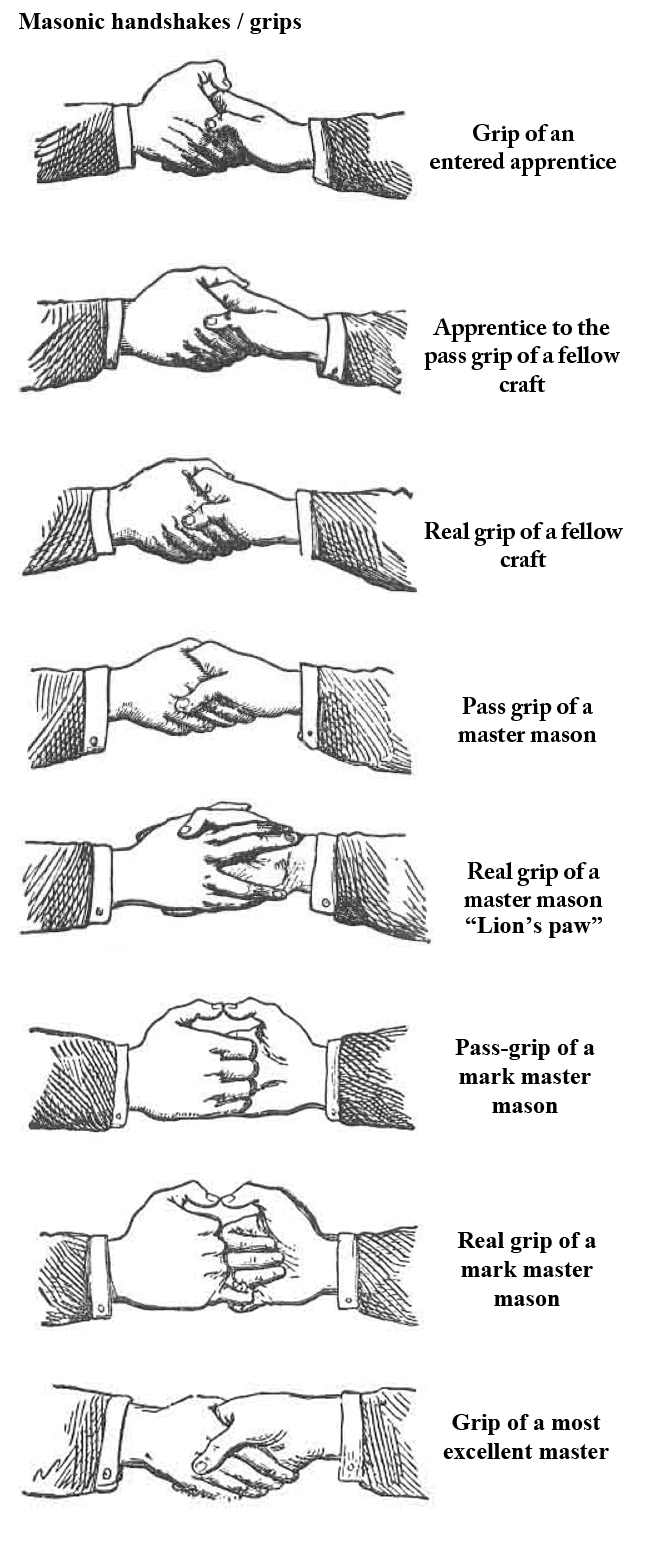 that they are Brothers of the same Order. This is how they simply identify who is a Mason and who is not.
Even the type of grip they hold can identify which Masons are of the lower degrees and higher degrees by testing his handshake. It is a universal sign of unity and an important Bro’ mode of recognition.
The facts are that if you want to get anywhere into the true power centers of the upper echelons of this world, you will have to know these Masonic secret handshakes and earn your degrees. (more…)
Moe is the founder of GnosticWarrior.com. He is a father, husband, author, martial arts black belt, and an expert in Gnosticism, the occult, and esotericism.
by Moe | Apr 24, 2015 | Meaning of Symbols, Numerology
Leonardo da Vinci briefly studied geometry with Franciscan friar, Luca Pacioli (ca. 1445-1509) who is best known for his compendium of fifteenth century mathematics, Summa de arithmetica, geometrica, proportioni et proportionalita (1494).
Being an artist, Da Vinci had chosen to focus mainly on the shape, size, and descriptive features of objects specifically, those illustrating the sphere, cone, cylinder, pyramid, and the five Platonic solids rather than their theoretical foundations. He created sixty plates geometric sketches for the work of Leonardo da Vinci’s Geometric Sketches (Divina proportione).
The following images are facsimiles of several of these plates. (more…)
Moe is the founder of GnosticWarrior.com. He is a father, husband, author, martial arts black belt, and an expert in Gnosticism, the occult, and esotericism.