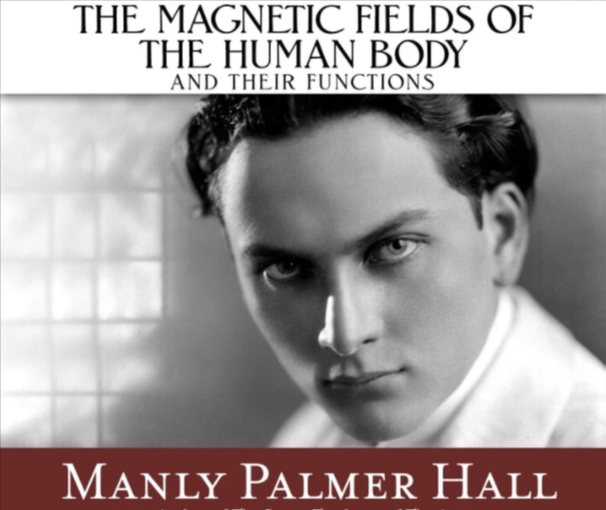
Manly P. Hall had said that within man is an inner world that is influenced by our inner life and thoughts via the body’s magnetic field and can be destroyed by his own thinking.
The following selected excerpts are from the lecture notes of Hall on magnetism and the magnetic fields of the human body. I will also include a video and other quotes by Hall that I have found online.
Hall says;
“Now let us take this same pattern and impose upon it the magnetic fields of the human body. This is an inner world, another kind of earth, an invisible element, in which man also lives.
This kind of earth is largely influenced by internal life, and it can be destroyed by his own thinking just as easily as his environment can be polluted by his own selfishness.
Assuming that this magnetic field of the human body is a very subtle link between pure energy and material structure, it means that this link, a highly delicate thing, participates in both elements.
It has within it and of it the quality of life, and it also has a part of its structure, the abstract quality of matter.
It is therefore this kind of magnetism that Anton Mesmer was concerned with; a magnetism that is physical and metaphysical, material and super-physical at the same time. It is able to manifest through bodies because it has a certain type of material content. It is capable of sustaining bodies because it is a carrier for something that bodies must have — that is, pure energy.
‘This instrument or magnetic field flows by its own inevitable momentum, into the body, forming a kind of bridge, or an elaborate system of aqueducts, binding energy, and form.
‘Thus a vast world of magnetism opens up, which explains numerous factors that we know to be true — a world which could remind scientifically trained individuals of the importance of the subtle psychic forces that work under and behind the appearances of life.
Here is the full video lecture by Many Hall on the Magnetic Fields of the Body;
https://www.youtube.com/watch?v=Qtn6D_Z_EuM
Also, we have from the whole concept a valid and reasonable incentive to recognize that the growth of ourselves as persons, the maturing and enriching of our lives, the attainment of hope, faith, and love, the living of a relaxed, orderly, moderate existence — these things become the basis of health, happiness, security, and peace of soul for ourselves. They protect us against the burdens which arise from tension and depletion.
They tell us very clearly that as a man thinketh in his heart, so he is; so is his body, his function, his environment, his capacity to work and play, his capacity to live and enjoy.”
Energy, in its pure and complete state, is universal. We live constantly in a field of energy, whether it is cosmic, solar, or planetary. And yet, much of this energy does not directly affect us because we are able to respond only to those parts of energy for which we have conditioned polarities within ourselves.’ – pg 2
‘Mental energy, or the energy which maintains the humanity in man, has sometimes been referred to as spiritual energy. This energy comes from a divine source in the world — from that God-power or Being nature which is invisible and intangible and has no correspondence in the physical structure of things. Man accepts this energy as a kind of nutrition required by a form of appetite which he must cultivate.
‘Actually, spiritual energy, like all other kinds, permeates him at all times, but he must create receptivity to it. He must obtain his nutrition of spiritual or life power through a gentle process of acceptance.
He must open his inner life to the light of an interior sun. He must open his spiritual consciousness to the energies of a spiritual universe. And by creating interests, attitudes, desires, in this direction, he draws this energy to himself. Therefore, it is more available and more practically useful in the lives of devout persons.
‘The attitude of devotion, the receptivity to the God-element in nature, is the kind of feeding process by which spiritual energy comes to man. He must have the pole within himself, or he cannot hold the energy field.’ – pgs 4-5
‘Generally speaking, our happiness and misery, our health and sickness in this world, depend upon our own adjustment with them. If we are by nature belligerent, if we are critical, fault-finding, this world loses most of its beauty. If we are over-ambitious, create powerful nationalism, engage in wars and insurrections, or become upset by theological intolerance, we gradually change this world into a very dismal, miserable place.
‘Yet the world itself has not changed. Man, by the over-development, without adequate thought or reflection, of his industrial way of life, has also, to a measure, endangered his health and survival. He has polluted his streams, he is polluting his atmosphere, and he is endangering his survival with atomic fallout.
These things, however, are not the works of Nature; they are the works of man. And, if, in the end, he shall make this earth uninhabitable, it will not be because the earth is sterile, but because his own ignorance, selfishness, foolishness and fear, have divided him from the natural, reasonable way of life for which he was intended, and have subjected him to the miseries, sicknesses, and disorders which are their inevitable consequences. These things are not the works of the universe; they are the works of man….
‘Now let us take this same pattern and impose upon it the magnetic fields of the human body. This is an inner world, another kind of earth, an invisible element, in which man also lives. This kind of earth is largely influenced by internal life, and it can be destroyed by his own thinking just as easily as his environment can be polluted by his own selfishness….
‘Assuming that this magnetic field of the human body is a very subtle link between pure energy and material structure, it means that this link, a highly delicate thing, participates in both elements. It has within it and of it the quality of life, and it also has a part of its structure, the abstract quality of matter.
It is therefore this kind of magnetism that Anton Mesmer was concerned with; a magnetism that is physical and metaphysical, material and super-physical at the same time. It is able to manifest through bodies because it has a certain type of material content. It is capable of sustaining bodies because it is a carrier for something that bodies must have — that is, pure energy.
‘This instrument or magnetic field flows by its own inevitable momentum, into the body, forming a kind of bridge, or an elaborate system of aqueducts [‘cooperative networks of conscious particles’ – Gary], binding energy and form…. ‘ pgs 5-7
‘… nearly all physical debilities, devitalizations and diseases result from the obstruction of energy. And this obstruction of energy can be either physical, vital, emotional or mental…. One of the most common causes of obstruction is tension, which obstructs because it locks and causes the structure to lose its receptivity to life.
Tension, therefore, creates receptivity to death.
‘No individual who is tense can ultimately escape the penalty of his own tension. He is creating fixedness in a moving universe. He is locking something in a world in which anything that is locked dies. Therefore, in all these problems where tension is at the root of energy depletion, there has to be a process of unlocking. This means the restoration of the free distribution of energy.
It means that the structure is again made receptive to the magnetic field, and once the natural and proper influx of energy is received, the recuperative process begins…. Thus, the individual who wants to live must be receptive to the magnetic field which is sustaining him…. pgs 8-9
‘Our protection against any form of negative force is always the absence of that quality in ourselves or the constructive control and redirection of that quality. If we have transformed fear into faith within ourselves, the collective fear of all mankind cannot shake it…. Thus, the more difficult the times in which we live, the more sincere and honorable must our endeavor be to maintain the attitudes which are necessary for our own security.
‘Thus a vast world of magnetism opens up, which explains numerous factors that we know to be true — a world which could remind scientifically trained individuals of the importance of the subtle psychic forces that work under and behind the appearances of life.
Also, we have from the whole concept a valid and reasonable incentive to recognize that the growth of ourselves as persons, the maturing and enriching of our lives, the attainment of hope, faith and love, the living of a relaxed, orderly, moderate existence — these things become the basis of health, happiness, security and peace of soul for ourselves.
They protect us against the burdens which arise from tension and depletion. They tell us very clearly that as a man thinketh in his heart, so he is; so is his body, his function, his environment, his capacity to work and play, his capacity to live and enjoy.
‘… we live in a world of energies and our health depends upon these energies being available to us. And the only way in which they are available to us is when we keep the rules of the game. When we do this, we find that we have little need to complain against the circumstances in which we find ourselves. When we break faith, we become tired and irritable and sick.
The answer is to relax, regain the available supply of natural energy and, by so doing, find the source of life within ourselves, rather than depending upon exterior things for that which should come out of our own consciousness through experience.’ – pgs 20-21
Manly P. Hall on magnetism and Black Magic;
Any effort to force conditions that are not merited comes under the heading of Black Magic or sorcery.
A sorcerer is simply a person who uses the mechanical processes of the will in an effort to force out of nature things or conditions not merited under the law of Karma. By hypnosis, by the exercise of willpower, by formulas, it is sometimes possible to temporarily here in the physical world force the semblance of unjustified conditions.
A man can steal by metaphysical means just the same as he might rob a bank or forge a name, or in some other harmful way come into possession of that which is not his own, but the mere fact that it can be accomplished in such a manner does not justify the process nor make right the wrong principle which is involved.
By the malicious use of willpower and animal magnetism, the law of cause and effect can apparently be nullified for a short time. But again the mere fact that it can be accomplished does not establish the integrity of such a process. The only way in which any individual can honestly possess what he desires is to earn or deserve that thing.
Moe is the founder of GnosticWarrior.com. He is a father, husband, author, martial arts black belt, and an expert in Gnosticism, the occult, and esotericism.
Controlling the magnet is the secret art of magic.
In the occult and esoteric circles, this scientific phenomenon of “harnassing this force or energy” is generally associated with the terms “magnetism, mesmerism, will, magic, self-control, and mind control.”
Science tells us today that the mind has mighty magnetic power.
Like a magnet, the mind attracts both positive or negative situations and events, and it also repels these exact scenarios.
To understand more how the brain works magnetically, we must first grasp how a magnet works.
For example, if we are to take a compass, we will find that the compass needle always turns automatically toward the “magnet of the North Pole.”
A natural law at work shows us the infinite relationship between the needle, which is metal and composed of countless tiny particles called molecules that are in a constant state of motion, and the earth itself, which draws it.
Thus, magnetism, self-control, and mind control can be explained in terms of what the magnet does to the needle.
It makes it like itself.
The needle is pulled toward the North Pole because the magnetism of the North Pole moves all the tiny particles in the piece of steel so that they move in the same direction as the molecules in the North Pole move.
When the tiny particles in the compass needle are moving in the same direction and with the particles in the North Pole, they magnetize and become alike. The magnetic power of the North Pole directs the molecules in the needle that is drawn to it.
It is just as if the magnetic of the North Pole were flowing through the needle is being guided by an invisible power more significant than it is.
The same type of magnetism that I contend happens with the human mind.
To understand how this happens, consider the relationship between the needle and the magnet. Before the magnetic power began to direct the needle, all these molecules within it were going in different directions.
A state of chaos.
The same thing we can say happens to a person who is not in complete control of his or her mind. They often live in a state of confusion like the needle. They may be active and alive, but their activity is not pointed in a given direction.
As soon as the magnet’s invisible power began to flow through the needle, they were brought into harmony.
Order was restored.
The needle and pole force began to move as if they were one with and a part of this invisible force.
Let us use this magnetic illustration from natural law to teach us a great spiritual lesson when it comes to our minds.
Science now tells us that the quality of the thought process of an individual is paramount because research shows us that repeated thoughts also act as a magnet, attracting to you what you are thinking about.
The reason why creative visualization and the law of attraction work for many people. What you often think about is what your body and life follow once this “self-induced thought programming conditions it like a magnet.”
Today, doctors can detect magnetism in humans.
They can monitor and even decode human thoughts using what is called Magnetic Resonance Imaging (MRI) and Phosphorus Magnetic Resonance Imaging (PMRI) via nuclei such as carbon (C13) and phosphorus (P31).
Magnetic resonance imaging is a medical imaging technique used in radiology to form pictures of the anatomy and the physiological processes of the body. MRI scanners use strong magnetic fields, magnetic field gradients, and radio waves to generate images of the organs in the body.
For example, researchers at Carnegie Mellon University developed an algorithm that can decode a person’s thoughts using data from a brain scan and are now identifying complex thoughts from spirituality to death and suicide.
Humans are known as carbon-based life forms and Carbon is Element 6 on the Periodic Table of Elements or more appropriately, 666. It consists of 6 Neutrons, 6 Protons, and 6 Electrons and is the world’s most important structural element, and about 12 percent of your body’s atoms are carbon.
We can connect the art of magnetism to science which is explained in quantum mechanics as the intrinsic angular momentum or “spin” of electrons, which can have only one of two values; “up or down”.
Moe is the founder of GnosticWarrior.com. He is a father, husband, author, martial arts black belt, and an expert in Gnosticism, the occult, and esotericism.
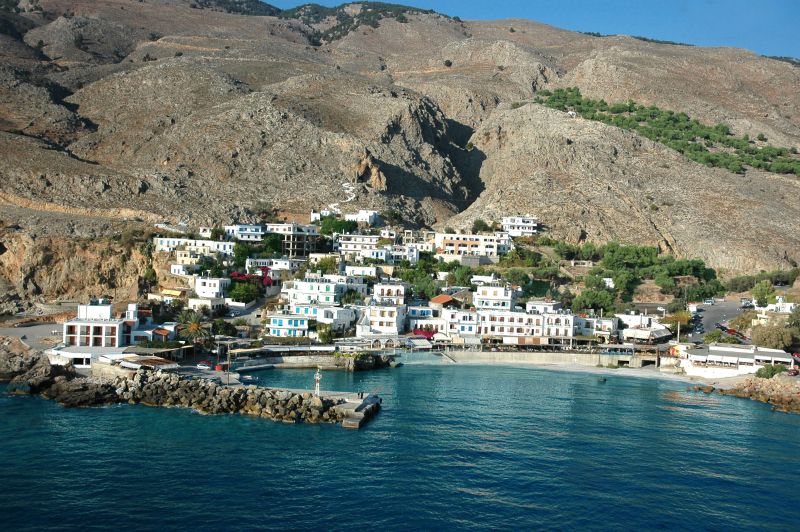
On the southwest side of the Greek island of Crete, near a pristine cove and virgin beaches, sits the ruins of a town Agia Roumeli, that was once called Tara (Tarrha, Tarra, Tarrhus, Tarros, – Greek: Τάρρα). An ancient city with an illustrious history that during the Greco-Roman period was one of the most important of all the Mediterranean.
The natives and people of Tara were some of the most learned men in this part of the world. Writing in 19 A.D., Strabo tells us of its inhabitants’ enthusiasm for learning, especially for philosophy. In this respect, he speaks of Tara as Tarsus and claims the city surpasses Athens and Alexandria and every other university town.
According to traditional history, Greek colonists from Sparta founded the city Taras after the mythical hero Taras. The earliest legends tell us that Apollo, after murdering Python, arrived in Crete at Delphi, which is associated with Tara to be cleansed through purgatorial rituals ministered by the “first priests of Apollo who were Cretans from the City of Gnosis – Knossos.”
Here dwelt the famous temple of Apollo, surnamed Tarrhaeus, and the Oracle of Delphi, near the Southern part of the Samaria Gorge. Outside their temple of Gnosis, it simply read, “Know Thyself and Nothing in Excess.” The place where the High Priest Carmanor (Karmanor) where Apollo’s purification was woven into the Greek myths of the god’s entry into Delphi, and in times of plague (COVID), Epimenides Gnosis and other Cretans were summoned by the Delphic oracle.
During the first centuries of the Greco and Roman empires, the Island of Crete and the city-state of Tara was a place of greatest importance to the Imperial Cults in the Mediterranean. It was famous for many hundreds of years because of its history, learning, university, beauty, people, and its central location near mainland Greece and Egypt to operate its powerful maritime fleets and mercenary armies of archers.
The spiritual and historical roots of Tara tell us it was once one of the most ancient powerful cities of all the Old World who ruled over the rest of the cities such as in Southern Italy and Rome that was known as “Magna Graecia (Greater Greece)” in the time Before Christ (BC) and early AD. It once had one of the most advanced governments and militaries with a powerful fleet of ships that included a field army of tens of thousands of men.
It was inhabited and fiercely contested over since time immemorial. Due to the richness of the landscape which provided an abundance of fresh water and wildlife for food and the excellent quality of its wood, Tara or Tarsus became the epicenter of the world and of religion as well.
A famous old town that I believe various historical accounts connects us to the cities Tarsus, Tarshish, Tyre, Tyanna, and Ataroth, which I have found are all the same city but with different names throughout the last 2,000 plus years.
In order to travel to this area of Crete, you will find that there are no roads or tourist industries in or around the sleepy town of Agia Roumeli. By design or fate. The only way to find the remnants of Tara is by boat or a very long hike.
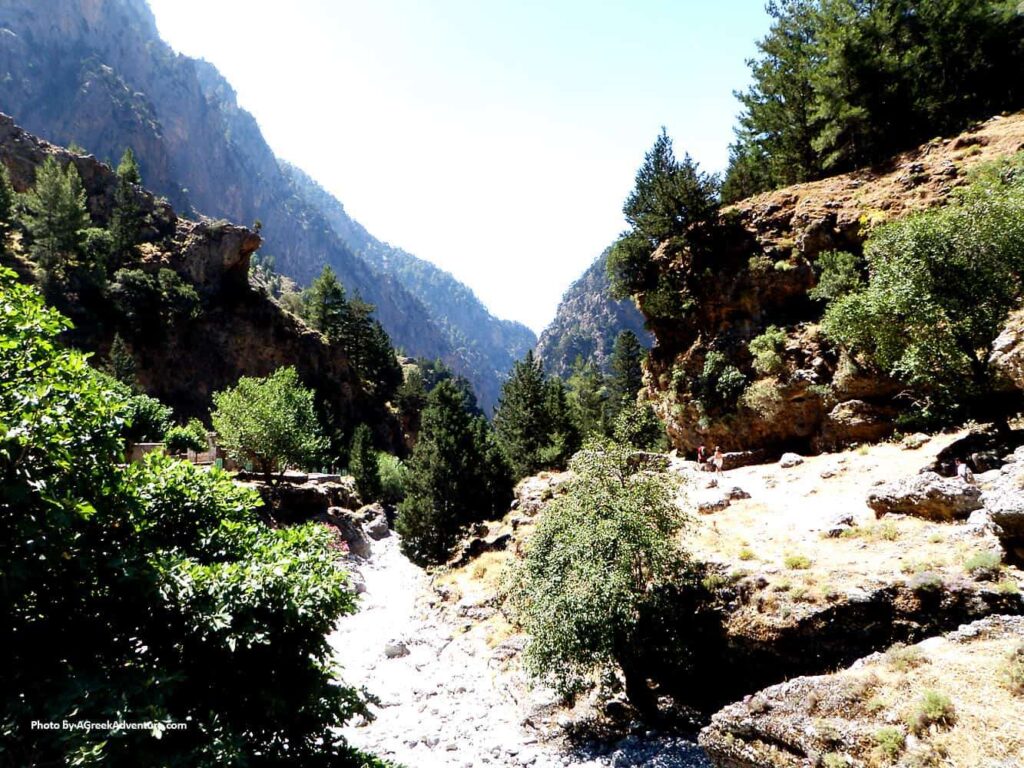
It has just about disappeared from history, but a necropolis was once excavated there, and some ruins can still be seen of it on the eastern side of the river (which runs down through the Samaria Gorge). The exact area that I believe is the same river described Biblically concerning the Tarsus and the story of Saint Paul’s (Saul of Tarsus) hometown near the Cydnus River now called the river Tarraios, which was also located near the ancient village of Samaria, midway down the gorge. Mt. Tarsus would be the beautiful White Mountains.
The river Tarraios dries up in summer but floods in winter, runs the length of the gorge and its mouth is at Agia Roumeli, formerly Tarra.
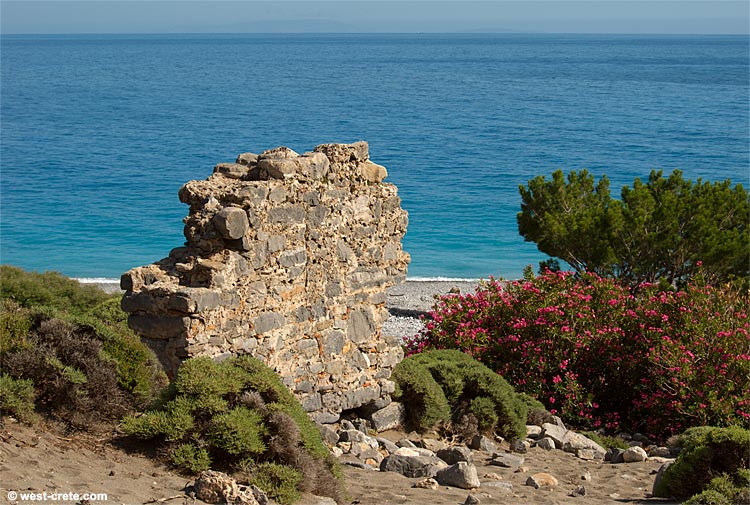
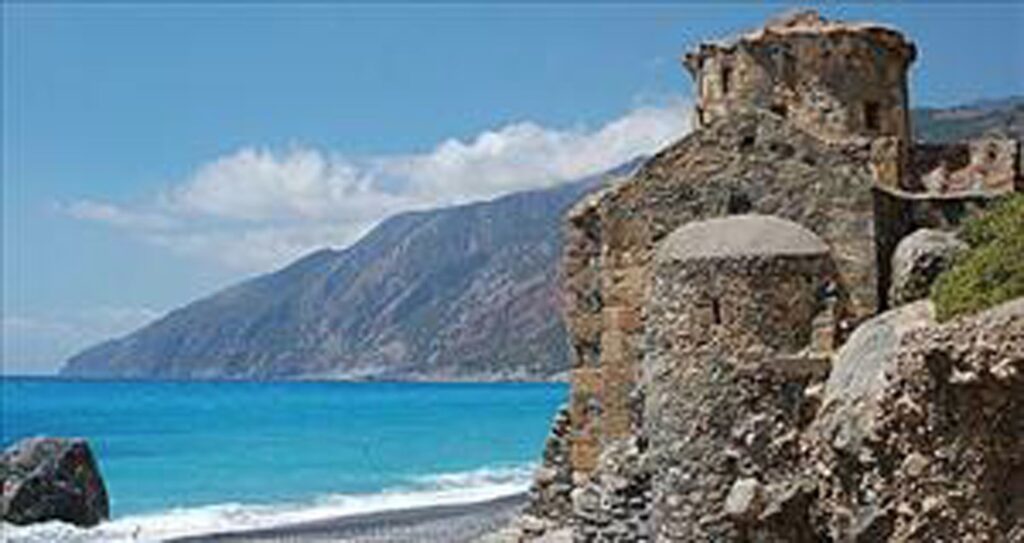
The recent photo below is from the lower part of the necropolis of Tara just above a rare “black sand beach” looking towards the Libyan sea.
HOW THE LEARNED MEN OF TARA MIGRATED TO ROME
What made the school of Tarsus different from other areas of the world according to Strabo was the fact that the entire student body was composed almost entirely of natives, who, after finishing their course, usually went abroad to complete their education and in most cases did not return home. Whereas in most universities, the students were mainly foreigners, and the natives did not show the same great love of learning.
In fact, Strabo emphatically states that Rome is full of Tarsians and Alexandrians and I believe they played a very important role in the formation of the early Roman Empire.
Among the famous learned men and philosophers were Stoics Antipater, Archedemus, Nestor, Athenodorus surnamed Cordylion, the friend and companion of the younger Marcus Cato also known as Athenodorus Cananites, (called Canaanites after the village of his birth), who was the tutor and friend of the first Roman emperor, Augustus Caesar and is credited with reforming the Tarsian constitution. Other philosophers of Tarsus were Nestor, a representative of the Academy, and tutor of Marcellus, Augustus’ nephew and destined successor, and of Tiberius, Plutiades and Diogenes;
Tara was the birthplace of philosophers, strategists, writers, and athletes such as Aristoxenus, Livius Andronicus, Heracleides, Iccus, Cleinias, Leonidas, Lysis, Sosibius, and Lucillus of Tarrha (or Loukillos). He commented on the Argonauts of Apollonius of Rhodes. In mythology, Chrysothemis, was the victor of the Pythian Games at Delphi and was also the son and poet of the High Priest Carmanor, who was from Tara as well.
Among the famous learned men and philosophers from Tara, Crete were people such as Paul the Apostle, Stoics Antipater, Archedemus, Nestor, Athenodorus surnamed Cordylion, the friend and companion of the younger Marcus Cato also known as Athenodorus Cananites, (called Canaanites after the village of his birth), who was the tutor and friend of the first Roman emperor, Augustus Caesar and is credited with reforming the Tarsian constitution. Other philosophers of Tarsus were Nestor, tutor of Augustus’ nephew, Marcellus.
It was distinguished for the culture of Greek literature and philosophy, so it was the rival of Athens and Alexandria. People such as Paul the Apostle were born here and it was the location of the first meeting between Mark Antony and Cleopatra that had occurred a long ago and was also home to the infamous, Cleopatra’s Gate.
Some of the most famous people I have discovered from Tara AKA Tarsus were the highly influential Greek neo-Pythagorean philosopher, Apollonius of Tyana, who was educated at Tarsus in the Temple of Aesculapius and also lived and died on Crete. Apollonius was a student of the Pythagoreans whose teachings were held in the highest esteem and influenced both scientific thought and occultism for many centuries after his death.
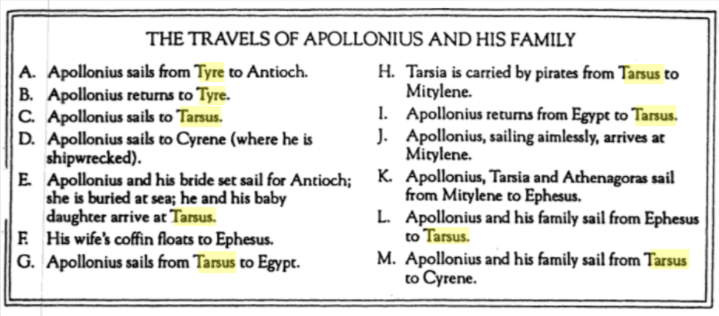
Over the last 2,000 years, various legends told over this time about Apollonius in many different languages and by a plethora of authors tell of many places he had allegedly visited that all are spelled in a similar fashion and sound the same like Tarsus, Tarsia, Tyana and Tyre. Stories like Apollonius sails from Tyre to Antioch. In Tarsia, He is carried by pirates from Tarsus; Apollonius returns to Tyre; Apollonius sails to Tarsus; Apollonius returns from Egypt to Tarsus . D. Apollonius sails to Cyrene, etc…
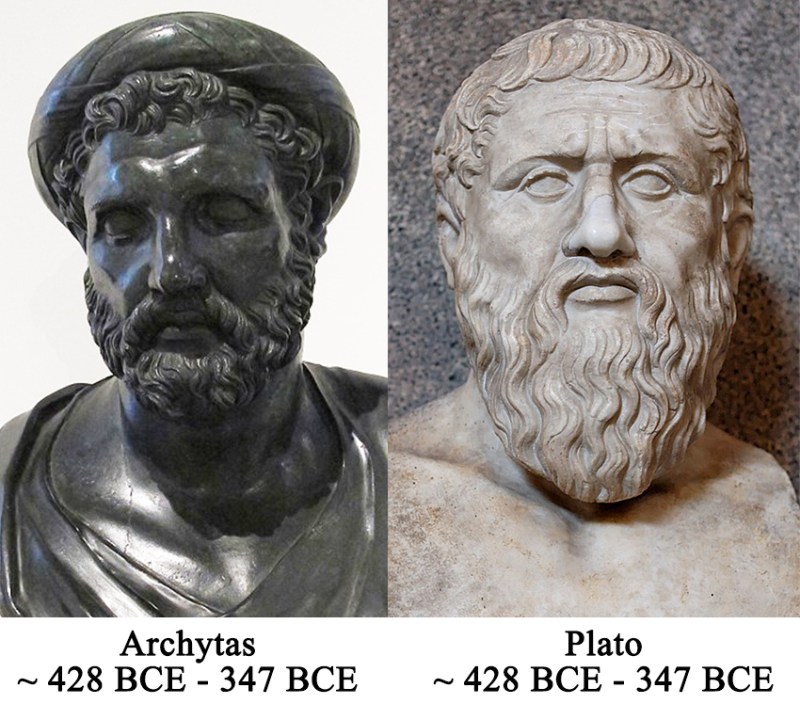
Another famous Taraseian from Tara was Archytas, a Pythagorean and ruler of Tara for seven years. He was an esteemed member of the Pythagorean school for his wisdom and virtues and was famous for being the founder of mathematical mechanics, as well as a good friend of Plato. The Seventh Letter of Plato asserts that Archytas attempted to rescue Plato during his difficulties with the Greek Archon Dionysius II of Syracuse.
I also find it interesting that many of these philosophers from Tara, Tarsus, or whatever you want to call the town were also resemble one another as if they were related by blood.
Under the rulership of Archytas, the government of Tara reached the apex of its development with a political hegemony over the other Greek colonies of Magna Graecia in southern Italy and one of the largest cities in the world, with a population estimated up to 300,000 people. Strabo associates Archytas with the flourishing of Tara and also its military might. In his honor, a crater on the Moon is named Archytas, and just to the southwest, we find his friend, the dark-floored crater Plato.
Due to its history and importance, the city of Tara had become one of the most esteemed and powerful cities in all the Mediterranean from 500 BC onwards which is reflected by its historical alliances and foreign policy. Tara belonged to a federation of Cretan cities composed of Lissos, Syia, Pikilassos, Hyrtakina, and Elyrus (Elyros) who are knowns as the Elyrians (Illyrians). Pausanias tells us how the people of Elyrus in Crete sent a bronze goat to Delphi; “ The goat is suckling the infants Phylacides and Philander, who were said to be the children of Apollo by a nymph Acacallis, whom Apollo visited in the city of Tara.
In later times, we find Tara signed an important agreement cementing an alliance with the neighboring Cretan City of Pergamon through King Eumenes II in 170 under the Attalid dynasty. Eumenes (B.C. 196-159) of Pergamon was the son of Cretan King and friend of the Romans, Attalus (B.C. 241-197).
In the Scripture, the original city of Pergamon is also known as the throne of Satan via Revelation 2:12 “Pergamos – Where Satan’s throne is.” Pergamon was originally located on the Island of Crete approximately 18 miles inland from the west coast. It lies opposite the Island of Dia (Cos, Chios, Patmos) to the west of Mount Ida, and Knossos was as well. It was said to be on the river Caicus almost halfway between Smyrna on the south, and Troy on the north. Pliny places it between the city of Sidonia (Cydonia) and the city of Kiasmos.
Pergamon was also home to the Temple of the ancient Greek God of wisdom, medicine, healing, rejuvenation, and physicians known as ‘Asclepius’. His temple was known as the Sanctuary of Asclepius which was one of the most famous schools, libraries, and medical centers (hospitals) ever known in the ancient world.
Under Augustus Caesar’s rule, the first imperial cult was established in the province of Asia was in Pergamon. Pliny the Elder refers to the city as the most important in the province and the local aristocracy continued to flourish in power up until the 1st century AD.
Lawyer and author, Robert Pashley was the first modern archaeologist to find the location of the city of Tara and investigate it. Pashley was one of the modern foremost experts of Cretan culture in the first half of the nineteenth century. He was the also first person to discover the location of the ancient buried city of Sidonia (Cydonia). At the time of Pashley’s arrival on Crete, it was under Muslim-Egyptian administration so I would assume much of this early history and Biblical secrets he discovered were suppressed. He published his Great Work in the two-volume book, “Travels in Crete.”
The appellation of “tar” to their founding and sister cities was preserved in the names of ancient places such as Tara in Ireland. Home to the Hill of Tara, which is an ancient ceremonial and burial site near Skryne in County Meath, Ireland. According to ancient tradition, it was the inauguration place and seat of the High Kings of Ireland. It was here you find like on Crete, learned me who are known as the Ulam (Ollam) of Mulah and their king who founded Ireland’s first University.
King Ollam is mentioned in the “Annals of the Four Masters,”, as a sage and law-giver and was said to have founded a College of Ollams at Tara, or a ‘School of the Prophets” who ordered the sacred records to be kept at Tara. “These form the basis of ancient Irish history.” (Annals of the Four Masters, note p. 297.) There was actually a famous college at Tara called the Mur Ollam han, or the House of the Learned Four Masters.
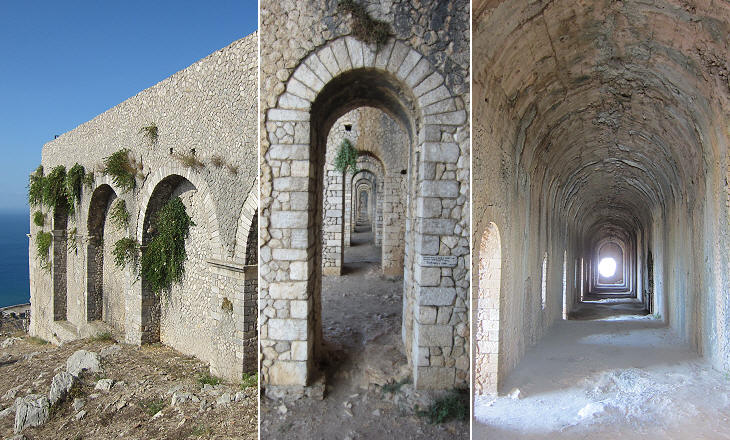
In England, we find the city of Tarring, now West Tarring, in West Sussex, which was founded by King Athelstan who is credited with starting Freemasonry in England. When the Normans conquered the country, they took over the governorship and this is reflected in history as being given by the King to the archbishops of Canterbury in the 10th century. Another sister city to Tara, Crete is the coastal city of Tarifa, Spain, and the most famous of all is the ancient city of Rome once called Tarentum and today is known as Terracina, Italy, which is said to have been built by colonists from Crete to name a few.
Early Greek tradition relates that when Taras was shipwrecked, his father rescued him by sending a dolphin which he rode to traverse the sea from the promontory of Taenarum to the south of Italy. Brought ashore, Taras founded Tarentum which was named in his honor. According to Pausanias, he was worshiped as a hero who named both the city and the river, Taras after himself.
“The town of Tarentum consisted of two parts, viz.: a peninsula or island at the entrance of the harbor, and a town on the mainland, which was connected with the island by means of a bridge. On the northwest corner of the island, close to the entrance of the harbor, was the citadel: the principal part of the town was situated southwest of the isthmus.
The modern town is confined to the island or peninsula on which the citadel stood. The neighborhood of Tarentum produced the best wool in all of Italy and was also celebrated for its excellent wine, figs, pears, and other fruits. Its purple dye was also much valued in antiquity.”
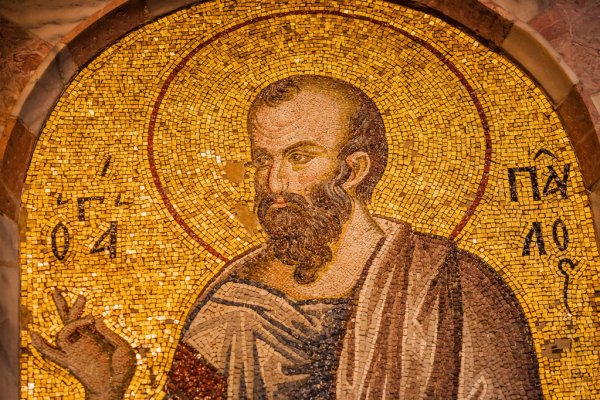
The modern name of Tara I have also found is associated with the Biblical Tarsus, which is famously associated as the native place of the Apostle Paul (Acts 22:3) who is also known as Saul of Tarsus, which he claimed was “a citizen of no mean city” (Acts 9:11; Acts 21:39). It stood on the banks of the river Cydnus, about 6-10 miles north of the Mediterranean. Like Tara, it was distinguished for the culture of Greek literature and philosophy, so it was considered the rival of Athens and Alexandria.
Tara may also be associated with the coastal village of Aghios Pavlos (“Saint Paul”) in whose name a small church was built there (first in Byzantine times, then restored in the 1960s), which is a natural port near the southernmost point of Crete south of Rethymnon city, west of Agia Galini, and very close to the tip of Cape Melissa. Some Biblical scholars state that Apostle Paul, landed at the harbor so-called Fair Havens here to preach the Christian faith in Crete.
This makes perfect sense given the fact that Aghios Pavlos has one of the most sheltered bays on the coast with some of the most beautiful green and deep waters you have ever seen. The harbor and beaches here are also well-hidden and peaceful, where just above the pristine beach, you can witness for yourself the small old church of Saint Paul. The beach here has fine dark-colored pebbles with crystal clear blue waters. This area is specially protected from the winds by the high mountainous massive on the west and the north.
During this time of Pompey (67 BC), Tarsus was made the capital over the Roman province of Cilicia, and who we know now as the Jews began to receive Roman citizenship. Antony, who controlled the eastern provinces, declared the city free in 42 BC. Tarsus continued to receive special privileges under Augustus, who exempted the city from imperial taxation because Athenodorus, his teacher and friend, was a Tarsian. Tarsus grew into a cultural and intellectual center. Stoic philosophers like Athenodorus, Zeno, Antipater, and Nestor lived in the city in the 1st century AD.
The gate of Cleopatra, also called the “Sea Gate,” still stands today, but poorly restored and in Turkey like many of Crete’s old stones. Legend has it that Cleopatra sailed up the Cydnus river disguised as Aphrodite and came through this famous gate in 41 BC on her way to meet Mark Antony. Saint Paul had witnessed this event.
You will often find the name Tarsus associated with another name for Crete which is Cappadocia. These various name changes were done I believe to conceal the history and identity of the island from its descendants who were more often than not a serious political problem for whomever ruler ruled the region.
It was said that Julius Caesar passed through the city in 47 B.C. on his march from Egypt to Pontus, and was enthusiastically received. Later with the assignment of the East to Antony’s administration, Tarsus received the position of an independent and duty-free state (civitas libera et immunis) and became for some time Antony’s place of residence. This privileged status was confirmed by Pompey, Caesar, Antony and Augustus granted that honor for themselves and, as a consequence, for their descendants.
In reward for its exertions and sacrifices during the civil wars of Rome, Tarsus was made a free city of Augustus.
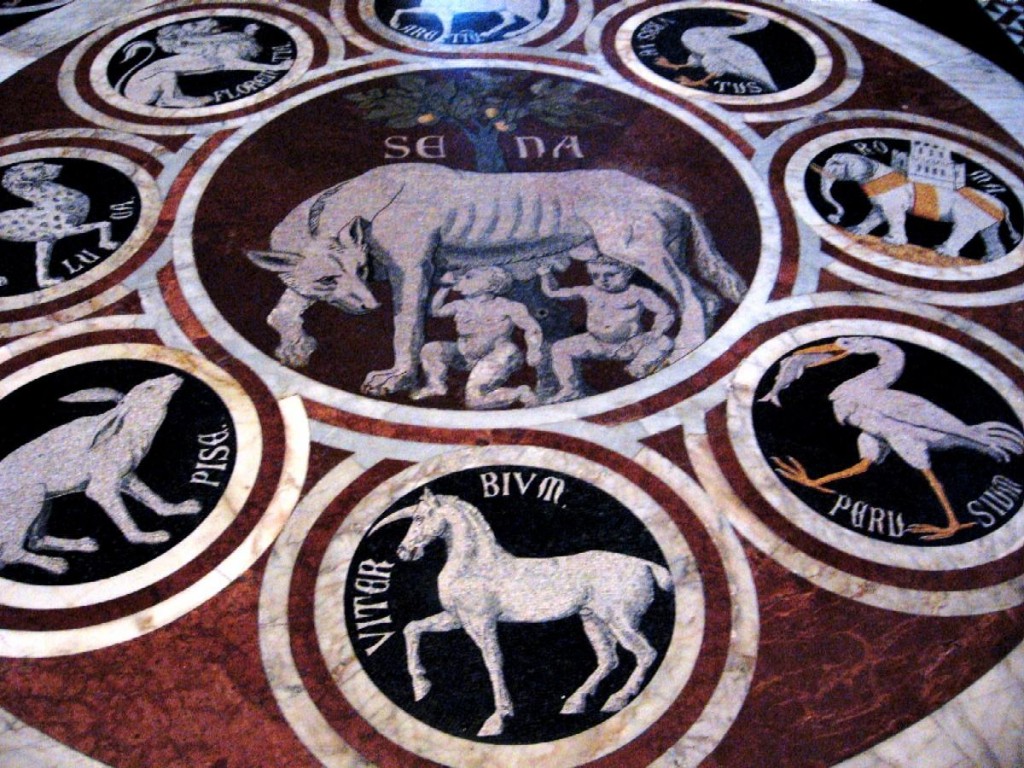
the biblical name, Ataroth, one of the stations on the southern frontier of the tribe of Ephraim, close to the territory of the tribe of Benjamin ( Josh . xvi . 5 , 7 ; xviii . 13 ; and xxi . 18 ). Their emblem is the wolf who according to ancient Roman mythology, a she-wolf was responsible for helping rear up the founders of Rome, Romulus, and Remus which is symbolized with the Capitoline Wolf (Italian: Lupa Capitolina), which is the main symbol of Rome.
In the 7th century A.D., the Muslims conquered the island of Crete forcing the Byzantine rulers and Cretan natives to flee and in the 17 century, it fell again, this time into the hands of the Turks.
Finally, it was from the ancient shores of Tara/Tarsus that we know of today as Agia Roumeli that the Greek Government with King George left for Egypt in May 1941, after the fall of Crete to the Germans.
Moe is the founder of GnosticWarrior.com. He is a father, husband, author, martial arts black belt, and an expert in Gnosticism, the occult, and esotericism.
In the Scripture, there is a peculiar black building substance called “slime, Bible Slime or Bitumen,” used for the “mortar for stone and concrete bricks” to build the “Tower of Babel” in ancient Babylonia. It was also paramount in Ancient Egypt to construct the Great Pyramids of Egypt and preserve mummies. Many millennia later, with the coming of Islam, Muslim physicians began to prescribe it for skin ailments and wounds.
This same product that we know today is fossil fuels are also variously translated in the Bible as “bible slime, bitumen, naphta, pitch, tar, asphaltos,” and you will discover is associated with the concept of Tartarus (Tartaros) or Hell, sinning angels and what are called “pits of darkness, to be reserved for judgment.”
For example, we find that this Bible Slime or Bitumen was made in “tar or slime pits” and sometimes the “Lake of Sodom” in Sodom and Gomorrah and later the Dead Sea. In this slime, people are stuck in a type of darkness where they cannot see the light and are referred to as slugs. We read in Psalms,” Like a slug that moves along in slime, like a woman’s miscarried child, they will not see the sun.” (Psalm 116:3)
Due to its ability to “bind and waterproof” various materials, it quickly became one of the most prized and lucrative commercial industries in all the Mediterranean and now the world to this very day. Today, we know of Bible Slime or Bitumen used in its various forms as “asphalt and fossil fuels” for petroleum-like products such as oil and gas, which account for the largest share of energy production and consumption and global pollution.
Spiritually speaking, darkness and light are references to conscious people (awake, enlightened, or woke) and asleep (sleepwalking, unenlightened, zombie, sheople). Let me remind you that when snails are in the sun (light), they shrink, shrivel up, and no longer see the light so they disappear from their shells.
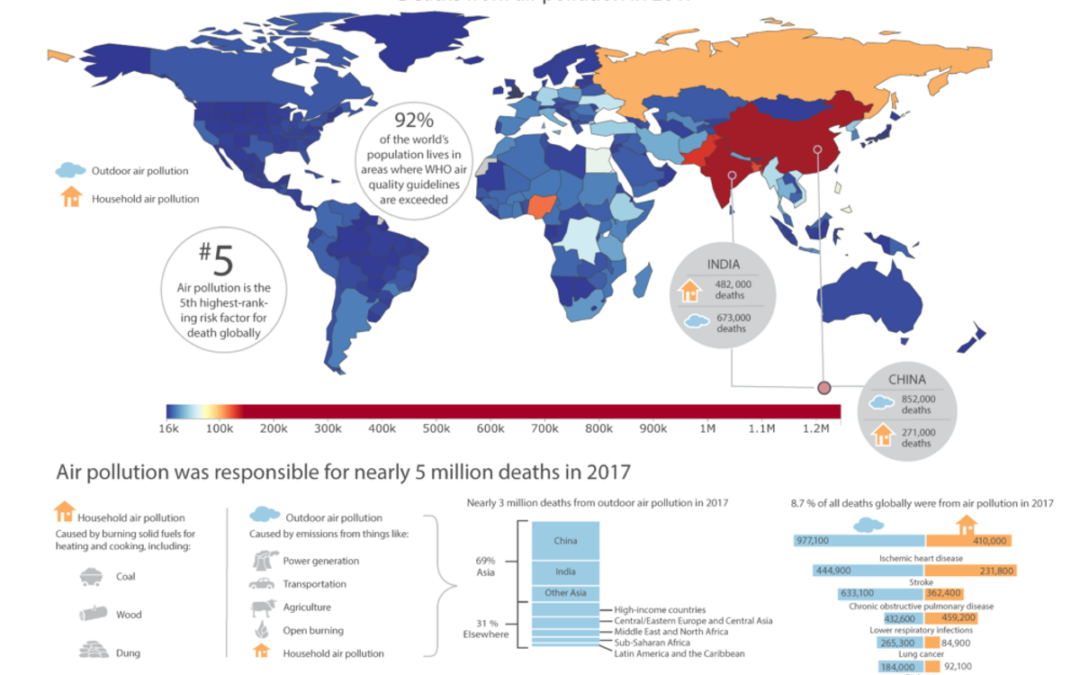
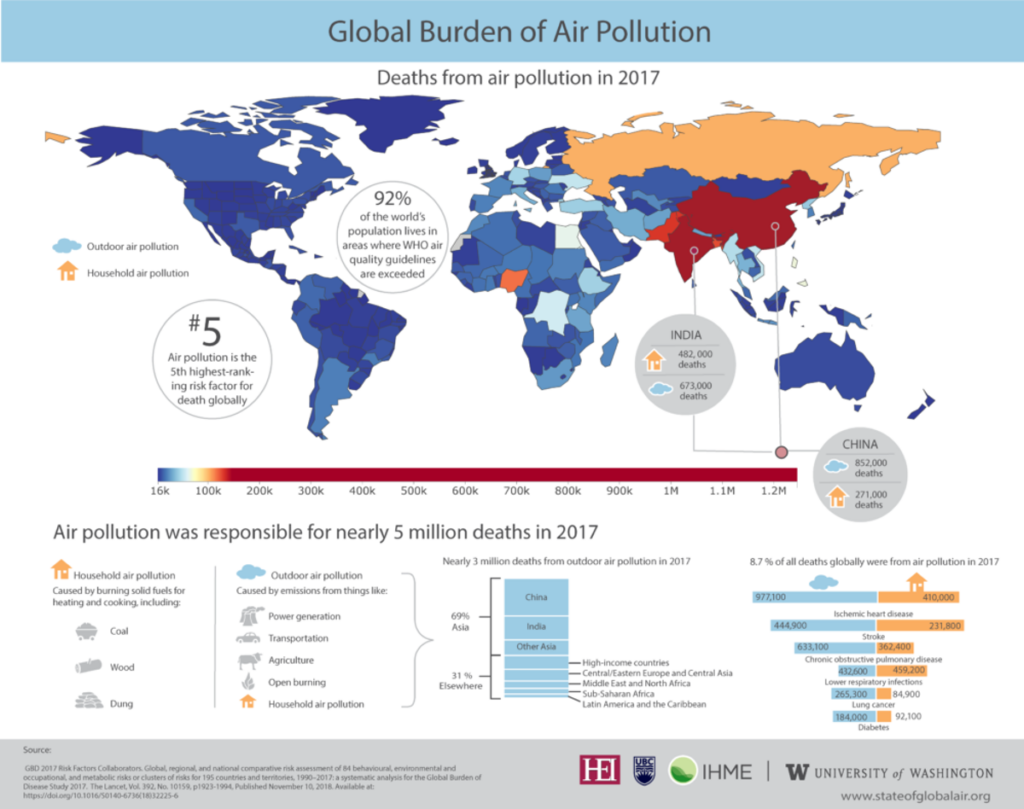
This Biblical reference to they will not see the sun reminds me of the fact that today when these fossil fuels are burned, carbon dioxide (CO2) is produced, which is a major contributor to local air pollution and is linked to millions of premature deaths each year and global climate change. In 2019, approximately 84% of global primary energy came from this decayed organic material ie, coal, oil, and gas.
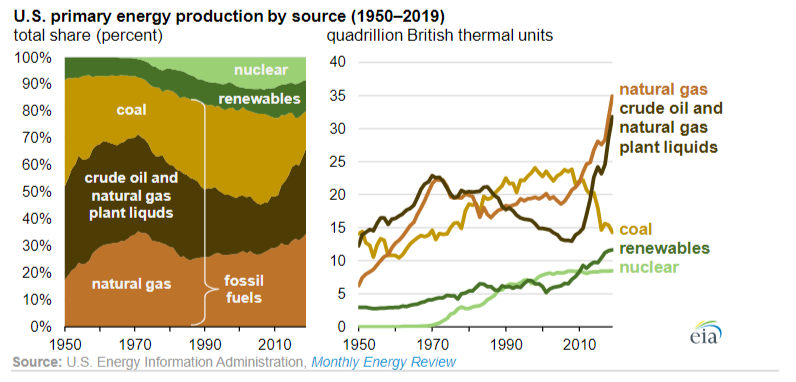
“Fossil fuels, or energy sources formed in the earth’s crust from decayed organic material, including petroleum, natural gas, and coal, continue to account for the largest share of energy production and consumption in the United States. In 2019, 80% of domestic energy production was from fossil fuels, and 80% of domestic energy consumption originated from fossil fuels.”
The word slime is translated in the Bible as “temer, temes, or tamas” meaning dark or darkness, to hide, or cover-up,and the Hebrew macah and masah, which means “decay, consume, to melt, liquefaction, i.e. disappearance.” The word slime is also variously translated as “bitumen” in the Latin Vulgate and from bitumen as “chomer” in the Hebrew Bible.
I believe all words originally represented what we would call today “molds in English or fungi in Latin,” which I will clearly explain and prove in this article.
Before we look more into the Scripture, we must study etymology and the ancient definitions given to us by historians who have gone before us. For example, when we look at Herodotus’s explanation, he tells us that bitumen is “the product of the decomposition of vegetable and animal substances.“
Herodotus had written;
“Bitumen is the product of the decomposition of vegetable and animal substances. It is usually found of a black or brownish-black color, externally not unlike coal, but it varies in consistency from a bright, pitchy condition, with a conchoidal fracture, to thick, viscid masses of mineral tar.” (Encyc. Brit.)
Herodotus’s reference clearly shows us that this “slime of bitumen” is a product of the decomposition of both vegetables and animals. When we look to modern science for the definition of decomposition, we see that it means “the state or process of rotting; decay of organic waste.”
The principal microorganisms involved in the decomposition and rotting process on earth are fungi/molds.
Their main job on earth is to decompose organic matter by releasing enzymes to break down the decaying material. Fungi/molds absorb the nutrients in the decaying material via their hyphae which is used to break down matter and absorb nutrients then will create the very black, brownish tar-like substance as described by Herodotus.
In addition to these facts, if we look at the explanations given to us by Pliny, he says;
“Near to the nature of sulfur is also that of bitumen.
In some places, it is a slime, and others earth, the slime being emitted, as we have said, from the lake of Judaea and the earth being found in the neighborhood of the seaside town of Sidon in Syria.
Both of these varieties get thickened and solidify into a dense consistency. But there is also a liquid sort of bitumen, such as Zacynthus and the kind imported from Babylon; at the latter place, it also occurs with a white color. The Bitumen from Apollonia also is liquid, and all of these varieties are called by the Greeks pissasphalt, from its likeness to vegetable-pitch and bitumen.
There is also an unctuous bitumen, of the consistency of oil, found in Sicily, in spring at Girgenti, the stream from which it is tainted. The inhabitants collect it on tufts of reeds, as it very quickly adheres to them, and they use it instead of oil for burning in lamps, and also as a cure for scab in beasts of burden. Some authorities also include among the varieties of bitumen naphtha about which we spoke in Book II, but its burning property and liability to ignition is far removed from any practical use.”
Pliny further writes, “The test of bitumen is that it should be extremely brilliant and that it should be massive, with an oppressive smell; when quite black, its brilliance is moderate, as it is commonly adulterated with vegetable pitch. Its medical effect is that of sulfur, as it is astringent, dispersive, contractive, and agglutinating. Ignited it drives away snakes.”
When we look to modern science, we will discover that sulfur plays a key role in the world of fungi/molds. For example, studies have shown that fungal sulfur uptake is required to incorporate into the sidechains of various amino acids and is also essential for biosynthesis. In addition, in certain filamentous fungi, sulfur is also indirectly required for different metabolite functionalities.
Interestingly, fungi/molds such as Fusarium oxysporum reduce elemental sulfur to hydrogen sulfide (H2S), which creates a reaction accompanied by fungal growth and oxidation of the carbon source (ethanol) to acetate. Ethyl acetate is highly flammable, as well as toxic when ingestion or inhaled, and this chemical can be seriously damaging to internal organs,
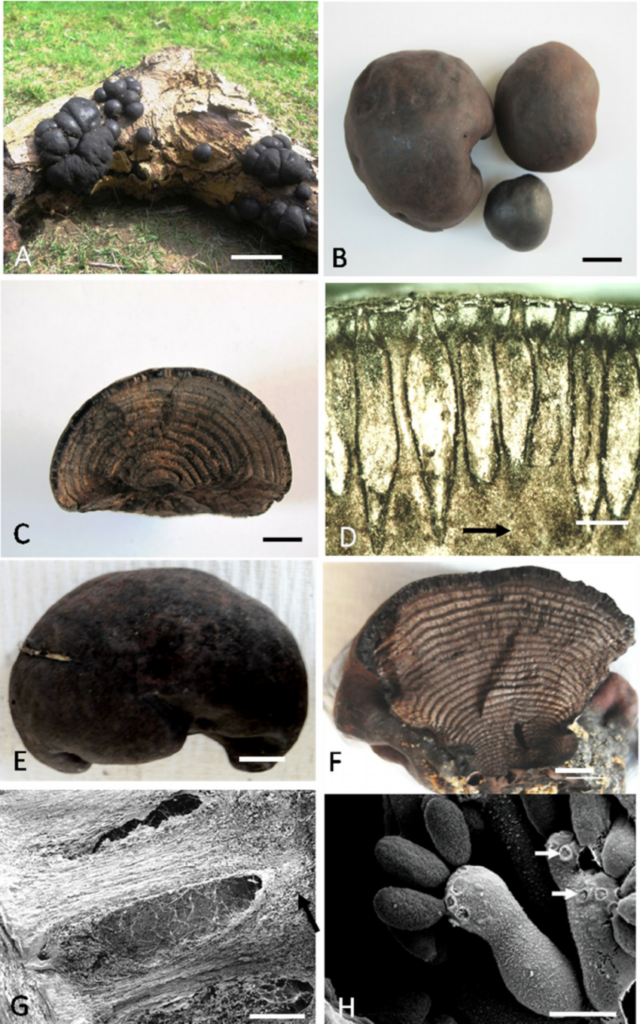
This now brings us to an infamous fungus that is an inedible named Daldinia concentrica is also known as coal fungus and carbon balls due to its ability to burn.
Daldinia concentrica lives on dead and decaying wood and is ball-shaped, with a hard, friable, shiny black fruiting body 2 to 7 centimeters wide that looks like a chunk of coal.
It is sometimes called “bituminous coal” in which the spores of the fungus (tips of the threads) act as fuel and release a putrid type smell that can drive away pests, snakes, and anyone for that matter.
A fungus that is one of the most useful forms of tinder for fire-lighting in the world, just like Pliny described and still carries the name bitumen.
Bible Slime is first spoken of as used for slime that was later changed to cement by the builders in the plain of Shinar or Babylonia. (Genesis 11:3) The bitumen pits in the vale of Siddim are mentioned in the ancient fragment of Canaanitish history (Genesis 14:10). The ark of papyrus in which Moses was placed was made impervious to water by a coating of bitumen and pitch. (Exodus 2:3)
The word “slime” occurs in the following passages: “And they had brick for stone, and slime had they for mortar” (Genesis 11:3); “Now the vale of Siddim was full of slime pits” (Genesis 14:10, margin “bitumen pits”); “She took for him an ark of bulrushes, and daubed it with slime and with pitch” (Exodus 2:3). “The vale of Siddim was full of slime pits” (Genesis 14:10); “the pit of destruction” (Psalm 55:23).
Flavius Josephus, in the Antiquities of the Jews, had written a descriptive passage about the Dead Sea (known in Latin as Lacus Asphaltitus, or “Asphalt Lake”) and the harvesting of bitumen. He identifies the Dead Sea in geographic proximity to the ancient biblical city of Sodom and refers to the lake by its Greek name, Asphaltites.
Josephus mentions people using bitumen chiefly as amulets and during the siege of Jerusalem in the year 70 CE, the tunnels under the city were set fire with bitumen, which collapsed with the Roman siege engines falling into the crevices. In the building of the tower of Babylon, Josephus claims that it was used as a mortar for waterproofing. He writes, “Its thickness dwarfed its apparent height, and it was made from baked bricks cemented with bitumen to prevent them from being washed away.”
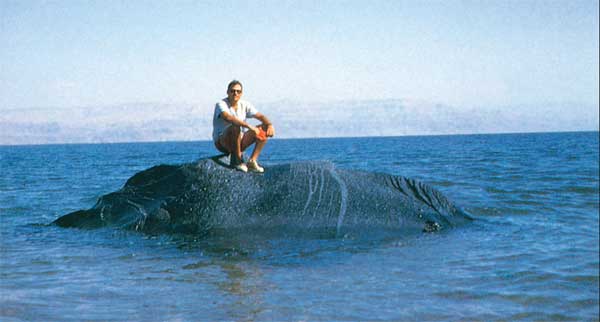
Here is an image from 1969 showing a man sitting on a large car size chunk of bitumen in the Dead Sea.
Several other Biblical passages give us context as to what these slime and bitumen pits genuinely mean.
These passages align with Herodotus’s statement that “slime of bitumen” is a product of decomposition of both vegetables and animals, which I contend we would call “fungi or molds.” The pits would have been a type of special “burial ground or grave yeard” that I theorize was how our ancestors sought to control or manage the spirit world of our departed ancestors.
For example, going back to the Hebrew Scriptures of the Old Testament, we find the word “chomer” is another word used interchangeably for Bible Slime, bitumen, of earth, a bubbling up, mortar, clay, dust, ashes, heap, and or mire.
These definitions, I contend, are clues to its original meaning like we have discovered with bible slime and bitumen. Some obvious passages from the Scripture with the word chomer as the mortar or the fungal filaments enveloping modern humanity would align with my fungi/molds controlling sinners theory are;
Genesis 11:3: “for stone, and slime had they for chomer (mortar).”
Exodus 1:14: “bitter with hard bondage, in chomer (mortar), and in brick, and in all manner of service in the field:”
Exodus 8:14: “And they gathered them together upon chomer (heaps): and the land stank.”
Exodus 8:14: “And they gathered them together upon heaps: upon heaps: and the land stank.”
Leviticus 27:16: “then thy estimation shall be according to the seed thereof: a homer of barley seed shall be valued at fifty”
Numbers 11:32: “he that gathered least ten homers: and they spread them all abroad for themselves round about the camp.”
Job 4:19: “How much less in them that dwell in houses of clay, whose foundation is in the dust, which are crushed”
Job 10:9: “I beseech thee, that thou hast made me as the clay; and wilt thou bring me into dust again?”
Job 13:12: “unto ashes, your bodies to bodies of clay.”
Job 27:16: “as the dust, and prepare raiment as the clay;”
Job 30:19: “He hath cast me into the mire, and I am become like dust and ashes.”
Job 33:6: “stead: I also am formed out of the clay. out of the clay.”
When we read Job 13:12, we find more clues to break the code in Hebrew words like epher and âphâr, which are used interchangeably for mortar, ashes, clay, bible slime, bitumen, etc., which again, I contend is what we would call today molds and fungi. In Job 13:12, it says,
We read in Genesis 37:20, “Come now, therefore, and let’s kill him, and cast him into one of the pits, and we will say,’ An evil animal has devoured him.’ We will see what will become of his dreams.”
Suppose we are to take Herodotus’s testimony of the meaning of bitumen as one of the earliest and best authorities on this matter. In that case, we will conclude that these slime pits were “fungi/molds pits” where animals, humans, and vegetable matter” were quickly decomposed.
The Persian and Arab name of bitumen is mum or mumia and where we get the word mummy. This word was used after they had observed the dark-colored or black mummified bodies of the Egyptians, which led them to believe that the substance was bitumen known to them as mum.
Diodorus Siculus writing in the first century BC, and Pliny, in the first century AD, mention bitumen when writing about the Dead Sea and how it was one of the most lucrative products. Siculus claimed that the Nabateans controlled the Dead Sea bitumen industry ( mentioned in Gen. 14:10 ) in the Greco-roman period and sold it to Egypt to embalming mummies, making them incredibly powerful.
As I have explained in previous articles related to the Scripture, this area is also known as Idumea and now Judea in the Bible. When under Moses and Joshua, the Idumeans were confined to the east and south of the Dead Sea in the time of Jesus Christ. This is the same place where the Nabateans were and where the Dead Sea Scrolls were found.
The Bible Slime or fossil fuels harvested from the sea or ocean are from decayed organic matter in the marine sediment that accounts for 86%https://core.ac.uk/download/pdf/5212176.pdf of the world’s petroleum.
Mumia and where we get the word mummy and the Arabic term for the Dead Sea is “Baḥr Lūṭ” and more appropriately, “al-buḥaira al-muntina”, which means “the stinking Sea”, al-buḥaira al-maḳlūba “the overturned Sea” (because at al-arḍ al-maḳlūba, “the land that has been overturned”, the arḍ ḳawm Lūṭ is placed).
The “stinking sea” and the “overturned sea” would align with the oldest description we have from Herodotus that these pits were made of decomposing matter of which Church Doctors doctored the Scripture to reflect Bible Slime and also my modern scientific explanation of “fungus/mold pits that served as graveyards,” AKA the Dead Sea or Bitumen Pits. The very place where humans were decomposed by being bitten and eaten by the ‘slime,’ ie: fungi/molds that decomposed their bodies and caused a horrific stinking smell of rotting corpses that the Arabs called “al-buḥaira al-muntina.”
A study from 2012 had shown the waters of the Dead Sea currently contain several species of microorganisms, such as fungi/molds, which trigger the development of microbial blooms. The researchers isolated at least 70 species of microorganisms from various locations around the Dead Seas, both onshore and nearshore, including from deep waters.
The microorganisms most often recovered were the fungi, Aspergillus and Eurotium.
The researchers concluded, “there is no direct proof that fungi contribute to the heterotrophic activity in the Dead Sea, but fungi may be present at least locally and temporarily, and their enzymatic activities such as amylase, protease, and cellulase may play a role in the lake’s ecosystem.“
This makes much more logical sense than the false interpretations we have now, which incorrectly lists the meaning of bitumen pits, and Bible Slime was a type of asphalt or concrete mortar. My theory is that the molds/fungi act as a type of “global mortar” or what we can just call “Black matter, or as I state in my previous article, Dark Matter: Surfing the light of cosmic filaments into space and beyond.
An interstellar “mycelium network or internet” that I theorize connects us, humans, animals, insects, the earth, and to space and beyond to one another via specific fungal organisms that can be either beneficial (symbiotic) or detrimental (parasitical).
Parasitical when we use this Bible Slim/Bitumen from this decayed organic material ie coal, oil and gas amongst other ills that are covering the skies with air pollution so we do not see the sun and linked to millions of premature deaths each year of people who will never see the light of day again.
Moe is the founder of GnosticWarrior.com. He is a father, husband, author, martial arts black belt, and an expert in Gnosticism, the occult, and esotericism.
Francis Bacon was a student of nature and philosophy whose teachings have made him one of the Fathers of Modern Science. He had written about what he called two imperfect plants being, “moss and next to it, Mushrooms.”
Today we would know of moss as molds or fungi and its fruiting body is still called a ‘Mushroom.’
Next unto moss, I will speak of mushrooms; which are likewise an imperfect plant.
The mushrooms have two strange properties; the one, that they yield so delicious a meat; the other, that they come up so hastily, as in a night; and yet they are unsown.
And therefore such as are upstarts in state, they call in reproach mushrooms.
It must needs be, therefore, that they be made of much moisture; and that moisture fat, gross, and yet somewhat concocted.
And, indeed, we find that mushrooms cause the accident which we call incubus, or the mare in the stomach.
And therefore the surfeit of them may suffocate and poison.
And this sheweth that they are windy; and that windiness is gross and swelling, not sharp or griping. And upon the same reason mushrooms are a venereous meat.
According to Bacon, older plants grow more moss because their vigor is diminished:
“Old trees are more mossy far than young; for that the sap is not so frank as to rise all to the boughs, but tireth by the way and put out moss.”
The signs of moss are linked to stagnation, the diminished vitality of the tree results in the exteriorization of sap from the interior portion of tree.
Like Bacon, St. Hildegard similarly writes in her Physica: “When trees grow old, they begin to lose their inner greenness (viriditas), and if they are not young, they send the greenness and health, which they ought to have inside, to the exterior bark.”
As I explained in my article, Demons Who Feed On Human Energy, according to Paracelsus, the incubus and succubus (which are male and female respectively) are parasitical creatures subsisting upon the evil thoughts and emotions of the astral body.
These terms are also applied to the superphysical organisms of sorcerers and black magicians.
While these larvæ are in no sense imaginary beings, they are, nevertheless, the offspring of the imagination.
By the ancient sages, they were recognized as the invisible cause of vice because they hover in the ethers surrounding the morally weak, and continually incite them to excesses of a degrading nature.
Frantz Hartman had said, “Incubus and Succubus – Male and female parasites growing out of the astral elements of man or woman in consequence of a lewd imagination.”
Manly P. Hall had said they are sometimes referred to as in Latin, Incubus and Succubus, and in English, it is named the “Mare.”
Moe is the founder of GnosticWarrior.com. He is a father, husband, author, martial arts black belt, and an expert in Gnosticism, the occult, and esotericism.