Lost Ancient City of the Monkey God Discovered in the Honduran Rain Forest

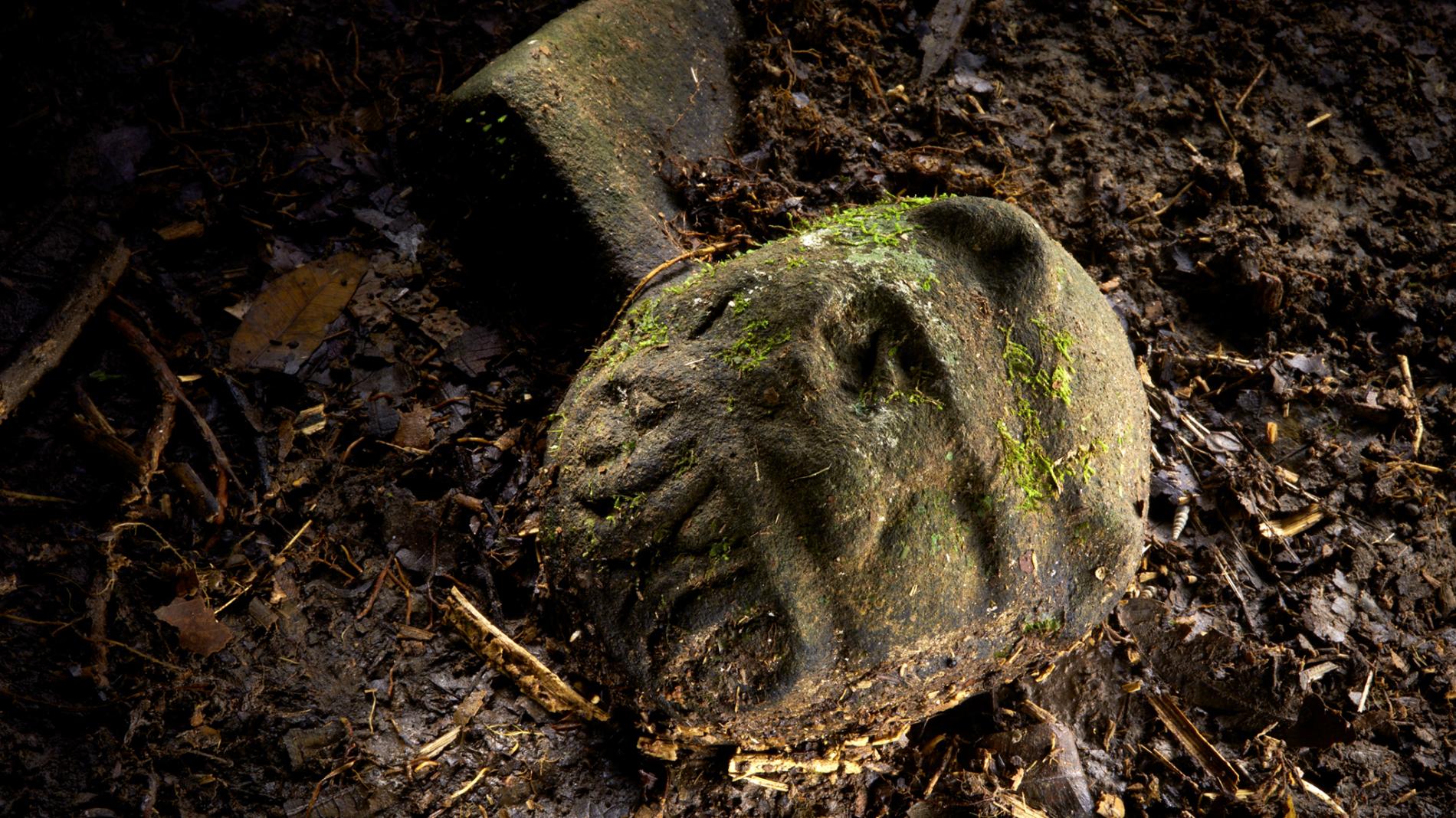
Archaeologists have discovered an ancient lost city hidden deep within the Honduran Rain Forest. Lost city of monkey godThe team of experts were led to the site in search of the fabled “White City,” also known as the “City of the Monkey God.”

The mysterious lost city has never before been explored until now, according to a story first reported on NationalGeographic.com.

Experts say the lost city has extensive plazas, earthworks, mounds, and even a pyramid belonging to a culture which had lived thousand years ago. They also found various stone sculptures that appear to be untouched since the city was abandoned. (more…)

5th Century Celtic Prince Burial Site Discovered in France

Archaeologists in France have discovered an ancient Celtic burial ground from around the 5th Celtic artifact francecentury with a skeleton buried alongside a chariot, a long bronze sword found in its sheath, and magnificent Greek and possibly Etruscan artifacts.
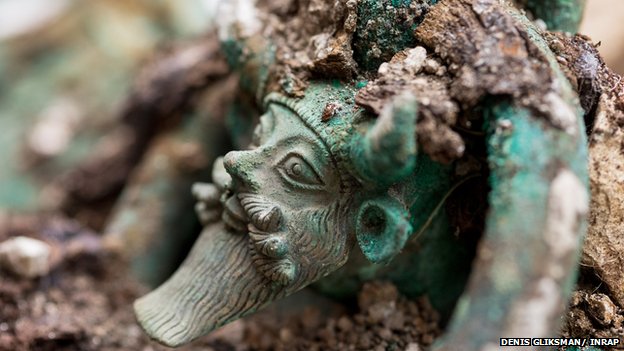
Experts are not entirely certain of the gender of the 2,500 year old remains, but they believe it is an ancient Celtic prince because of the items that were found at the site.

They say he died in Lavau, near Troyes.

Here is what France’s national archaeological dig institute had written:

In the center of a tumulus 40 m in diameter, the deceased and his chariot lie at the heart of a vast burial chamber of 14 m², one of the largest recorded by archaeologists for this time of the end of the early Iron Age ( Hallstatt). Under the collapse of the tumulus levels, the tomb contains funerary deposits worthy of the highest wealth Hallstatt elites.

Arranged at an angle, the most ostentatious objects consist of pools, a cist (bucket) bronze with a thin ceramic fluted décor, a knife in its sheath. The centerpiece of the funeral filing room is a bronze cauldron, about 1 m in diameter.

Four circular handles are adorned with heads Acheloos Greek river god here represented horned, bearded, with bull ears and a triple mustache. The edge of the pot is decorated with eight heads of lions. The work is Greek or Etruscan. Inside the pot rests a ceramic oinochoe Attic black-figure Dionysus lying under a vine faces a female character. It would be a banquet scene, a recurring theme in Greek iconography. The lip and the foot of the pitcher are set with a gold plate, highlighted a watermark meandering decor. It is the northernmost to date. This service Greco-Italic original drink reflects the banquet practical Celtic aristocratic elites.

Celtic principalities and Etruscan and Greek city-states

The late sixth century and the beginning of the fifth century BC are marked by the development of the economic activity of Etruscan and Greek city-states of the West, especially Marseille. In search of slaves, metals and precious goods (including amber ), the Mediterranean traders come into contact with the continental Celtic communities.

Those mastering natural means of communication , especially in the area of ​​the interfluve Loire- Seine- Saône- Rhine-Danube , benefit from this traffic and have their elites acquire many goods of prestige which the most notable are found buried in monumental tombs tumulary – La Heuneburg Hochdorf and Germany, for example , in Bourges, Vix and now Lavau .

Watch a Worm Squirm Across a Man’s Brain

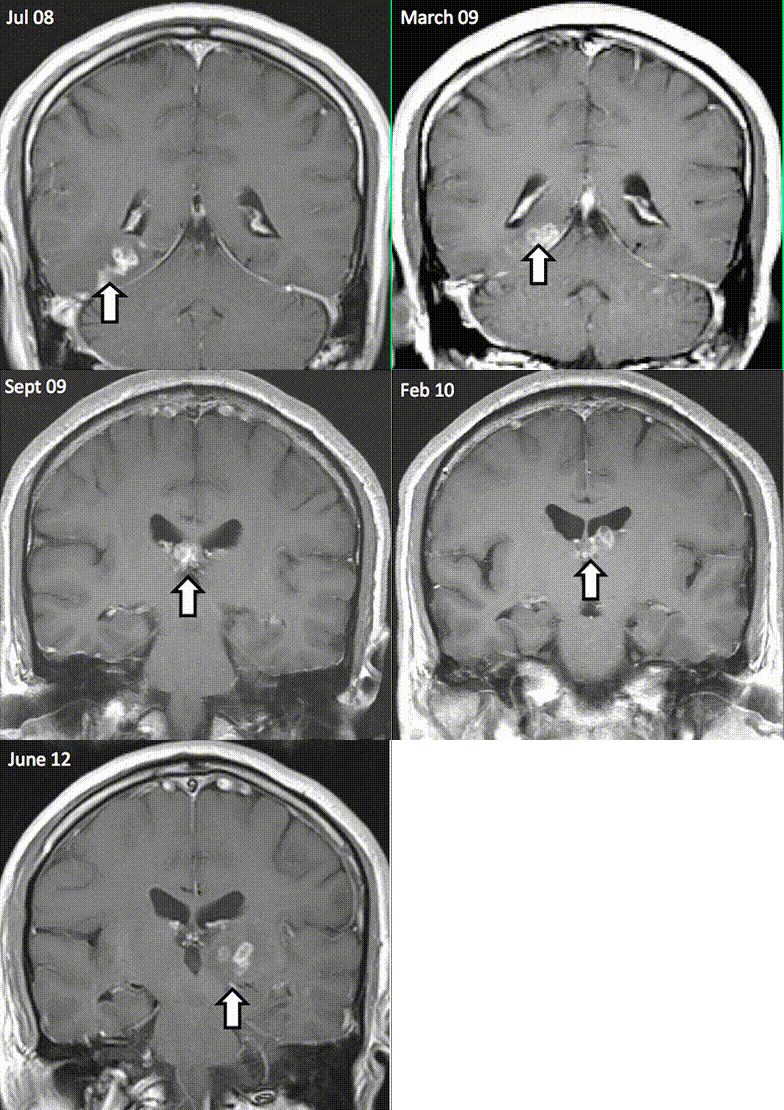
All insects, animals, and mammals such as humans are infested with many different kinds of Worm - In mans headworms which today we call parasites. Many life forms on earth can live symbiotically with these parasites, but sometimes they can also become sick with illness and even almost die from these worms as in the case of  a 50-year-old Chinese man who was admitted to a UK hospital complaining of headaches, seizures, an altered sense of smell and memory flashbacks.

His doctors didn’t know what was wrong so they ordered various tests that came out negative. They then did an MRI scan showing that he had an abnormal region in the right side of his brain, showing inflammation, but no tumour. (more…)

Twinkle, twinkle little worm star. How I wonder what you are!

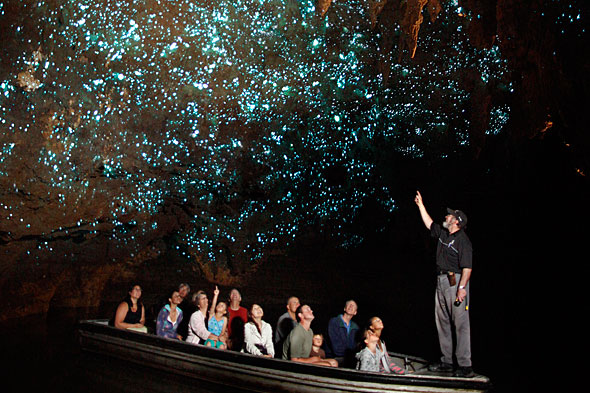
Twinkle, twinkle, little star worm, / How I wonder what you are! / Up above the world so high, / Worms - Waitomo cavesLike a diamond in the sky.

These shiny lights in the sky look just like bright stars twinkling in the night, but they are actually bioluminescent glow worms (Arachnocampa luminosa) hanging from the walls of a cave in New Zealand. These bright worms are larvae and adult larviform females that are about the size of a small mosquito.

Luciferian Worms

The glow is the result of a chemical reaction that involves luciferin, the substrate; luciferase, the enzyme that acts upon luciferin; adenosine triphosphate, the energy molecule; and oxygen. It occurs in modified excretory organs known as Malpighian tubules in the abdomen. Luciferin (from the Latin lucifer, “light-bringer”) is a generic term for the light-emitting compound found in organisms that generate bioluminescence. (Wikipedia)

(more…)

2015 is the Year of the Goat (Ram)

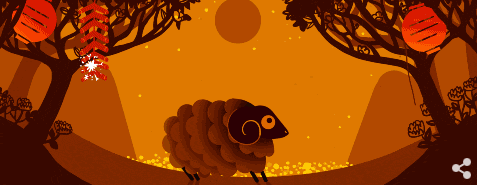
I thought it was pretty cool that today Google had honored the Year of the Goat (or Year of the year of the goatRam) with a Google Doodle featuring an animated ram and fireworks display. The Year of the Goat follows the Chinese lunar calendar which officially starts today on February 19, 2015. (more…)

The Science of the Brain’s Third Eye Computer Chip of Enlightenment

In my last two articles called ‘The Third Eye‘, and ‘Open Your Third Eye to Walk Like an Ancient Hippocampus third eyeEgyptian‘, I had shared with you my research on the history and science behind our true third eye which I explained is known by the scientific name of the hippocampus or ammon’s horn. This is the place in our brains that modern scientists have determined where we process all new and old memories. It has also been found to be what we can call the place of intuition where we intuitively process our thoughts through our blood, then into our brain as a GPS system for the soul. (more…)